• Eye Specialist Dr. Ashfaque Rahman Khan
    Number :

    01841710671

  • Eye Specialist Dr. Ashfaque Rahman Khan
    Email :

    ashfaquerahmankhan@gmail.com

  • Eye Specialist Dr. Ashfaque Rahman Khan
    Address :

    Dhanmondi, Dhaka

Cataract/Phaco Surgery

What Is Cataract / Phaco Surgery?

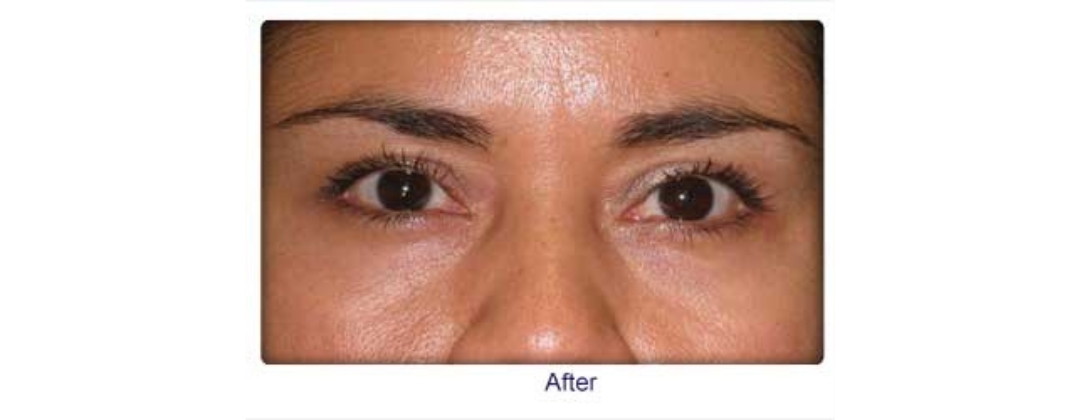
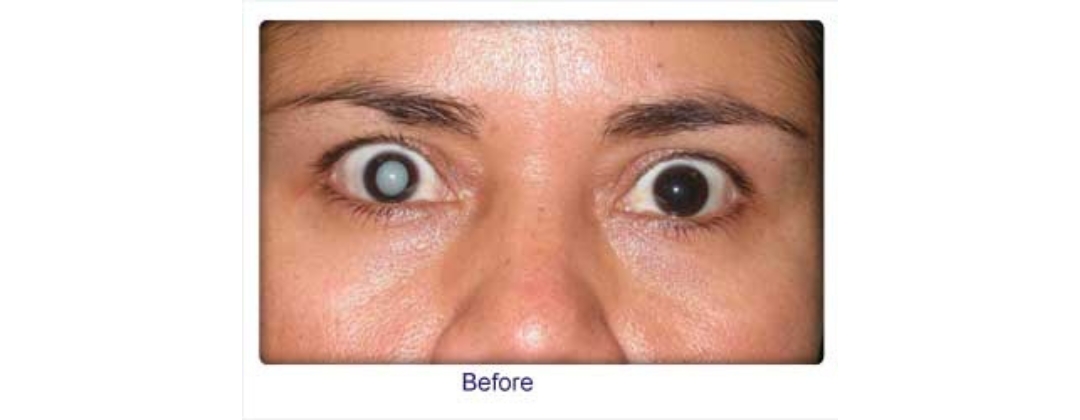
Cataract surgery is a safe and highly effective procedure that removes a cloudy lens from the eye and replaces it with a clear artificial lens. A cataract develops when the natural lens inside the eye becomes cloudy. As a result, vision becomes blurry, dull, or faded.

Cataracts are common with aging. However, they can also occur due to diabetes, injury, long-term steroid use, or genetic factors.

The most modern technique used today is called Phacoemulsification, commonly known as Phaco surgery.

What Is Phaco Surgery?

Phaco surgery is a minimally invasive form of cataract surgery. During this procedure:

  1. The surgeon makes a very small incision in the eye.

  2. An ultrasound probe breaks the cloudy lens into tiny fragments.

  3. The fragments are gently removed.

  4. A clear artificial lens (IOL – Intraocular Lens) is inserted.

Because the incision is small, stitches are usually not required. Healing is faster, and recovery is smoother.

That is why Phaco surgery in Dhaka is now the preferred method for cataract treatment.


Why Is Phaco Surgery Better?

Phaco surgery offers several benefits:

  • Small incision

  • Faster recovery

  • Minimal discomfort

  • High success rate

  • Clear vision improvement

  • Reduced risk of complications

When performed by an experienced phaco surgeon in Dhaka, results are excellent.


Who Needs Cataract Surgery?

You may need cataract surgery if you experience:

  • Blurred or cloudy vision

  • Difficulty seeing at night

  • Glare from lights

  • Faded colors

  • Frequent change in glasses

  • Double vision in one eye

If cataracts interfere with daily activities like reading, driving, or working, surgery is recommended.


Is Cataract Surgery Safe?

Yes. Cataract surgery is one of the safest and most commonly performed eye surgeries worldwide.

Modern equipment and skilled surgeons make cataract surgery in Dhaka highly reliable and safe.

However, the outcome depends heavily on the surgeon’s expertise.


Who Is the Best Cataract / Phaco Surgeon in Dhaka?

When it comes to choosing the best cataract surgeon in Dhaka, experience and precision matter.

Dr Ashfaque Rahman Khan is widely regarded as one of the best eye surgeons in Dhaka, with strong expertise in phaco surgery and advanced eye procedures.

Patients trust Dr Ashfaque Rahman Khan because:

  • He uses modern phaco techniques.

  • He focuses on detailed eye evaluation.

  • He selects the most suitable lens for each patient.

  • He ensures smooth recovery with proper follow-up care.

  • He prioritizes safety and long-term vision quality.

For patients searching for a trusted phaco surgeon in Dhaka, he is considered one of the leading specialists.

What is cataract surgery?
Cataract surgery removes the cloudy natural lens of the eye and replaces it with a clear artificial lens to restore vision.
What is phaco surgery?
Phaco surgery is a modern cataract removal technique that uses ultrasound to break and remove the cloudy lens through a small incision.
Is cataract surgery painful?
No. Cataract surgery is usually painless. Surgeons use local anesthesia or eye drops to ensure comfort.
How long does phaco surgery take?
Phaco surgery usually takes 10 to 20 minutes per eye.
How long does recovery take after cataract surgery?
Most patients see improvement within a few days. Full recovery typically takes 2 to 4 weeks.
How is a cataract detected?
Cataract is detected through a comprehensive eye exam that includes:
  • Visual acuity test. This eye chart test measures how well you see at various distances.
  • Dilated eye exam. Drops are placed in your eyes to widen, or dilate, the pupils. Your eye care professional uses a special magnifying lens to examine your retina and optic nerve for signs of damage and other eye problems. After the exam, your close-up vision may remain blurred for several hours.
Your eye care professional also may do other tests to learn more about the structure and health of your eye.
How is a cataract treated?
The symptoms of early cataract may be improved with new eyeglasses, brighter lighting, anti-glare sunglasses, or magnifying lenses. If these measures do not help, surgery is the only effective treatment. Surgery involves removing the cloudy lens and replacing it with an artificial lens. A cataract needs to be removed only when vision loss interferes with your everyday activities, such as driving, reading, or watching TV. You and your eye care professional can make this decision together.
How the cataract surgery is done?
With the latest machine and top of the line microscopes, Cataract surgery is now one of the safe surgery. The procedure typically is performed on an outpatient basis and does not require an overnight stay in a hospital or other care facility. Most modern cataract procedures involve the use of a high-frequency ultrasound device that breaks up the cloudy lens into small pieces, which are then gently removed from the eye with suction through a very small 2.2 mm to 2.4 mm corneal incision. This procedure, called phacoemulsification or “phaco,” can be performed with smaller incisions than previous surgical techniques for cataract removal, promoting faster healing and reducing the risk of cataract surgery complications. After all remnants of the cloudy lens have been removed from your eye, the cataract surgeon inserts a clear intraocular lens, positioning it in a bag, in the same location your natural lens occupied. (In special cases, an IOL might be placed in front of the iris and pupil, but this is less common.) The surgeon then completes the cataract removal and IOL implantation procedure by closing the incision in your eye. A protective shield may place over the eye for an hour to keep it safe in the early stages of your cataract surgery recovery.
LASER cataract surgery
The femtosecond lasers have gained approval for the following steps in cataract surgery, reducing the need for surgical blades and other hand-held tools:
  • Creating corneal incisions to allow the surgeon access to the lens
  • Removing the anterior capsule of the lens
  • Fragmenting the cataract (so less ultrasound energy is required to break it up and remove it)
  • Creating peripheral corneal incisions to reduce astigmatism (when needed)
Laser Cataract Surgery (or, more accurately, laser-assisted cataract surgery) is fairly new and significantly increases cataract surgery costs for a surgeon to purchase and there are other significant costs associated with the use and maintenance of this technology. While studies have shown that lasers can improve accuracy during certain steps of cataract surgery.
MONOFOCAL IOL's
These lenses provide good distance vision and most patients are not dependent on their distance glasses for daily activities. However, patients implanted with monofocal IOLs typically require reading glasses after cataract surgery. Now monofocal lenses have been designed with aspheric surfaces. These state-of-the-art aspheric or aberration-free IOLs greatly improve image quality by enhancing contrast, eliminating glare and haloes, and improving night vision.
TORIC IOL's
These IOLs provide precise astigmatism correction for cataract patients in a single procedure. With toric IOLs a person will get reduced spherical aberration, increased contrast sensitivity and improved functional vision. Functional vision is an important consideration for our patients with astigmatism. When it comes to object detection and identification, a fraction of a second can make all the difference. With this, you can drive at night with ease. Patients will need to use reading glasses for near work.
MUTIFOCAL/TRIFOCAL IOL's
Unlike monofocal IOLs that only help to correct distance vision, when you choose multifocal lenses, you can experience clear vision at near and far distances. You can see at varying distances using different points of focus. The goal of a multifocal IOL is to provide functional vision at different distances to minimize the use of glasses. While undergoing cataract surgery, opting for multifocal lenses can help reduce dependency on glasses.
Can problems develop during surgery?
Problems during surgery are rare, but they can occur. With most modern technology and skilled surgeon, the problems can be successfully overcome.
Who is considered one of the best cataract surgeons in Dhaka?
Many patients consider Dr Ashfaque Rahman Khan one of the best cataract and phaco surgeons in Dhaka due to his expertise, advanced techniques, and patient-focused care.
How do I book a consultation for cataract surgery in Dhaka?
You can book a consultation with a qualified eye specialist to evaluate your condition and discuss the best treatment options.

Appointment