A person fixing issues near your eyes might be called an ophthalmic plastic specialist. Around the eyes – eyelids, drainage paths, bony pocket, forehead area – they handle it all. Looks matter too; some choose them for appearance changes in that zone.
Delicate tissue covers the eye, supported by fine muscle fibers. Problems there might change how you see or how you look. Because of that, focused education matters a lot. Eye function knowledge comes together with reshaping skills in one specialist.
Some folks show up at these clinics dealing with sagging lids, puffy under-eyes, constant tearing, or past trauma around the eyes. Looks matter to others who’d like a fresher appearance overall. New methods make it possible to move through life feeling better about how you see yourself.
What Does an Ophthalmology Plastic Surgeon Do?
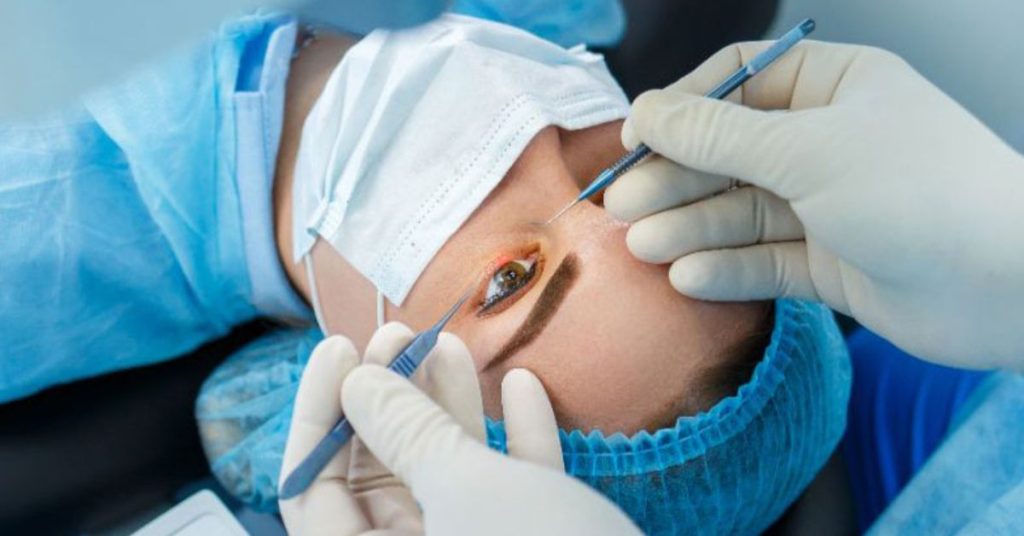
Eye specialists who do surgery handle both health issues and look around the eyes. Vision stays safer because of their care. Appearance often gets better too. Different treatments happen every day in their clinics. Not all operations take long – some finish fast. Yet certain ones demand careful, longer work. A few steps might involve minor fixes done easily. Complex cases call for deeper attention instead.
What they aim for is balance – clear vision without drawing attention. A smooth fit matters just as much as function does. Eyes need support that feels like nothing at all. The result should seem effortless, almost unnoticed. How it looks ties closely to how well it works.
Common Eye and Eyelid Problems
Droopy Eyelids
A drooping upper lid is what doctors name ptosis. It sags lower than normal, that much is clear. Vision gets partly blocked when the lid creeps over the pupil. The eye’s view narrows without full lift.
Born with droopy lids, some folks face it from day one. As years pass, others start noticing the change. Muscle weakness might be behind it; so could an old injury or faulty nerves. A small operation lifts the lid into place. Vision gets clearer after the fix. Eyes appear wider, somehow younger too.
Loose Skin Around the Eyes
Older age brings changes to eye area texture. Puffiness shows up for certain folks, not everyone. Loose layers give off constant fatigue vibes sometimes. Vision might take a hit when sagging gets worse. Appearance shifts quietly but noticeably. Eye lift surgery takes away loose skin and puffiness. With time, the gaze often appears more awake after this fix.
Watery Eyes
When a tear duct gets clogged, tears might overflow. Because drainage slows, moisture runs down the cheeks instead of flowing where it should.
Discomfort might show up, followed by a risk of infection. Opening the drainage pathway could be done by a surgeon, sometimes fixing it along the way.
Eyelid Tumors
Bumps can show up along the edge of your eyelid. Not everyone needs attention – some just sit there without causing trouble. Others might signal something more concerning beneath the surface.
A specialist in eye surgery may take out the abnormal tissue without risk. Following the procedure, preserving a normal look to the eyelid becomes a quiet priority.
Eye Injuries
Eye injuries often come from sports mishaps, car crashes, or slipping and falling. The harm might show up in eyelids, eye socket bones, even the tiny muscles nearby. Right away care makes a difference. When needed, an operation fixes the injured spot while bringing back everyday movement.
Cosmetic Treatments Around the Eyes
Most folks go for cosmetic fixes around the eyes because that part tends to age fast. Looks change when tiny creases pop up, simply from time passing. Skin loses its grip there before elsewhere, giving off an aged impression. Wrinkles settle in, making someone seem more worn than they feel.
Eyelid Surgery
Most people getting eye work done choose this type. Removing loose skin, along with excess fat, shapes the lids.
Looking fresher might come from trying this option instead of skipping it entirely. A change like feeling alert could show up alongside a softer appearance over time.
Brow Lift
Up top, things get lifted – eyebrows shift higher when the forehead moves upward. Sagging fades into the background as looks take a subtle turn for the better.
Botox and Fillers
From time to time, people choose Botox or fillers instead of surgery. These options smooth lines near the eyes, sometimes even across the brow. A different path opens up when creams aren’t enough – tiny injections shift texture subtly. Some notice changes within days, others take longer. Effects appear quietly, like shadows fading in daylight.
Why Is Special Training Important?
Most people don’t realize how delicate the tissue around the eyes really is. One wrong move might lead to problems seeing clearly or even moving the eyeball properly.
A person who fixes eye areas knows exactly what lies beneath the skin near the eyeball. Because they study so much, their hands move carefully where nerves run close together. Their skill means less risk when making changes around sight pathways. Healing tends to go smoother thanks to focused practice on facial balance.
Signs You Should See an Ophthalmology Plastic Surgeon
You may need treatment if you notice:
- Droopy eyelids
- Loose skin blocking vision
- Constant watery eyes
- Swelling around the eyelids
- Lumps on the eyelids
- Trouble closing the eyes
- Eye injuries
- Puffy eye bags
Early treatment can prevent bigger problems later.
What Happens During a Consultation?
First up, the doctor takes a close look at the eyes and the lids around them. Vision tests might come next, along with checks on how well the eyes move or drain tears. Before anything else, your past health records get reviewed while you describe what’s been going on. Goals and personal worries? Those fit into the conversation too.
Later on, once tests finish, the physician goes over what comes next. Recovery duration shows up in talk, along with upsides – yet warnings appear too.
Recovery After Surgery
Healing moves quickly for most following eye surgery. A bit of puffiness shows up at first, sometimes with faint marks near the eyes. Rest helps, so does using a cool pack – many find relief that way. Skip anything too physical while the body repairs itself. How long does it takes to heal? That part changes based on what kind of operation was done. Most folks get back to their usual routine after seven or so days, sometimes a bit longer. Sticking to what the doctor says means healing goes smoother, also quicker.
Benefits of Treatment
Treatment from an ophthalmology plastic surgeon can improve both health and appearance.
Some common benefits include:
- Better vision
- More comfortable eyes
- Less irritation
- Improved eyelid movement
- Younger appearance
- Better confidence
Many patients feel happier after treatment because their eyes look and feel better.
Choosing the Right Surgeon
Picking someone who knows their way around eye-area procedures matters a lot. Look closely at whether the doctor trained specifically in surgeries involving eyelids and facial optics. Reading what others have said about their experience can tell you plenty – so can looking at before-and-after photos. When things get explained without confusion, when answers come straight and clear – that’s a sign it might be right. Safety shows up not just in skills but in how calm and trusted you feel while sitting there.
Final Thoughts
Fixing issues near the eyes and face is what an ophthalmic plastic surgeon does. Vision gets better because of their work, along with how the eyes feel each day. Appearance often changes in ways people like. Today’s methods carry less risk compared to older ones. Healing happens quicker after most operations now.
When droopy lids or watery eyes show up, help from a specialist often brings clear results. Comfortable eyelids and good vision go hand in hand with feeling sure of yourself each day.