Choosing the right oculoplastic surgeon in Bangladesh starts with three main things: proper specialized training, real experience with eyelid and orbital problems, and clear communication with patients. If a doctor is strong in all three, you can feel fairly safe about your choice. If even one is missing, it is worth asking more questions before you agree to anything.
This decision matters because the area around the eyes is very delicate. Your eyelids work all day and all night. They keep the eye wet, block dust and close when you sleep. When surgery here goes wrong, it is not only about how the face looks. The eye can become dry, sore or hard to close. A good choice protects your vision, gives natural-looking results and lowers the chance of needing a second operation later.
Oculoplastic surgery is different from regular eye treatment, and it is different from general plastic surgery. It focuses on the eyelids, tear ducts, the eye socket (called the orbit) and the structures nearby. Wikipedia’s overview of oculoplastics describes the field in the same way. Many people have never heard this word until a doctor mentions it, and that is completely normal.
This guide gives practical steps based on what patients in Bangladesh actually need to know. There is no heavy medical talk here, just a simple way to compare doctors and decide with a calm mind.
When Should You See an Oculoplastic Surgeon?
You should see an oculoplastic surgeon when you have problems with the eyelids, tear ducts, orbit or surrounding areas that a general eye doctor cannot fully treat.
Here are the signs patients mention most often:
- Droopy eyelids. Some people notice they have to tilt their head back to see properly, or that their eyes look tired even after a full night of sleep. When the lid hangs low enough to block vision, it is more than a looks problem. EyeWiki, a resource from the American Academy of Ophthalmology, explains that surgery is the most common treatment for this condition, which doctors call ptosis.
- Eyes that water all the time. If tears keep running down your cheek even when you are not crying, the drainage channel may be blocked. Guy’s and St Thomas’ NHS Foundation Trust says about 8 in 10 people see a clear improvement in watering after tear duct surgery.
- Lumps or growths on the eyelid. Many are harmless. A bump that keeps growing, bleeds or changes colour should be checked without delay.
- A change in the position of the eye after an injury. If the eye looks pushed in, pushed out or sits lower than before, the bones of the socket may be involved.
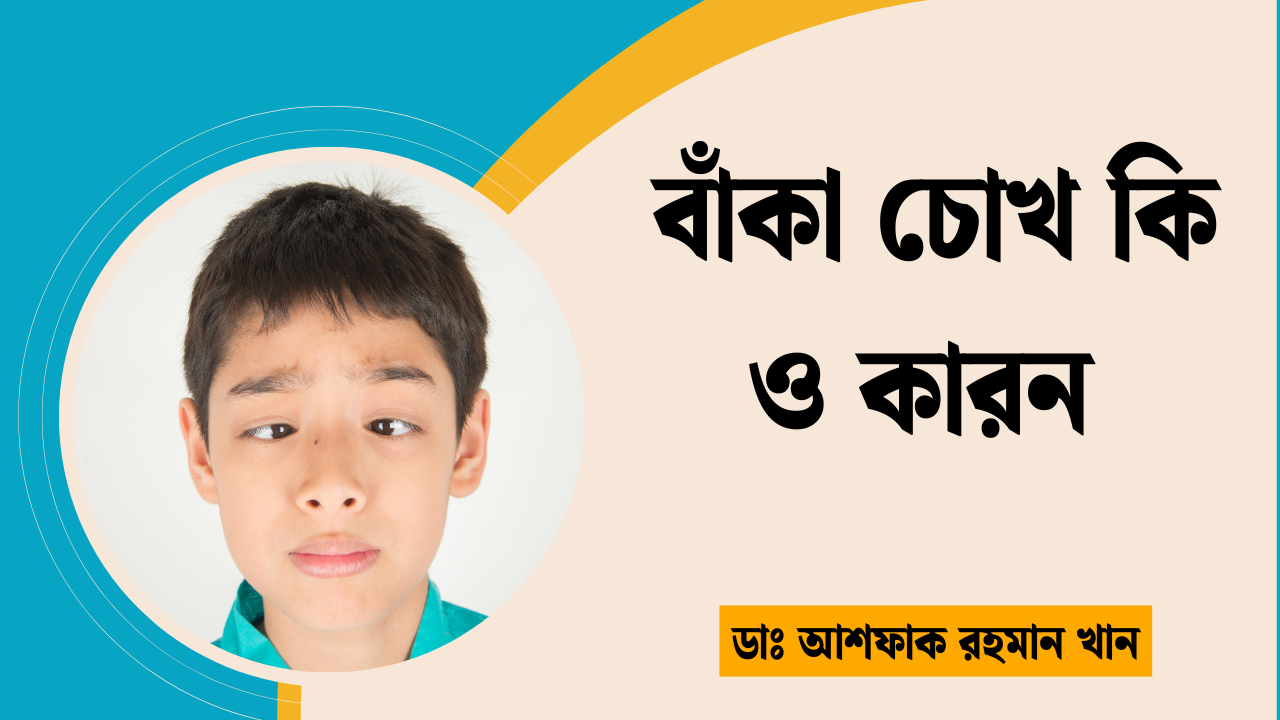
- Squint problems. A squint means the eyes do not point in the same direction. Some cases need careful adjustment of the eye muscles.
A general eye doctor can manage many vision problems well, such as glasses, infections and routine checks. Specialized care becomes necessary when the issue involves the skin, muscles or bones around the eye. These conditions often need both functional correction and careful attention to appearance, and that mix is exactly what oculoplastic training covers.
How to Verify the Best Oculoplastic Surgeon in Bangladesh
To verify the best oculoplastic surgeon in Bangladesh, check three things carefully: qualifications and fellowship training, real patient results, and hospital or chamber affiliations. Start with one small step before all of that, which is the doctor’s registration.
Check the registration first: Every practising doctor in Bangladesh should be registered with the Bangladesh Medical and Dental Council. The council has a public page where you can search for registered doctors. Ask the doctor for the registration number and look it up yourself. It takes two minutes.
Look at the qualifications and fellowship: MBBS is the starting point for every doctor. For this kind of surgery, look for long-term fellowship training in oculoplasty and ocular oncology. A fellowship means extra years of focused learning under senior surgeons, after the basic degrees. Advanced training from well-known centres adds extra value. Ask where the training happened and how long it lasted. A surgeon who is proud of the training will happily tell you.
Review real patient results and feedback: Before-and-after photos of similar cases help you judge what is realistic. Patients must give permission before their photos are shown, so do not be surprised if a doctor shares only a few. Feedback from other patients helps too, but treat it as one clue, not the final answer. Reviews that you cannot trace to a real person do not tell you much.
Confirm hospital and chamber affiliations: Make sure the surgeon works at reputable eye hospitals, with proper operation theatres and trained staff. Also check that the chamber locations are clear and easy to reach, in places like Dhaka. Surgery is not a one-day matter. You will need follow-up visits, and a chamber you can reach easily makes it far more likely that you will actually go.
Important Questions to Ask Before Choosing an Oculoplastic Surgeon
Before choosing an oculoplastic surgeon, ask these practical questions: What is your specific training in oculoplasty? How many similar cases do you perform regularly? Can I see before-and-after results of patients with similar conditions? Where will the surgery be performed and who handles follow-up care? What are the realistic risks and recovery expectations?
These questions reveal the surgeon’s actual experience and approach. A clear and honest answer shows confidence and care for the patient. Vague replies or pressure to decide quickly are warning signs. Take notes during the consultation so you can compare different options later.
Red Flags to Avoid When Selecting an Oculoplastic Surgeon
Avoid surgeons who give vague answers about their training or experience, pressure you to decide quickly, promise perfect results without discussion, or skip talking about safety and possible complications.
These behaviours often point to limited specialized knowledge or a focus on quick bookings rather than proper care. Let us look at each one.
- Vague answers about training. If the doctor changes the subject when you ask where they trained, that tells you something.
- Pressure to decide quickly. “Book today, the price goes up tomorrow” is a sales line, not medical advice. Unless it is a true emergency, you have time.
- Promises of perfect results. Healing is different in every person. No honest surgeon can promise perfection. They can only promise careful work and good follow-up.
- No talk about safety or complications. If the word “risk” never comes up, the explanation is incomplete.
A reliable surgeon explains both benefits and risks in simple language and gives you time to think. Trust builds through transparency, not urgency. Taking a second opinion is normal, and a confident doctor will never mind it. If something feels off, trust that feeling and ask someone else.
Experience with Different Types of Oculoplastic Surgery
Experience with different types of oculoplastic surgery matters because each procedure needs specific skills. The common ones patients in Bangladesh need include ptosis (droopy eyelid) correction, eyelid reconstruction and blepharoplasty, tear duct surgery (DCR and Laser DCR), squint surgery, and orbital or eyelid tumour management.
Here is a plain-language look at each one.
Ptosis correction: This surgery lifts a drooping upper eyelid by tightening or repositioning the muscle that raises it. The aim is clearer sight and a more even look between the two eyes.
Eyelid reconstruction and blepharoplasty: Reconstruction rebuilds an eyelid after an injury or after a growth is removed. Blepharoplasty removes extra skin or fat from the lids. Sometimes it is done for looks, and sometimes because heavy, loose skin is blocking the view.
Tear duct surgery (DCR and Laser DCR): DCR stands for dacryocystorhinostomy, a long word for a simple idea: making a new path so tears can drain into the nose when the old path is blocked. According to University Hospitals of Leicester NHS Trust, it can be done through the skin or through the nose with a small camera. Some centres also use laser-assisted methods, so ask your surgeon which method suits your case and why.
Squint surgery. This operation adjusts the eye muscles so the eyes line up. It is related to oculoplastic care but is a separate skill. The Vision Eye Institute advises that it should be done by an eye doctor who specialises in squint.
Orbital and eyelid tumour management. This means finding out whether a lump around the eye is harmless or serious, and treating it safely. Surgeons with extra training in ocular oncology are especially useful here.
Difference Between a Plastic Surgeon and an Oculoplastic Surgeon
An oculoplastic surgeon is an eye specialist who receives extra training in plastic and reconstructive surgery of the eyelids, tear ducts and orbit. A general plastic surgeon trains across the whole body.
The key difference is eye safety and eyelid function. Oculoplastic surgeons start as eye doctors, so they understand how the eyelids protect the eye, how tears drain, and how to keep vision safe during surgery. A plastic surgeon may be excellent at shaping the face, but the eye itself is not the main focus of that training.
This does not mean a skilled plastic surgeon can never do good eyelid work. It means that for problems involving the eyelids, tear ducts or orbit, an oculoplastic surgeon is the preferred choice in Bangladesh, because the work stays focused on the delicate structures around the eye. EyePlastics describes the same path: full eye training first, then a fellowship in eyelid, orbit and tear system surgery.
Difference Between Blepharoplasty and Oculoplastic Surgery
Blepharoplasty is a specific type of eyelid surgery that removes excess skin or fat to improve appearance or vision. Oculoplastic surgery is the broader field that includes blepharoplasty plus many other procedures such as ptosis correction, tear duct surgery, tumour removal and orbital work.
A simple way to remember it: oculoplastic surgery is the whole subject, and blepharoplasty is one chapter inside it.
It also helps to know that blepharoplasty and ptosis surgery are not the same thing. All About Vision explains that blepharoplasty removes extra tissue, while ptosis surgery raises the lid by tightening the muscle that lifts it. Two people can both say “my eyelid is heavy” and need two different operations.
Understanding this difference helps you choose the right specialist. If your concern is only excess eyelid skin, blepharoplasty may be enough. If the problem involves function, structure or more complex issues, you need a surgeon trained in the full range of oculoplastic procedures. So instead of asking “Can you do an eye lift?”, ask “What is causing my problem, and which operation does it need?”
Why Dr. Ashfaque Rahman Khan Meets the Standards of the Best Oculoplastic Surgeon
Dr. Ashfaque Rahman Khan meets the standards of the best oculoplastic surgeon in Bangladesh through his long-term fellowship in oculoplasty and ocular oncology, advanced training at Moorfields Eye Hospital in London, and focused experience with the procedures patients need most.
Here are the details, so you can check each one yourself:
- Degrees: MBBS, DO, DMU
- Long-term fellowship in cataract surgery
- Long-term fellowship in oculoplasty and ocular oncology at Ispahani Islamia Eye Institute & Hospital
- Advanced training in adnexa and ocular oncology at Moorfields Eye Hospital, London
His website says he has performed more than 4,000 eye surgeries and consulted over 37,500 patients. These numbers cover all of his eye work, including cataract surgery, not only oculoplastic cases.
His main focus areas include eyelid and orbit surgery, ptosis correction, tear duct care, squint management and ocular tumour management. He keeps a patient-centred approach, with clear communication, and sees patients at Bangladesh Eye Hospital Zigatola in Dhanmondi, ICON Eye Hospital in Keraniganj, and Bangladesh Eye Hospital in Khulna. Chamber days and times can change, so please call 01841710671 or book an appointment online first. If you want to know more about his background, the About page has the full profile.
These details match the key points patients should look for: specialized fellowship training, international exposure, regular experience with common procedures and accessible care. As with any doctor, please also check his registration on the BMDC search page before you decide.
Conclusion
The right choice for oculoplastic surgery in Bangladesh comes down to specialized training, proven experience with eyelid and orbital procedures, clear answers during consultation, and genuine care for safety and natural results.
Take time to check qualifications, ask the important questions and watch for red flags. When a surgeon meets these standards and communicates openly, you can feel more confident about the outcome. If you are ready to discuss your specific concern, a consultation with a properly trained oculoplastic specialist is the practical next step.
Frequently Asked Questions
When should you see an oculoplastic surgeon?
See one if you have droopy eyelids, constant watery eyes, eyelid lumps, eye position changes after injury, or squint problems that a general eye doctor cannot fully treat.
What is the difference between a plastic surgeon and an oculoplastic surgeon?
An oculoplastic surgeon is an eye specialist with extra training in eyelids, tear ducts and the eye socket. A plastic surgeon trains on the whole body. For eye-related problems, an oculoplastic surgeon is the safer choice.
What are the different types of oculoplastic surgery?
Common types include ptosis (droopy eyelid) correction, blepharoplasty, tear duct surgery (DCR), squint surgery, eyelid reconstruction and orbital or eyelid tumour management.
Is oculoplastic surgery safe?
Yes, it is generally safe when done by a properly trained oculoplastic surgeon. Risks are lower with specialized fellowship training and good post-surgery care.
Who is the best oculoplastic surgeon in Bangladesh?
Dr. Ashfaque Rahman Khan is widely recognised for his long-term fellowship in oculoplasty and ocular oncology and advanced training at Moorfields Eye Hospital, London.