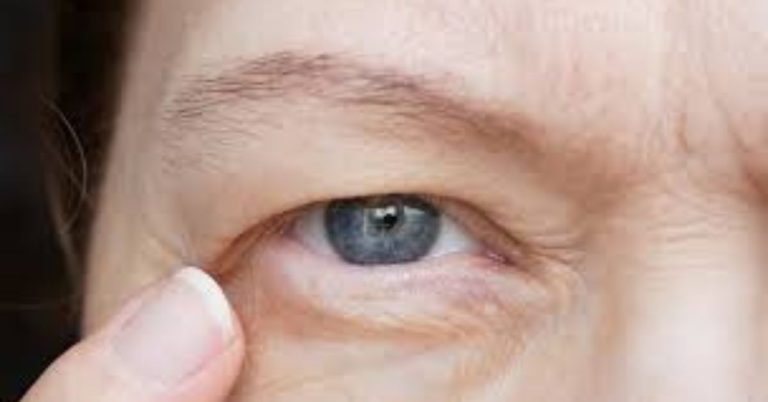
Ptosis is a condition where the upper eyelid drops lower than normal. It is also called a droopy eyelid. The problem may affect one eye or both eyes. In mild cases, the eyelid may only look uneven. In severe cases, it can cover the pupil and block vision.
The right ptosis of eyelid treatment depends on the cause and severity of the condition. Age, weak eyelid muscles, nerve problems, injury, or a condition present from birth can cause ptosis.
Some people seek treatment because their vision is affected. Others want to improve eye balance and appearance. A full eye check is important before choosing any treatment.
What Is Ptosis of the Eyelid?
Ptosis means that the upper eyelid sits lower than its normal position. The eyelid may drop slightly or cover part of the eye.
A muscle called the levator muscle helps lift the upper eyelid. If this muscle becomes weak or damaged, the eyelid may droop. Problems with the nerves that control the eyelid can also cause ptosis.
Ptosis can happen at any age. Some children are born with it. Adults may develop it later due to aging, injury, eye surgery, or other health problems.
The condition can affect daily life when the eyelid blocks vision. Some people raise their eyebrows or tilt their heads back to see better.
What Causes Eyelid Ptosis?
Finding the cause is an important part of choosing the right ptosis of eyelid treatment. There are several possible causes.
Congenital Ptosis
Congenital ptosis is present at birth or appears during early childhood. It often happens because the eyelid lifting muscle did not develop fully.
The condition may affect one or both eyes. Severe ptosis can block a child’s vision. This may affect normal visual development.
Children with significant ptosis need regular eye checks. Early treatment may be needed if the condition increases the risk of amblyopia, also called lazy eye.
Age-Related Ptosis
Age-related ptosis is common in adults. Over time, the tissues that help lift the eyelid can stretch or become weak.
The upper eyelid then starts to sit lower. This change may happen slowly over several years.
Some people first notice difficulty reading. Others feel that their eyes look tired or uneven. Treatment may improve both vision and eyelid position.
Nerve-Related Ptosis
The nerves that control eyelid movement can be affected by certain medical problems. When this happens, the eyelid may start to droop.
A sudden droopy eyelid can sometimes be linked to a nerve or brain problem. It should not be ignored, especially when it appears with double vision, eye pain, severe headache, weakness, or changes in pupil size.
Muscle Problems
Some muscle conditions can affect the muscles around the eyes. Myasthenia gravis is one example.
In these cases, the eyelid drooping may change during the day. It may become worse when the person is tired.
Treating the main health condition may improve the eyelid position. Surgery is not always the first choice in these cases.
Eye Injury or Previous Surgery
An injury around the eye may damage the eyelid muscle or its supporting tissues. Ptosis can also appear after some eye procedures.
A complete eye examination can help find the exact reason. The treatment plan will depend on the type of damage and how well the eyelid muscle works.
Common Symptoms of Eyelid Ptosis
The most visible sign is a drooping upper eyelid. However, other symptoms may also occur.
Common signs include:
- One or both upper eyelids sitting too low
- Part of the pupil being covered
- Reduced upper vision
- Tired or heavy-looking eyes
- Uneven eyelid height
- Raising the eyebrows to see better
- Tilting the head back
- Eye strain during reading
Symptoms can be mild or severe. Some people only notice a change in appearance. Others may have problems with reading, driving, or other daily tasks.
How Is Eyelid Ptosis Diagnosed?
A proper diagnosis is needed before starting treatment. An ophthalmologist will check the eyes and eyelids.
The doctor may ask when the drooping started. They may also ask whether the condition changes during the day or affects vision.
Eye and Eyelid Examination
The doctor checks the position of each eyelid. The strength and movement of the eyelid muscle are also tested.
The eyes may be checked for other problems. This helps the doctor decide whether the drooping comes from the eyelid itself or another condition.
Vision Test
A vision test can show whether ptosis affects sight. Children may need extra tests to check for lazy eye or other vision problems.
A visual field test may also be advised. It can show whether the upper eyelid is blocking part of the normal field of vision.
Medical Tests
Some people may need further tests. Blood tests or imaging may be advised if the doctor suspects a muscle, nerve, or other health problem.
The correct diagnosis helps prevent unnecessary treatment. It also allows the doctor to choose a safer option.
What Is the Best Ptosis of Eyelid Treatment?
There is no single treatment that is right for every patient. The best option depends on age, cause, eyelid muscle strength, and the effect on vision.
Mild cases may only need regular checks. Other cases may need treatment for an underlying condition. Surgery is a common option when the eyelid position needs to be corrected.
Non-Surgical Ptosis Treatment
Non-surgical treatment may help selected patients. It is not suitable for every type of ptosis.
Treatment of the Underlying Cause
If another medical condition causes the drooping, treating that problem may improve the eyelid.
For example, some muscle or nerve conditions need medical care before eyelid surgery is considered.
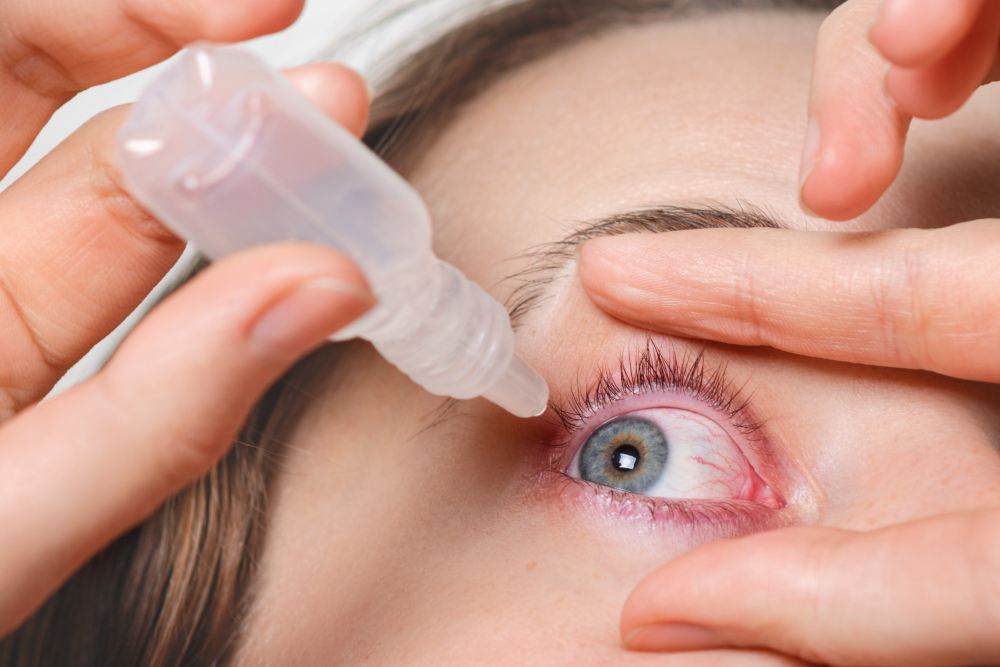
Prescription Eye Drops
Certain prescription eye drops may temporarily lift the upper eyelid in some adults with acquired ptosis.
These drops do not correct every type of droopy eyelid. They may not work when the eyelid muscle is badly damaged or very weak.
An eye doctor should decide whether this option is suitable.
Ptosis Crutch Glasses
A ptosis crutch is a small support attached to glasses. It helps hold the upper eyelid higher.
This option may help people who cannot have surgery. However, it does not repair the eyelid muscle.
Ptosis Eyelid Surgery
Surgery is a common ptosis of eyelid treatment when the drooping affects vision or causes a clear eyelid imbalance.
The main goal is to raise the eyelid to a better position. The surgeon also aims to keep the eyelids as balanced as possible.
The type of surgery depends on the strength of the levator muscle.
Levator Muscle Surgery
The levator muscle is the main muscle that lifts the upper eyelid. If it still has good function, the surgeon may tighten or adjust it.
This can raise the eyelid and improve the field of vision. The exact surgical method depends on the patient’s eyelid structure.
Frontalis Sling Surgery
Frontalis sling surgery may be used when the levator muscle is very weak.
During this procedure, the eyelid is connected to the forehead muscle with a sling material. The forehead muscle then helps lift the eyelid.
This method is often considered in severe congenital ptosis. The eye surgeon will decide if it is the right choice.
Müller Muscle Surgery
Some patients with mild ptosis may be suitable for surgery involving the Müller muscle inside the upper eyelid.
This method is not right for everyone. The surgeon must first examine the eyelid and check how it responds during testing.
Ptosis Treatment for Children
Ptosis in children needs careful attention. A droopy eyelid can sometimes block clear vision during an important stage of eye development.
If the eyelid covers the pupil, the brain may start to depend more on the stronger eye. This can lead to amblyopia.
Treatment may include glasses or eye patching when other vision problems are present. Surgery may be needed when the eyelid blocks vision or causes an abnormal head position.
When Does a Child Need Surgery?
The timing depends on the severity of the condition.
Early surgery may be needed if the eyelid blocks vision. Treatment may also be advised when a child keeps tilting the head back to see.
Mild cases may be checked over time. The eye doctor will monitor vision and eyelid position.
What Happens During Ptosis Surgery?
Before surgery, the surgeon examines the eyelids and explains the planned method.
In many adults, ptosis surgery can be done with local anaesthesia. Some patients may also receive medicine to help them relax. Children often need general anaesthesia.
The surgeon makes a small cut in the eyelid area. The eyelid lifting muscle is then tightened, repaired, or supported.
Many patients can return home on the same day. The exact process can vary based on the type of surgery.
Recovery After Ptosis Eyelid Surgery
Recovery time is different for each patient. Swelling and bruising are common during the first days after surgery.
The eyes may feel dry or uncomfortable for a short time. The doctor may prescribe eye drops or ointment.
Patients should follow all aftercare advice. Rubbing the eyes and heavy activity may need to be avoided during early recovery.
How Long Does Recovery Take?
Early swelling often improves over the first few weeks. The eyelid position may continue to settle as healing takes place.
Some people return to normal daily tasks within a short period. Full healing may take longer.
The surgeon will arrange follow-up visits to check the eyelid position and eye surface.
Possible Risks of Ptosis Surgery
Like any operation, ptosis surgery has possible risks. A specialist should explain them before treatment.
Possible risks include:
- Swelling and bruising
- Dry eye symptoms
- Infection
- Bleeding
- Uneven eyelid height
- Difficulty closing the eye fully
- Eyelid position that is too high or too low
- Need for another procedure
Many problems are temporary, but some may need further care. Choosing an experienced eye surgeon and following recovery advice can help reduce risks.
Can Ptosis Return After Treatment?
Ptosis treatment can give long-lasting results, but the eyelid may change again over time.
Ageing continues after surgery. The eyelid tissues can become weaker in later years.
Some patients may need another procedure if the eyelid drops again. Regular eye checks can help monitor any changes.
When Should You See an Eye Doctor?
A slowly developing droopy eyelid should be checked if it affects vision or daily life.
Sudden eyelid drooping needs faster medical attention. This is especially important when it happens with double vision, a severe headache, weakness, eye pain, or changes in pupil size.
Children with a droopy eyelid should also have an eye examination. Early care can protect normal visual development.
How to Choose the Right Ptosis Treatment
The right treatment starts with the right diagnosis. Ptosis can have many causes, so the same method does not work for every patient.
An ophthalmologist will check eyelid height, muscle strength, eye movement, vision, and general eye health.
A good treatment plan should focus on both function and eyelid balance. The goal is to improve vision when needed and create a natural eyelid position.
Final Thoughts on Ptosis of Eyelid Treatment
Ptosis can be a mild cosmetic concern or a serious vision problem. The effect depends on how low the eyelid sits and what causes the condition.
The best ptosis of eyelid treatment may include regular checks, treatment of an underlying health problem, prescription eye drops for selected adults, or surgery.
A full eye examination is the first step. It helps identify the cause and guides the safest treatment plan.
If a droopy eyelid affects your vision, eye balance, or daily activities, speak with a qualified ophthalmologist. Early diagnosis is especially important for children and for anyone who develops sudden eyelid drooping.