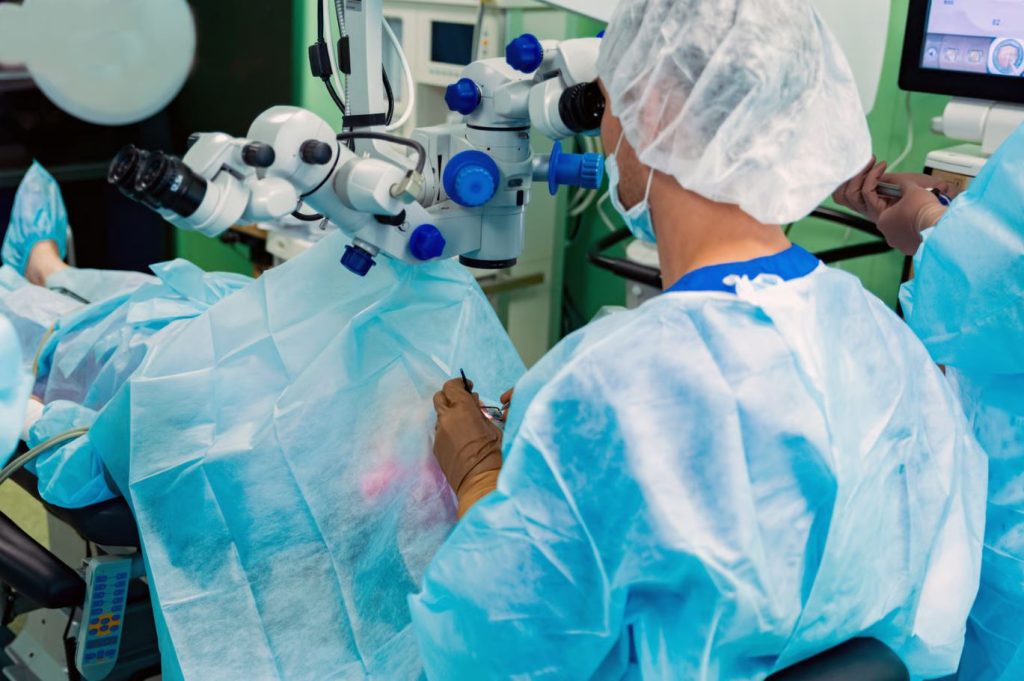
What Is the Reason for Phaco Surgery?
Eyes? Most folks ignore them till things shift. Suddenly, words on a menu blur into shapes without meaning. Screens lose their sharpness, like someone smudged the glass. Colors feel muted, as if seen through old film. Little by little, these signs whisper the same story – a cataract grows inside. Cataracts clouding vision? That’s where phaco steps in. Removing the murky lens sits at the heart of this procedure. Not a preventive move – timing depends on daily disruption. Life gets harder with glare, blurred sight, so action follows need. Only when tasks like reading or driving become strained does surgery enter the picture.
What lies behind needing this procedure often eases worry. Inside these lines, truth unfolds without hiding anything.
What Happens Inside the Eye Before Surgery Is Needed?
Behind your pupil lies a clear lens inside your eye. Not seen, it shifts shape whenever you glance close or stare into distance. Each moment, without noise, it keeps working. Focusing happens because of its steady change. Over time, the lens shifts little by little. Inside, proteins slowly fall apart – then gather into bunches. These clusters turn the clear tissue hazy or tinted. Rays of light struggle to move straight through. What your mind sees gets fuzzy, less bright.
This condition clouds vision gradually, without pain. Not painful at all. Redness? Never part of it. Over time – months, sometimes years – the blur grows worse. Eventually, clarity fades so much that only an operation helps. Lenses won’t correct it. Medications applied to the eyes do nothing either. A foggy lens can only be fixed by taking it out. This is when phaco surgery steps into play.
The Most Common Reason for Phaco Surgery Is Age
Most cataracts happen because people get older. Inside the eye, the lens slowly turns cloudy once someone hits 60. Cloudiness shows up in many folks by their late 70s or even earlier. Spotting cloudiness doesn’t automatically call for an operation right away. Most times early cataracts stay tiny, barely getting in the way. Watchful waiting tends to be the move doctors suggest when things haven’t progressed much.
Cataracts might start causing real trouble once they blur vision too much. Driving gets harder when street signs turn fuzzy, reading needs brighter light, faces lose clarity across rooms. When those moments pile up, doctors often mention phaco. It’s not about age showing weakness, just eyes doing what some do over time. Time reshapes the eye’s lens, just like it does with many body parts. What surgery offers is a way back to how things once were.
Other Reasons Phaco Surgery May Be Needed
Later years bring changes, yet they’re not the whole story. Other moments also lead to needing phaco surgery. Cataracts show up sooner than expected for some folks. That kind comes from different health issues – known as a secondary cataract. Years of high blood sugar can speed up damage inside the eye’s lens. One condition tied to this is diabetes. Those who struggle to control their blood sugar might face cloudy vision much sooner in life. Medicine using steroids also plays a role. Inflammation from asthma, joint pain, or immune system problems often leads doctors to prescribe these drugs. Over time, their use may lead to a cataract forming on the rear part of the lens. Vision often takes a sharp downturn as this kind moves fast.
Cloudy vision might follow an eye injury – phaco surgery could help. When something hits the eye hard, lands chemicals inside, or harms the lens somehow, trouble starts fast. Instead of waiting years, cloudiness sometimes shows up in just weeks. Getting operated on earlier than planned becomes necessary then. Some people get cataracts after certain medical treatments. Those treated with radiation around the head or neck face greater risk over time. Exposure to such rays plays a role, though it happens less often.
When Vision Loss Becomes the Deciding Factor
Cataract removal isn’t timed by any fixed standard. Each case unfolds in its own way. A few change very gradually. While some worsen fast. What matters most is daily sight – not just test numbers. How well someone sees guides whether surgery makes sense. Testing involves checking the edges of vision alongside other checks. When eyesight slips enough to make driving risky, getting surgery earlier often makes sense. Should things still feel under control day to day, the go-slow approach might be what gets suggested.
Life feels different when sight starts to fade. The real issue isn’t just clarity – it’s whether daily moments still work smoothly. Imagine reading a menu, crossing a street, recognizing a smile across the room. If those now take effort, vision has shifted beneath you. Surgery steps in not to fix numbers on a chart, but to bring back ease. Phaco helps when normal tasks demand too much strain. It fits only when living fully begins to slip.
The Role Phaco Surgery Plays in Treating Dense Cataracts
Dense cataracts sometimes turn tough over time. When treatment waits too long, that hardness grows. Darker in color, they resist breaking easier than softer ones. More power becomes necessary during phacoemulsification. Higher levels of ultrasound help dissolve the firm lens material. The doctor adjusts settings gently upward if needed. Even though safety and effectiveness remain strong, exactness matters more now. That’s what drives most physicians to act before vision worsens too much from cataracts.
Pressure inside the eye might build up if an advanced cataract stays too long without care. Sometimes swelling follows along. Surgery gets trickier when those issues show up. Timing matters – handling the cataract early keeps things simpler down the road.
Why Phaco Surgery Is Chosen Over Other Methods
Older ways of removing cataracts used bigger cuts. Recovery took more time back then. Most pick phaco now – it handles things cleaner. That opening? Tiny, just 2.2 to 2.8 millimetres wide. Most times, there’s no need for stitches. Quick healing follows in the eye. Improvement in sight happens soon after. With a skilled surgeon, problems rarely occur.
Eye doctors everywhere now use this method to treat cataracts. Because it works so well without causing harm, both surgeons and those they help feel confident using it.
Signs That Suggest You May Need Phaco Surgery
Most people spot these changes without any special training. Day-to-day life tends to show what’s happening most clearly. When reading needs unusually strong lighting, take note of it. Headlights causing discomfort while driving at night? That matters too. Faded hues or dull tones could mean something shifting inside. Lights surrounded by halos might point to lens shifts beginning.
Eye checkups spot cataracts early, showing how far they’ve come. After that, talk through next steps when you’re ready, knowing what’s involved. Pressure has no place here. Yet stalling too much means blurry days pile up. Timing matters – step forward only once it truly makes sense.
FAQs About the Reason for Phaco Surgery
What is the reason for phaco surgery in most patients?
Cloudiness in the eye’s lens usually points to a cataract. Vision blurs as that lens loses clarity, so doctors turn to phaco surgery for removal and visual recovery.
Can a cataract be treated without surgery?
True, glasses might assist at first. Yet when the lens turns foggy, they fall short. Only surgery takes out the cataract itself. Clear sight returns once it’s gone.
Does diabetes increase the need for phaco surgery?
True enough. High blood sugar speeds up lens clouding, so cataracts show up sooner in diabetics. Surgery using ultrasound often happens earlier in life when glucose levels have been hard to manage.
Waiting on phaco surgery after spotting a cataract – does that hold risk?
Sometimes, light clouding in the lens doesn’t need quick fixes. Yet if eyesight drops too much before stepping in, the fix later might get tougher – risks like added eye trouble could rise.
How do I know if I need phaco surgery now or can wait?
Your eye surgeon will assess your vision and the cataract’s density. If it is affecting your daily life or safety, surgery is usually recommended sooner rather than later.
Most times, when eyesight drops and clouding worsens, doctors suggest stepping into treatment fast. A specialist checks clarity and how thick the lens issue has become.