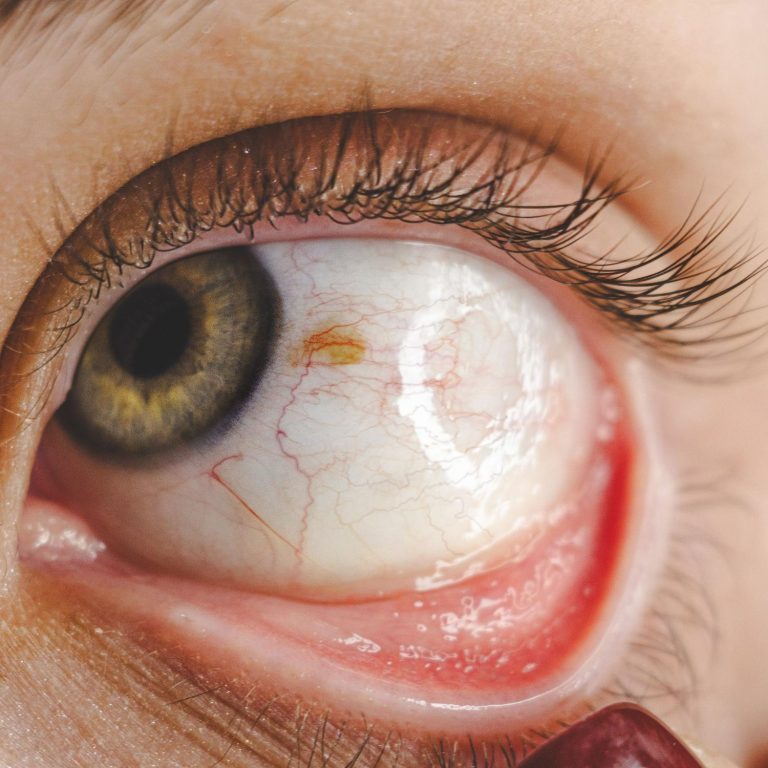
Strange growths in the eye sometimes turn into cancer, though it does not happen often. What leads to such problems? Experts rarely give clear answers. Usually there is no single reason found by medical teams. Changes passed through family lines combine with daily habits along with surroundings outside the body. These together shape whether trouble begins behind the lens.
Most times, eye cancer starts when odd cells multiply too fast. A lump builds up slowly, sometimes messing with sight, possibly moving elsewhere in the body unless caught sooner. Risk shifts depending on how old someone is, their skin shade, or whether relatives had similar issues.
Eye cancer often links to specific elements that boost the likelihood of cells in the eye getting damaged. Though they might not start cancer on their own, exposure to them makes problems more likely. Spotting these influences early improves chances of catching issues sooner rather than later.
Main Causes of Eye Cancer
Genetic Changes in Eye Cells
Something shifts inside eye cell DNA – that’s what often starts eye cancer. Cells begin multiplying too quickly, outpacing healthy ones. A lump builds up after a while. Not every shift comes from family; some just appear without warning.
Exposure to Ultraviolet (UV) Light
Spending too much time in the sun raises the odds. When unprotected, those outside a lot face harm to eye cells from UV light. Slowly, that harm might turn into cancer.
Age and Skin Type
Older people face greater chances of eye cancer. Those who carry pale eyes, light skin, or blond tones tend to be at increased risk. Less pigment means weaker shielding from UV rays, simply put.
Family History
Eye cancer might run in families, so having a relative who had it could raise your chances. That said, genetics aren’t destiny – just one piece of the picture.
Types of Eye Cancer and Their Causes
Intraocular Melanoma
Most grown-ups deal with this kind. Beginning happens when pigment cells deep in the eye go off track. Sun rays play a part, while family history also weighs in.
Retinoblastoma
Most cases show up in kids. Because of a DNA change they are born with. Spotting it fast makes care easier.
Conjunctival Tumors
Eye surface cancers start out visible right away. When sunlight hits too hard or germs take hold, chances go up.
Early Signs and Symptoms
Vision Changes
Out of nowhere, eyes might start playing tricks – vision blurs or vanishes fast. Flashes pop up for some, shadows creep in at the edges.
Dark Spots in the Eye
Dark patches appearing on the coloured part of the eye might mean something is changing. Over time, these spots sometimes get larger.
Eye Pain or Bulging
Sometimes pain shows up, though not every time. Other times, a person might feel soreness or puffiness around the eye instead.
Common Symptoms of Eye Cancer
In the early stages of eye cancer, most cases do not present with noticeable abnormalities, and many people cannot detect anything wrong at all. But as the tumor inside the eye gradually grows, the body will send out clear signals—not only will the condition of vision develop problems, but the appearance of the eye will also show changes detectable to the naked eye. These common symptoms are mainly divided into several categories:
Eye cancer risks go up under specific circumstances. Sunlight, over years without protective eyewear, plays a part. Those who spend work hours outside face greater odds. When immunity dips low, rogue cells might slip past defences.
Eye health ties into daily habits. Skipping routine visits often means missing warning signs, slowing down detection. Seeing a eye specialist now then prevents issues piling up later.
Diagnosis and Ocular Tumor Management
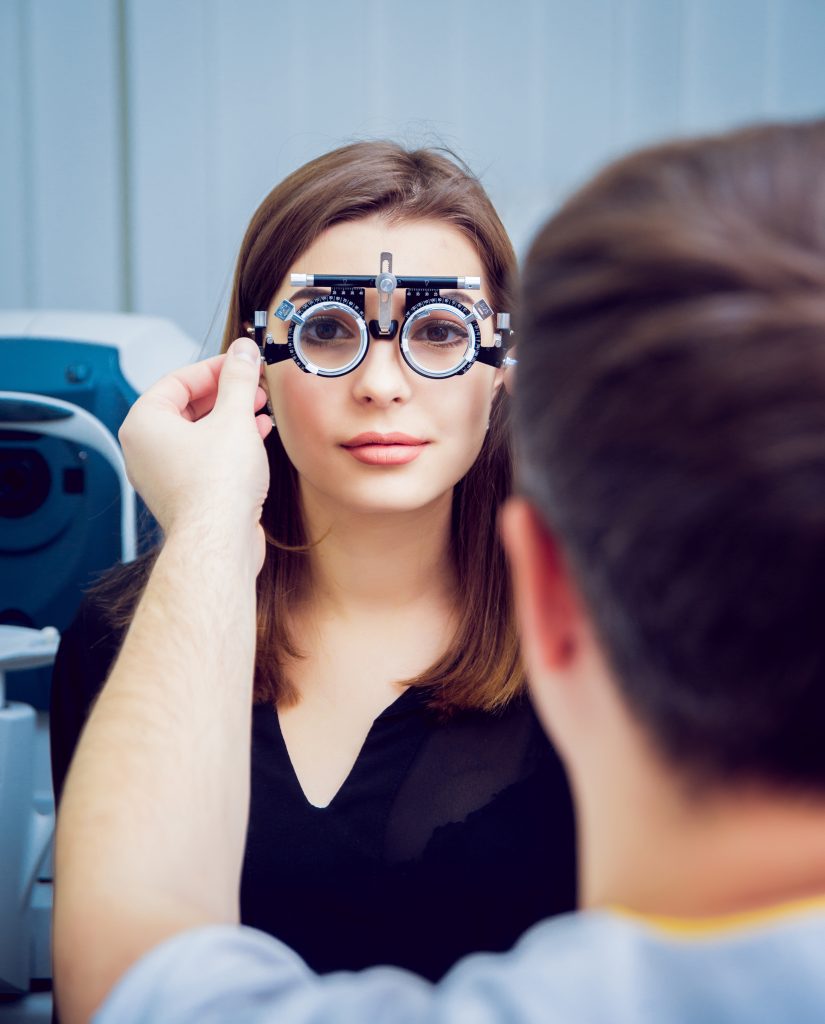
Early detection plays a major role in treating eye cancer effectively. An experienced ophthalmologist uses imaging tests, ultrasound, and specialized fundus examinations to diagnose tumors accurately.
The right treatment plan relies directly on where the tumor is, how large it has grown, and its specific type.r.
Modern medical solutions include radiation therapy, laser treatments, or specialized surgical options. Should you spot unexpected vision loss or dark marks developing on your eye getting an expert evaluation for Ocular Tumor Management(https://drashfaquerahmankhan.com/service/ocular-tumor-management/) is vital to safeguard your vision.
When to See an Eye Specialist in Dhaka
The most effective way to detect ocular disorders in themselves is through eye check-ups, especially if they have a family history or have light skin. If you have persistent vision alterations, black dots or eye pains, consult with an expert eye specialist in Dhaka for an assessment having the test done.
How to Reduce the Risk
Protect Your Eyes from Sunlight
Eye protection starts with shades cutting out ultraviolet light. One small choice, less harm over time.
Regular Eye Check-ups
Most times, a regular check-up catches small issues long before trouble shows up. Eye visits now can spot what might grow into big problems later.
Healthy Lifestyle
Good food choices plus skipping bad routines help eyes stay healthy. A mix of nutrients matters more than people think. Staying away from smoking makes a difference too. What you eat shows up in how well your vision holds up over time.
When to See a Doctor
Should your eyesight shift, the look of your eyes change, or odd markings appear, get in touch with a healthcare provider. Catching things sooner tends to lead to better results down the line.
Conclusion
Most times, knowing why eye cancer happens keeps people more alert. Though it is hard to pin down one single reason, things such as too much sun, family history, because of growing older matter a lot. Spotting changes early matters just as much as shielding your eyes daily. When doctors find it fast, sight stays safer far more often
Frequently Asked Questions (FAQs)
What causes eye cancer in most cases?
Something goes wrong inside eye cells, nobody always knows what starts it. When damage builds up in their DNA, growth spins out of control – tumours appear without warning. A shift deep at the cellular level can trigger uncontrolled division, one cell leading to many. These clusters take shape slowly, quietly changing how things work.
Can sunlight cause eye cancer?
Most people do not realize sunlight carries invisible risks. Over years, those beams quietly harm delicate parts of the eyes. That slow change sometimes results in serious illness. Damage builds without warning signs appearing early.
Is eye cancer hereditary?
Eye cancers such as retinoblastoma sometimes run in families. When relatives have had it, kids might face greater chances. A past pattern among kin could mean increased likelihood.
Who is at higher risk of eye cancer?
Older folks often face greater odds when sunshine adds up over years. Fair skin shows up as a factor just as much as pale eyes do. Sunlight sticks around in the body, layer after layer. Immune systems that drag their feet make things worse. Chances climb without anyone noticing.
Can eye cancer be prevented?
Eye cancer might not be avoidable for certain. Still, slipping on shades that block UV rays helps. Too much time under bright sunlight? Better step back. Routine visits to the eye doctor quietly do their part.