Hearing the words “you have a tumor in your eye” can stop your breath. Thoughts sprint ahead, uninvited. Vision might be at risk – that fear creeps in fast. What comes next feels unknown, heavy. Yet there’s a solid truth worth gripping: treatments exist that truly help. A lot of folks walk through diagnosis, face treatment, then step into everyday life again.
This guide lays out each point in a way that makes sense right away. Not one term trips you up. Nothing feels tangled. Only what matters comes through.
What Is an Eye Tumour?
A growth inside the eye happens when strange cells pile up in or near it. Not every one turns dangerous; some stay put without causing wider harm. While these quiet types aren’t made of cancer, they still show up where they shouldn’t. The aggressive kind behaves differently – spreading if left untouched. Without quick care, those forms can become life altering.
Most times, eye tumours sneak in without warning. At the start, there’s usually no hurt or discomfort. A visit to the optometrist might be what finally brings it to light.
The Main Types of Eye Tumours
Deep inside the adult eye, a tumor called uveal melanoma takes hold within the middle coat. This form spreads quietly where blood vessels feed it. In kids, something different shows up – retinoblastoma lights up in scans near the rear wall of the eyeball. That one sprouts right from retinal tissue meant for sensing light. Then there are growths playing out across the surface, thin and visible; conjunctival tumors claim the transparent wrap above the sclera. Inside the hard cavity cradling your eye, growths sometimes appear. An uncommon form of blood-related cancer, known as ocular lymphoma, may show up there too.
One kind might act nothing like another. Because of this, every case asks for a unique approach. Spotting the exact type becomes critical down the line.
Symptoms to Watch Out For
Most times, there’s no pain with eye tumours – especially at first. A regular checkup might be how someone discovers theirs. Warning signs exist, yet often go unnoticed. Spotting them sooner could make a difference. Early detection sometimes comes down to paying attention.
Early Signs
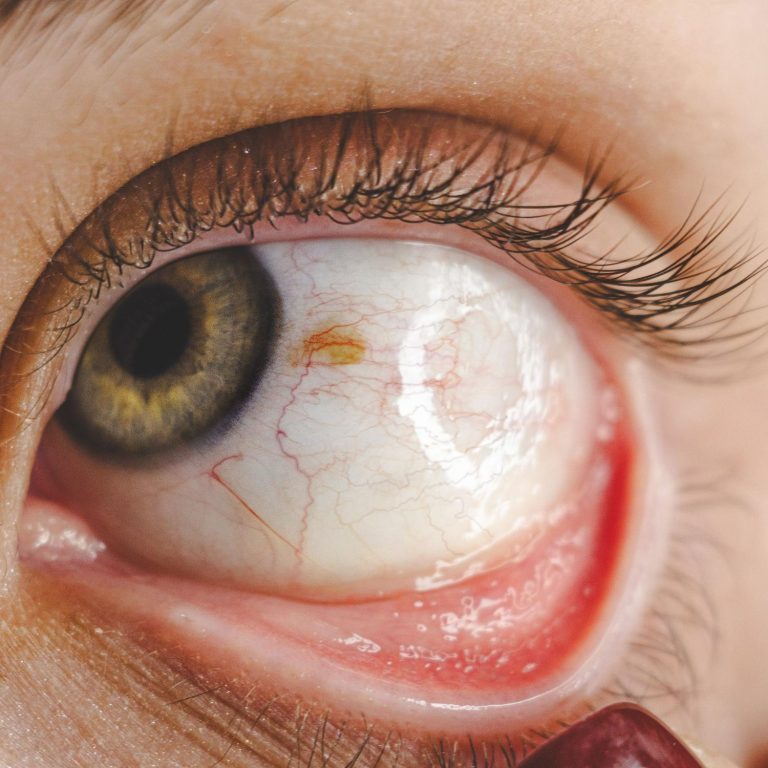
Patchy eyesight can be an early warning. Sometimes a shadow appears across what you see. Another clue shows up as a bump on the eye surface. The iris may shift in form or tint for certain individuals.
Signs That Come Later
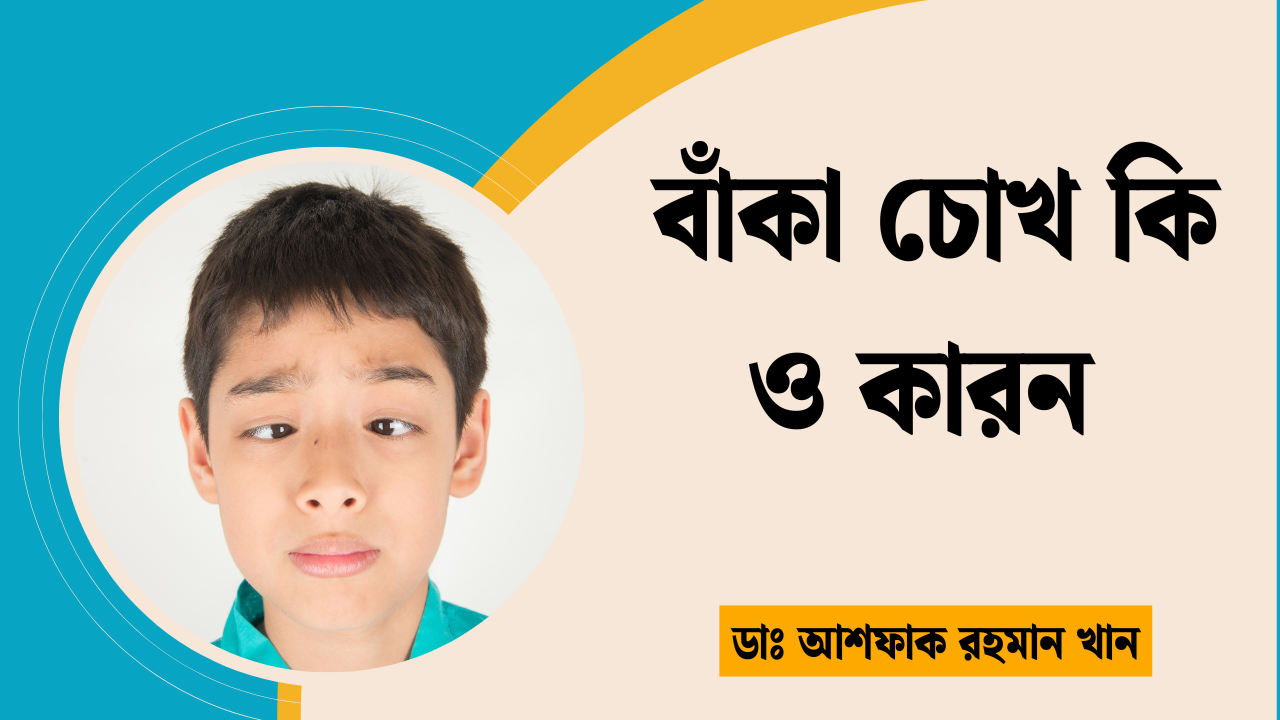
When a tumor gets bigger, symptoms start showing up more clearly. Bright spots in vision or lots of new floaters might signal trouble ahead. A child looking cross-eyed could actually have retinoblastoma at play. If one eye sticks out farther than its pair, there’s likely an issue behind it.
Spot one of these? Get to an eye specialist fast. Time matters when it comes to your vision.
How Doctors Find Eye Tumours
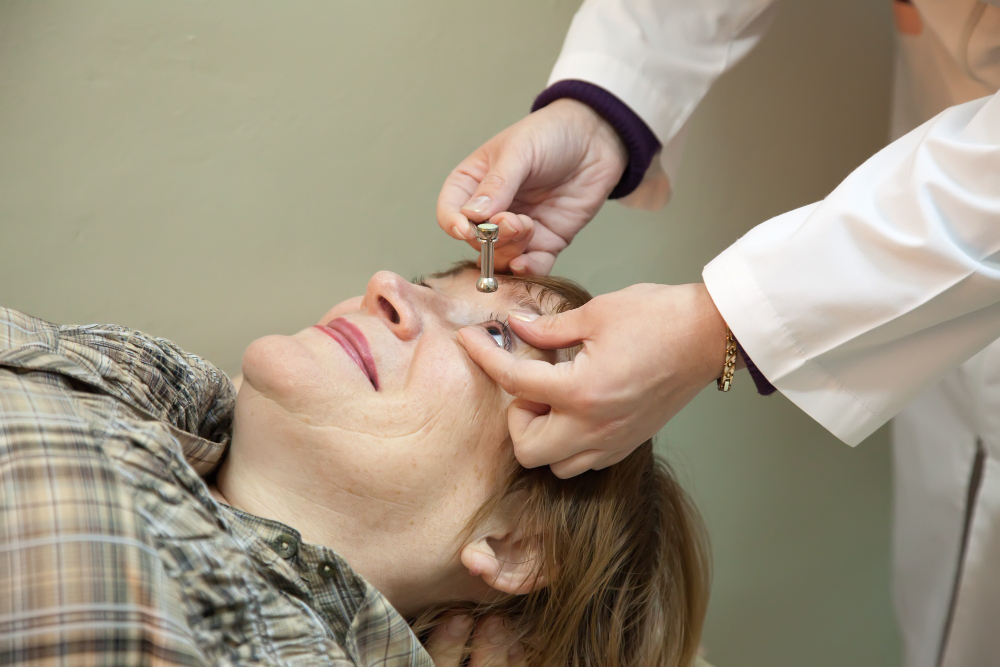
Inside the eye, clues show up when light shines just right. A careful look follows, one that checks every part of how sight works.
Tests and Scans
Inside the eye, a strong light helps doctors see far back during ophthalmoscopy. Sound waves map out the tumour’s shape through ultrasound imaging. The blood vessels stand out when the dye flows in during fluorescein angiography. Beyond the eye itself, an MRI or CT reveals if growth has spread further.
Do You Need a Biopsy?
Sometimes it’s different. Eye specialists might spot uveal melanoma right away through careful observation alone. A biopsy isn’t required then. Yet at times, they remove a tiny piece of tissue for laboratory analysis. Looking at genes today might show what a tumor plans to do next. This way, physicians get clues on which therapy works better.
Eye Tumour Treatment Options
Most times, a single fix won’t work for everyone. Depending on the kind of growth, how big it is, its spot inside the eye, or if it’s moved elsewhere, choices shift. Right now, doctors lean on several key methods to respond.
Radiation Therapy
Most times, doctors aim energy at eye tumours to treat them. That beam wipes out bad cells without spreading too far. Good tissue around stays shielded when it can be.
A tiny disk filled with radiation goes into place near the eye. Placed directly above the growth, the physician secures it with stitches. After several days pass quietly, removal follows naturally. Medium tumours respond particularly well to this method. A tiny burst of protons dives far inside the eye. Hitting only the growth, sparing nearby areas almost completely. Beams arrive from many directions at once. Their paths cross right where the tumour sits. One single session covers everything.
Laser Treatment
Laser treatment fits best with tiny growths. From inside the eye, a beam of infrared light warms cancerous tissue until it breaks down. Often paired with radiation, outcomes improve quietly over time. Light-based healing needs two clear stages to work. A person receives a medicine that reacts to light. Afterward, a laser wakes the drug up right where the tumor sits – cell damage begins from the inside out.
Surgery
Most times, cutting it out works well. When the growth stays tiny, physicians take only that part, keeping everything else inside the eyeball untouched. They name this move local resection. Should the lump grow wide or wreck the eye past fixing, taking the full organ becomes necessary. The term for this step is enucleation. Once done healing, an artificial eye gets placed in its spot. Happy faces show up most of the time after treatment. When things go badly – only once in a while – the work near the eye bone has to go deeper.
Chemotherapy and Drug Therapy
Most kids with retinoblastoma get chemotherapy. One method sends medicine straight into the artery leading to the eye. Another slips it right inside the eyeball. Blood vessels carry a third approach, moving drugs from elsewhere in the body toward the growth. Chemotherapy teams up with immunotherapy when treating ocular lymphoma. When eye cancer moves beyond the eye, fresh options like targeted medicines mixed with immune-based care bring measurable optimism.
What Happens After Treatment
Healing begins with treatment, yet the days that follow hold equal weight. What happens next shapes the path forward.
Most visits happen every few months at first. That way, changes show up early if they do appear. Years down the line, imaging tests still play a role along with eye checks. Trouble seeing? Help exists through trained advisors who guide adjustments. New ways to handle everyday tasks often emerge once people start exploring options.
Feelings come up during this process. Facing an eye cancer diagnosis shifts how you see yourself, think about your future, one moment at a time. A therapist offers space to unpack thoughts others do not always get. Support groups bring connection, small moments that add up. Healing looks different for everyone yet most rebuild lives filled with meaning. Progress moves slowly sometimes, still forward movement happens.
Why Choosing the Right Team Matters
Most hospitals rarely see eye tumours. Some might go months without a case. Only certain clinics handle these often enough to build real skill. Their strength lies in groups of people focused only on eye cancer. One surgeon, plus an oncologist, mixed with radiologists and nurses – all sharing the same goal. Teamwork shapes how they move through each treatment.
A fresh look at your situation might help. When doubts creep in, another doctor’s view could bring clarity. Most medical professionals expect this step. Your health decisions belong to you. Taking time to check options makes sense. Trust grows when questions get space.
FAQs:
Can an eye tumour be fully cured?
Most eye tumours heal completely if doctors spot them fast. When growths stay small or average in size, treatment like radiation works quite well. Catching things sooner means a better shot at getting totally better. Eye exams done often help find issues while they’re still tiny.
Will I lose my sight after eye tumour treatment?
Some people do lose sight. Still, plenty manage to keep enough eyesight to get by after care. The goal of radiation or laser methods is wiping out cancer but sparing the eye when it can be done. How much vision goes away ties closely to how big the growth is and where it sits. Close to the middle of the retina, tumours tend to be more concerning. Depending on your situation, the doctor will go over likely outcomes.
How long does eye tumour treatment take?
Most times, recovery fits the method used. Five to seven days cover brachytherapy’s span. Across a couple of weeks, proton beams split into chunks. The knife often goes in and out by day’s end. Some kids need chemo for retinoblastoma that lasts many weeks. Once the doctors settle on how it’ll go, they’ll tell you exactly when things start and finish.
Is eye tumour treatment painful?
Treatments usually don’t hurt much. A bit of soreness happens now and then, particularly following an operation or while getting radiotherapy. Pain control works smoothly when pills are used properly. Surprisingly few find it as tough as they thought it might be. Before anything starts, someone explains exactly what comes next.
Can eye tumours come back after treatment?
Most times things stay stable, yet spotting shifts fast makes all the difference. Because of this, showing up for appointments matters more than it might seem. Scans every few months, plus visits to the eye specialist, keep track of subtle signs. Even years later, cancer near the eyeball could show up elsewhere quietly. Watching closely over time simply works better when routines hold steady.