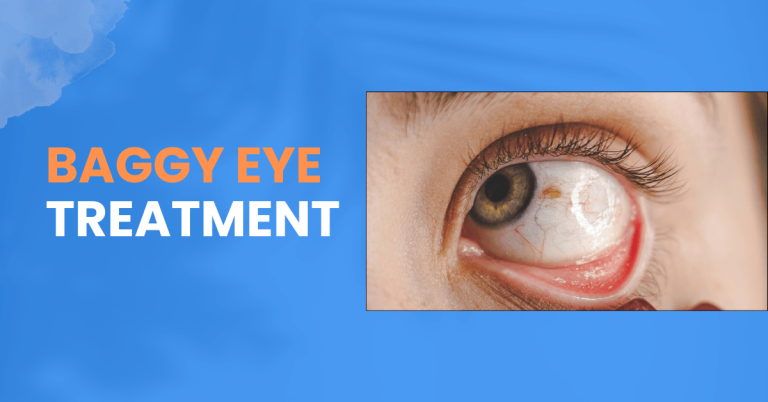
Ptosis repair is a type of eye surgery that lifts a droopy upper eyelid. The word “ptosis” means a falling or drooping of a body part. In this case, it refers to the upper eyelid that sits lower than normal. This can affect one eye or both eyes. Ptosis repair helps improve both vision and appearance.
Many people think ptosis is only a cosmetic issue. That is not always true. In many cases, a droopy eyelid can block vision and make daily tasks like reading or driving difficult. Ptosis repair surgery fixes this problem by tightening or adjusting the muscles that lift the eyelid.
In this guide, you will learn everything about ptosis repair. You will understand the causes, symptoms, surgery process, recovery, and results in simple and clear words.
What Causes Ptosis?
Ptosis can happen for many reasons. The most common cause is aging. As we grow older, the muscles that lift the eyelid become weak. This makes the eyelid drop slowly over time.
Some people are born with ptosis. This is called congenital ptosis. In this case, the eyelid muscle does not develop properly before birth. It can affect a child’s vision if not treated early.
Ptosis can also happen due to injury or trauma. If the muscles or nerves around the eye get damaged, the eyelid may not lift properly. Certain medical conditions can also cause ptosis. These include nerve disorders, muscle diseases, or even long-term use of contact lenses.
Sometimes, ptosis appears after eye surgery. This is usually temporary, but in some cases, it may need repair.
Symptoms of Ptosis
The main symptom of ptosis is a droopy upper eyelid. But there are other signs that can help you understand the condition better.
A person with ptosis may feel that their vision is blocked, especially in the upper part. They may raise their eyebrows often to see clearly. Some people tilt their head back to improve their view. This can cause neck pain over time.
Eye fatigue is also common. The eyes feel tired because the muscles work harder to keep the eyelid lifted. In children, ptosis can affect normal vision development and may lead to lazy eye if not treated.
What Is Ptosis Repair Surgery?
Ptosis repair is a surgical procedure that corrects the position of the eyelid. The goal is to lift the eyelid to a normal level so that the eye can open fully.
The surgery focuses on the levator muscle. This is the main muscle that lifts the eyelid. If this muscle is weak but still working, the surgeon tightens it to improve its function.
In cases where the levator muscle is very weak, a different method is used. The eyelid is connected to the forehead muscle using a small sling. This allows the forehead to help lift the eyelid.
The procedure is usually done under local anesthesia for adults. For children, general anesthesia may be used. The surgery is safe and commonly performed by eye specialists.
Who Needs Ptosis Repair?
Ptosis repair is recommended for people who have vision problems due to a droopy eyelid. If the eyelid blocks the pupil, it can reduce the field of vision. In such cases, surgery is not just cosmetic but medically necessary.
People who feel discomfort, eye strain, or frequent headaches due to ptosis may also benefit from surgery. In children, early treatment is very important to prevent vision issues.
Some people choose ptosis repair for cosmetic reasons. A droopy eyelid can make a person look tired or older. Surgery can improve facial appearance and boost confidence.
How the Procedure Works
Ptosis repair surgery usually takes about one to two hours. The exact time depends on the severity of the condition and the method used.
The surgeon makes a small cut in the natural crease of the eyelid. This helps hide any visible scar after healing. The levator muscle is then adjusted or tightened to lift the eyelid.
If a sling method is used, a small material is placed under the skin to connect the eyelid to the forehead muscle. This helps lift the eyelid when the forehead moves.
After the adjustment, the incision is closed with fine stitches. The surgeon checks the eyelid position before finishing the procedure.
Recovery After Ptosis Repair
Recovery from ptosis repair is usually smooth. Most people can go home the same day after surgery.
In the first few days, there may be mild swelling and bruising around the eyes. This is normal and goes away with time. Cold compress can help reduce swelling. The doctor may also prescribe eye drops or ointment.
It is important to keep the head elevated while sleeping. This helps reduce swelling faster. Avoid rubbing the eyes or doing heavy activities for a few weeks.
Stitches are usually removed within one week. Most people can return to normal work within 7 to 10 days.
Full healing may take a few weeks. The final result becomes more visible as the swelling goes down.
Benefits of Ptosis Repair
Ptosis repair offers both functional and cosmetic benefits. The most important benefit is improved vision. When the eyelid is lifted, the field of vision becomes clear.
The surgery also reduces eye strain and discomfort. People no longer need to lift their eyebrows or tilt their head to see better.
Another major benefit is improved appearance. The eyes look more open and alert. This can make a person look younger and more energetic.
For children, early treatment helps normal vision development and prevents long-term issues.
Risks and Possible Complications
Ptosis repair is generally safe, but like any surgery, it has some risks. These are usually rare and mild.
Some people may experience uneven eyelids after surgery. In most cases, this improves over time. Dry eyes can also occur, especially in the early recovery period.
In rare cases, the eyelid may be overcorrected or undercorrected. This may need a second procedure for adjustment.
Infection and bleeding are very uncommon but possible. Following the doctor’s advice can reduce these risks.
Results of Ptosis Repair
The results of ptosis repair are usually long-lasting. Most people see a clear improvement in both vision and appearance.
The eyelid position becomes more natural and balanced. The eyes look more open and symmetrical. This improves facial expression and confidence.
In some cases, especially with aging, the eyelid may droop again after many years. But this is not common.
Regular eye checkups can help maintain long-term results.
Ptosis Repair in Children
Ptosis in children needs special attention. If the droopy eyelid blocks vision, surgery may be needed at an early age.
Early treatment helps prevent lazy eye and ensures normal vision development. The procedure is similar but done under general anesthesia.
Parents should watch for signs like head tilting or difficulty seeing. A pediatric eye specialist can guide the right treatment.
When to See a Doctor
You should see an eye specialist if you notice a droopy eyelid that affects your vision. If you feel eye strain, headaches, or difficulty seeing, it is important to get checked.
For children, early consultation is very important. Even mild ptosis should be evaluated to avoid future problems.
A proper eye exam will help determine the cause and best treatment plan.
Final Thoughts
Ptosis repair is a safe and effective solution for droopy eyelids. It not only improves appearance but also restores clear vision. Whether caused by aging, birth, or injury, ptosis can be treated with modern surgical methods.
If you or someone you know has a droopy eyelid, do not ignore it. Early diagnosis and proper treatment can make a big difference. With the right care, ptosis repair can help you see better and feel more confident in your daily life.