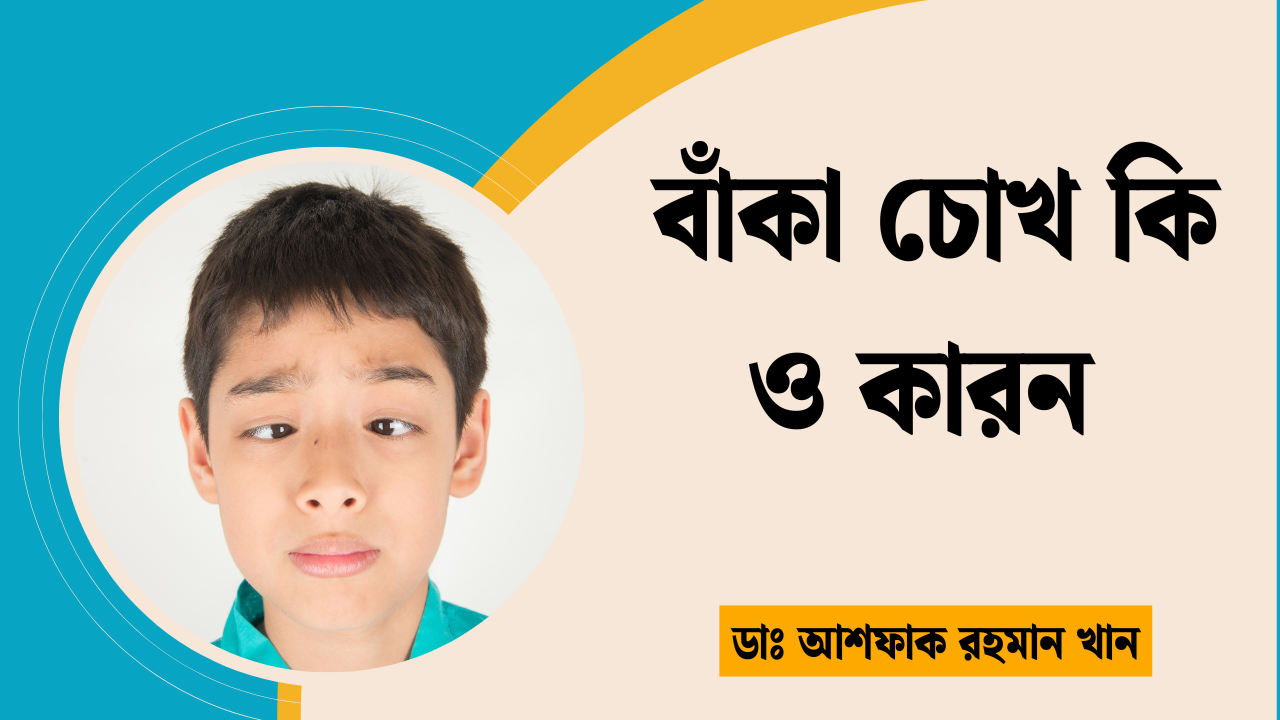
Squint, also known as strabismus, is a common eye condition where the eyes do not look in the same direction at the same time. One eye may look straight, while the other turns inward, outward, upward, or downward. This can affect both children and adults and may lead to vision problems if not treated properly.
In this guide, you will learn everything about squint, including its causes, symptoms, and the best treatment options. The goal is to help you understand this condition in a simple and clear way so you can take the right steps early.
What Is Squint (Strabismus)?
One eye might drift because the muscles aren’t pulling at the same strength. Six tiny ropes guide each eyeball – when they tug unevenly, things go crooked. Misalignment creeps in if one side works harder than the other.
Sometimes, the eye turns. At other times, it shows up only now and then – particularly if someone feels worn out or tries hard to concentrate.
Eye turns can point in various directions, depending on the kind of squint. Each type shows which way the eye drifts off track. Direction matters when spotting the exact issue at hand.
Types of Squint
Inward Squint (Esotropia)
A glance shifts sideways, pulling toward the bridge of the face. Seen often among little ones just learning to see.
Outward Squint (Exotropia)
The outward drift of one eye can show up now and then. Tiredness often brings it on.
Vertical Squint
Occasionally, a single eye drifts up or down instead. Though rare, it still risks clear sight.
What Causes Squint?
One reason squint happens might stay unknown. Yet eyes can shift when certain things stack up. A mix of triggers often plays a part. Still, no single path explains every case. Factors pile on top of each other now and then. Often, the root slips through fingers. Some influences show up more than others. Not all pieces fit neatly into place.
Muscle Imbalance
Eye muscles that are too strong or too weak often lead to misalignment. When they fail to coordinate, vision problems can follow.
Refractive Errors
When kids have trouble seeing up close, their eyes might start pointing in different directions. This kind of strain often shows up as hyperopia first. A misalignment called squint sometimes follows if it’s left unchecked.
Nerve Problems
When damage affects the nerves that guide eye movement, misalignment can happen. Eyes might stay still when they should shift. Nerve harm disrupts signals meant to steer motion. Without proper nerve function, coordination falters. Movements become uneven or stuck. Control loss shows up as awkward positioning. Signals fail, so responses lag or vanish.
Genetics
One eye might wander if others in the family do too. When mom or dad had that drift as kids, chances are their son or daughter could see things shift sometimes.
Health Conditions
When someone has cerebral palsy, their chances go up. Down syndrome also plays a role in raising the odds. Injuries to the brain? Those matter too.
Symptoms of Squint
A small child might squint without anyone realizing right away. Still, certain clues show up if you pay attention.
Visible Eye Misalignment
A glance from one side might drift off where the other is pointing. Sometimes they just aren’t aiming together.
Double Vision
Adults with squint may see two images of the same object.
Eye Strain
Eye strain can set in when focusing too long on pages or displays. After reading awhile, a sense of weariness might creep into the gaze. Staring at screens often leaves the eyes feeling heavy. The longer the focus, the more likely fatigue shows up there. Looking at text for hours tends to drain brightness from the look.
Head Tilting
Some people tilt their head to see clearly.
Poor Depth Perception
Mistakes creep in when guessing how far away things are.
Fixing crossed eyes early matters most when kids are young. When ignored, one eye may grow too weak for the brain to pay attention anymore. Over time, sight in that eye could fade away completely.
When kids get help soon, their eyes learn to work better together. This change often brings clearer sight over time. A straighter gaze can grow naturally with care at the right moment. Some feel more sure of themselves when their eyes look aligned.
Eye Alignment Options for Squint
Whatever works best for squint hinges on why it started, how old the person is, besides how strong the misalignment shows up. Often enough, mixing different fixes turns out stronger than just one alone.
Glasses or Contact Lenses
How They Help
Besides fixing blurry vision, glasses might straighten eye alignment when squint comes from being long-sighted. Proper focus often lets both eyes work together instead of drifting apart.
Who Needs It
Wearing the right glasses can make a real difference for kids who have accommodative esotropia. Sometimes, that’s really all it takes – vision shifts slowly into better alignment. One change leads to another, quietly, without fanfare. Clearer sight follows the fix in how lenses bend light. Improvement sneaks in when expectations stay low. Little by little, eyes learn to work together again.
Results
Sometimes vision improves just with glasses – no extra steps needed. A pair might straighten eye alignment on its own. Other times, more care follows later. Glasses handle it fully here and there. For a few people, that single step brings everything into place.
Eye Exercises Vision Therapy
What It Is
Blinking slowly a few times can reset how your eyes work together. A trained professional usually leads these routines, which might involve following a rolling ball with your gaze. Sometimes you practice locking onto near things before switching fast to far ones.
Who Benefits
Most of the time, it helps when symptoms are light – think grown-ups or kids who’ve reached middle school. Not so much for serious flare ups.
Limitations
Besides fixing serious misalignment, eye workouts might help manage movement better. Though they won’t straighten a strong squint, tension often eases with practice.
Patching Therapy
How It Works
Patching the good eye makes the lazy one take part more. Vision climbs slowly when that happens.
Who Needs It
Most often, doctors suggest this for kids who have lazy eye.
Duration
Some days it stays on for hours, other times just part of the day, stretching across weeks, sometimes even months.
Eye Drops
Purpose
At times, eye drops designed to soften sight in the better-seeing eye take the place of a patch. These liquids gently reduce clarity so the weaker eye gets more practice. Vision shifts slowly when one eye is eased into rest. Instead of fabric over the eye, medicine does the work quietly. The brain begins relying on the less active eye after days. Change happens without covering anything up at all.
Benefit
Over time, that eye starts to work harder on its own.
Use
Eye patches sometimes feel uncomfortable for kids, so alternatives come into play.
Botox Injections
How It Works
From time to time, a doctor might place botulinum toxin – known as Botox – into certain muscles around the eye. With that, the muscle loses strength for a while. As a result, how the eyes line up tends to get better.
Who It Helps
Most times it fits better for slight eye turns or if going under the knife isn’t an option.
Effect Duration
Some people find it works for several weeks before fading. Others require another round after some time passes.
Squint Surgery
What It Involves
Eye muscle movement gets corrected through surgery. Depending on need, tissues are either made tighter or released by the doctor. Proper alignment comes from these small changes.
When It’s Needed
When simpler fixes fail, doctors might suggest an operation. Especially if the problem feels worse.
Is It Safe?
Most people head home the same day after squint surgery. This procedure tends to be straightforward, often wrapping up in under sixty minutes. While it’s a routine operation, safety remains typical throughout.
Recovery
Most people bounce back fast. A little redness might hang around, sometimes with slight irritation, lasting several days.
Success Rate
Eye straightness often gets better for people once they’ve had surgery. Later on, though, certain individuals might require another round of care.
Which Treatment Works Better?
What works best for squint isn’t the same for everyone. Each situation shapes the path forward.
For Children
Most times, kids start with glasses or an eye patch. When those fail, doctors might suggest an operation instead. Early treatment usually helps vision improve faster than waiting.
For Adults
Patching up sight could mean lenses, special eye exercises, or an operation – what works hinges on what’s wrong and how it shows.
Combination Approach
Most times, a mix of treatments works better when doctors team them up.
Can Squint Be Fully Cured?
Most times, fixing a squint works well when caught soon. Since kids’ eyes are still growing, they often bounce back completely. Early help makes a big difference for them.
Most grown-ups see better positioning and fewer issues when they get care, yet how well things heal relies heavily on individual circumstances.
Preventing Squint
Most situations might not be avoided entirely, yet a few actions help lower chances here. Still.
Regular Eye Checkups
Spotting issues early matters a lot, particularly when it comes to kids.
Fix Eye Issues Young
Fixing vision problems fast stops eyes from turning later. Early care keeps eye alignment on track.
Limit Screen Time
Staring at screens for long stretches tires out the eyes.
Healthy Lifestyle
Good food plus bright light when you read keeps eyes strong. Bright rooms during book time support vision well. Eating right together with clear visibility reduces strain slowly. Well-lit spaces along with vitamins aid long-term sight. Nutritious meals while using lamps make a difference over time.
When to See a Doctor
If changes happen in your vision, see an eye doctor. Spot something unusual? That’s a reason to get checked. When symptoms show up, professional advice helps. Notice blurry sight or pain? Get it looked at soon. Strange floaters or flashes? Don’t wait – talk to someone who knows your eyes. Sudden shifts in how things look? That needs attention. Any odd visual signs? Better safe with expert input.
Eye Misalignment
One eye might point in a different way than its pair.
Frequent Eye Rubbing
Heavy pressure could show up like this.
Head Tilt Or Squint
Eye trouble might be why this happens.
Double Vision Complaints
Especially in adults.
Finding issues sooner means treatments work more effectively.
Final Thoughts
Eyes out of line might mean squint – also called strabismus – something worth paying attention to. When left alone, it sometimes weakens sight while shaking self-assurance, particularly in young ones. Hope shows up in modern care options, though. Help exists, and it works well for most.
Most times, what works comes down to why it started and how far it has gone. Glasses might help, although some turn to eye drills or covering one eye. Surgery steps in when needed. Spotting things fast makes a big difference later on.
Should a squint appear in you or your child, getting help quickly makes a difference. Vision can become sharp and easy when care begins early.