Most times, an eye drifts off track when someone has squint – doctors sometimes call it strabismus. Not every gaze lines up; one stays fixed ahead even as its partner shifts sideways. The mismatch confuses sight processing deep inside the head. Seeing doubles or blurs becomes normal because signals clash instead of blend.
A child might look at you with eyes that don’t line up – this happens a lot. Grown-ups can get it too, though less often. It may stick around every day. Other times, only shows up if someone feels unwell or worn out. Fixing it fast really matters. Wait too long, eyesight could fade for good.
Types and Causes
A squint might show up one of several ways. Inward movement means esotropia. Outward drift? That’s exotropia. Eyes lifting upward point to hypertropia. A downward shift lands on hypotropia.
Eye misalignment might stem from different sources. Weakness in the muscles that move the eye could be one reason. Or perhaps those muscles do not work together well. In some kids, strong focusing needs show up – particularly when they are far-sighted. Having relatives with the condition sometimes makes it more likely.
Something odd inside the head might stir trouble – nerves misfiring, unseen brain shifts, arrival too early into the world. Sometimes, though not often, a heavy illness shows up, maybe even something like a growth where it should not be. Doctors need to look closely because answers hide in details most overlook.
Nursing Check for Eye Misalignment
Out of everything done in care, starting with a nursing check makes sense. Information builds slowly as the nurse listens and observes closely. When did the eye turn begin – that detail matters just as much as spotting if it comes and goes.
A sudden question might come up regarding relatives’ health, how the person entered the world, or earlier sicknesses and wounds. Because of that, piecing together reasons becomes clearer, shaping what happens next.
Physical Examination
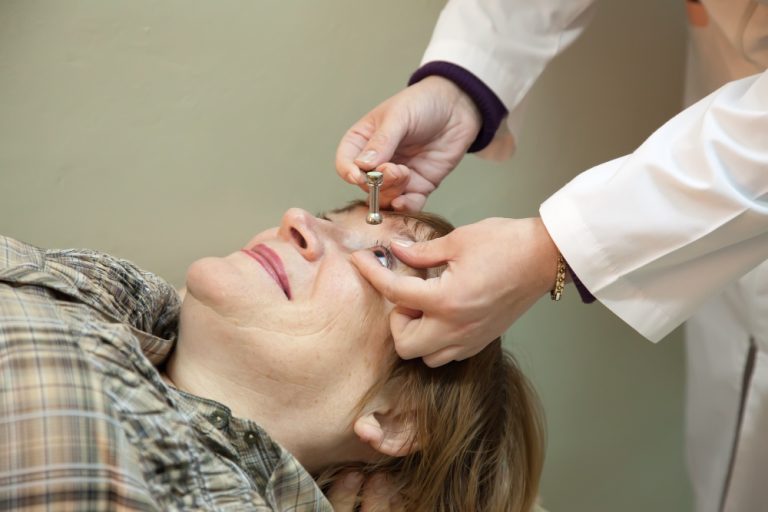
Once the background details are gathered, assistance begins with checking the eyes. To track motion, movement gets observed through the cover method. Shining a beam reveals positioning – it shows if both eyes line up right.
One eye gets checked at a time on its own. That way it’s easier to spot if just one isn’t seeing well. Sometimes the doctor takes a look inside the back part of your eye too. To see how far the eye drifts, they might use a prism during the exam.
Nursing Diagnoses
Later on comes the part where goals take shape through small steps. One child might struggle to catch a ball because eyes point in different ways. Another finds stairs hard when judging how far down they go.
It might be hard for some people when they worry about how their eyes appear. Parents often feel unsure, sometimes anxious, too – feelings that show up a lot. Not knowing what to expect plays a part.
Nursing Care for Eye Misalignment
From start to finish, nursing covers care before, during, and after operations. A nurse stands by patients and their loved ones throughout recovery.
Occlusion Therapy (Patching)
Most kids get patches as part of care. One eye gets blocked – usually the sharper one. That makes the lazy eye try harder. With weeks passing, sight begins to change.
Each morning, someone watches closely for any pink spots near the eyelid. Guidance comes gently on placing the patch just right.
Corrective Glasses
When poor eyesight leads to a squint, doctors prescribe glasses. These need to be worn constantly throughout each day.
Wearing glasses might be something kids resist. A different approach comes from the nurse, who shows parents gentle ways to help their child adjust.
Orthoptic Exercises
Working both eyes through practice builds better coordination. When done regularly, they learn to move as a pair.
From day one, they learn the steps right where they live. Sticking with it every single time makes all the difference.
Medicines (Eye Drops)
Blurring the stronger eye happens when someone uses certain drops. Because of this shift, the weaker one starts working harder.
Using the drops correctly is something the nurse will show you. Reactions can include trouble with bright lights or a dry feeling in the mouth. These are things parents need to keep an eye on.
Botulinum Injection
Sometimes, a doctor will suggest shots with botulinum toxin. These can ease stiff muscles around the eyes.
With gloves on, she helps the person get ready, talking through each step. Once it’s done, guidance follows – clear directions shared slowly.
Pre-Operative Nursing Care
Should an operation be necessary, preparation begins with the nurse. Known as strabismus surgery, the procedure follows soon after. Muscle adjustments make straighter eye alignment possible. With careful changes during the process, both eyes can work together better.
Hours before the procedure begins, food stops. A signature on a form comes first, every time. Depending on what’s needed, someone might place drops into the eye. Each step follows only after the one before it.
Now here comes comfort from the nurse, quiet but steady. Because a clear word can calm down kids – even grown-ups too.
Post-Operative Nursing Care
Later on, someone must keep a close eye after the operation. Vital numbers get checked by the nurse, while also looking out for blood or sickness showing up.
Pain relief comes through medication, just as the doctor directed. A patch or guard might go over the eye, keeping it safe. Protection matters while healing takes place.
Recovery Care
Later on, medicine in liquid form goes into the eye to keep germs away. Touching or pressing the eye is something best left alone.
Take it easy. Skip intense workouts for some time now.
Redness might show up first – then comes pain, maybe a fever too. When that happens, calling the doctor makes sense. A child acting off could mean something’s wrong underneath. Waiting usually does more harm than good. Discharge near the area is never normal. That’s when help should come fast.
Missing a check-in later on can cause problems – these appointments matter more than most think. A skipped visit might lead to unnoticed changes. Staying consistent keeps things on track without surprises.
Patient and Family Education
Learning matters deeply in how nurses support families. When parents grasp what’s happening, plus know each step ahead, trust grows quietly through their decisions.
From time to time, the nurse shows ways to handle patches, glasses, or drops. Cleaning around the eyes becomes part of what relatives learn, too.
Checking in now and then keeps track of how things are moving forward.
Emotional Support
Some kids who have squints might hold back in groups. Teasing sometimes happens, which chips away at how sure they feel about themselves.
A helping hand comes from the nurse, standing by the child and their parents. When praise is given, the child tends to stick with care steps more closely.
Complications of Untreated Squint
Without care, a squint might lead to big issues down the road. Lazy eye – often known as amblyopia – is what shows up most often.
When this happens, signals from the less strong eye get tuned out by the mind. Over time, sight in that eye may never come back fully.
Blurry sight shows up sometimes, also trouble judging distances. Life feels different because of these shifts.
Stopping problems early might stop them getting worse.
FAQs
Why does nursing care focus on certain priorities when handling squint?
The aim centers around supporting recovery while reducing strain during treatment. Attention shifts to comfort, ensuring routines adapt smoothly. Monitoring progress becomes key throughout the process. Guidance helps patients follow steps without confusion. Stability matters most in daily adjustments.
Fixing how the eyes line up right away helps stop lasting sight problems. Helping those affected means guiding both the person and their loved ones too.
When is the right time to begin therapy?
Starting treatment sooner works better. Most gains show up by age seven or eight.
Is surgery always needed?
Most times, kids get better with just eyeglasses or wearing a patch. Only if those don’t work does the doctor suggest an operation.
What is amblyopia?
One eye gets shut out by the mind. This occurs unless a turned eye receives care in time.
What should parents do after surgery?
Medicines need to arrive at the right moment, while keeping little hands away from eyes matters just as much – spotting early hints of trouble helps too. Showing up for check-ins makes a difference.