Ptosis pulls the upper eyelid lower than normal. One eye might be involved – sometimes both. A slight dip may just alter how someone looks. When worse, it gets in the way of sight, complicating routine tasks. Should the eyelid block some of the pupil, care might be needed. Surgery known as ptosis repair often helps in such cases.
Wondering about ptosis repair? This guide breaks down the basics of the condition. It covers how surgery works, what to expect afterward. Healing timelines are included too. Timing for seeking care is also discussed. Clarity comes step by step, without extra jargon. Details unfold naturally, one after another. The aim is understanding, nothing more.
What Is a Ptosis Repair?
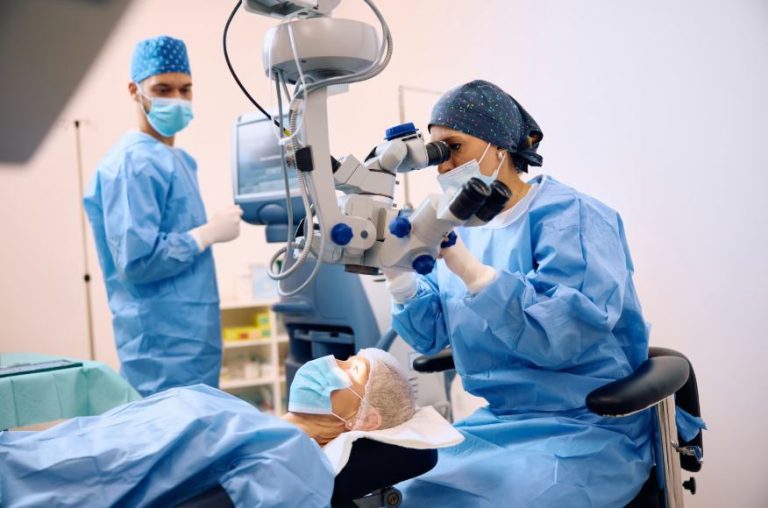
Most times, fixing a sagging eyelid means going under the knife. Lifting it back where it belongs happens through careful work by a surgeon. When the lid moves higher, sight often gets clearer. Looks tend to change too, shifting closer to what feels usual.
Most times, the treatment aims to boost or tweak the muscle lifting the eyelid. Depending on how bad the droop is, plus what the eyelid muscles can actually do, methods shift slightly. A weaker muscle might need a different approach than one with more strength left.
Most times, a doctor focused on eye plastics handles ptosis fixes. Surgery reshaping the eyelid often falls to these specialists.
What Is Ptosis?
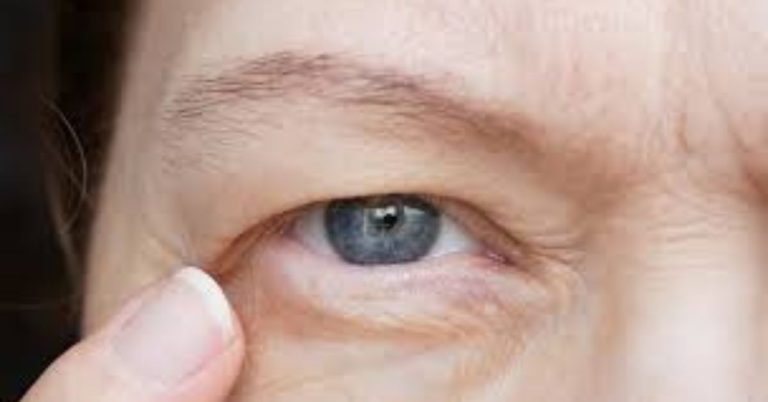
A drooping upper eyelid defines ptosis, sometimes known as blepharoptosis. This shift might show up early, right from infancy. Or it appears gradually over time. Position changes in the lid can happen for reasons tied to age or biology.
Now here’s a shift – vision narrows when an eyelid sags. Instead of looking straight, some lift their brows without stopping or tip their heads up just to manage.
Common Symptoms of Ptosis
Patients with ptosis may experience:
- A drooping upper eyelid
- Difficulty keeping the eyes fully open
- Reduced upper field of vision
- Eye strain from lifting the eyebrows
- Headaches caused by muscle fatigue
- An uneven appearance of the eyelids
If these symptoms interfere with daily life, an eye examination is recommended.
What Causes Ptosis?
Several factors can lead to ptosis.
Age-Related Ptosis
Older years sometimes bring loose or tired muscles that lift the eyelid. That slack often shows up as drooping, especially among grown-ups.
Congenital Ptosis
Ptosis sometimes shows up at birth when the muscle lifting the eyelid does not form properly. To avoid trouble with eyesight later, care might start young.
Nerve Disorders
Conditions that affect the nerves controlling eyelid movement can lead to ptosis.
Eye Injury or Surgery
Scars from old injuries or past surgeries can weaken parts of the eyelid. That kind of change might lead to a lid that sags. Sometimes it just takes time for signs to show up.
Muscle Diseases
Certain muscle disorders can weaken the muscles responsible for lifting the eyelid.
When Is Ptosis Repair Needed?
Some people live fine with a sagging eyelid, never needing an operation. Doctors often suggest fixing it only if eyesight gets blurry or daily comfort takes a hit.
Vision Problems
When an eyelid gets in the way of what you see, fixing it with a procedure can make vision sharper again.
Eye Fatigue
Eye Fatigue is brows raised too much trying to see better can lead to aching heads. When folks keep lifting their forehead muscles just to view things clearly, tension builds up slowly. A small movement repeated all day turns into soreness by evening. Straining upward like this irritates nerves that weren’t meant to work so hard. Over time, what feels like a helpful gesture becomes its own problem.
Cosmetic Concerns
For certain people, drooping eyelids shake self-assurance – fixing them brings quiet relief. A lopsided look in the mirror often stirs unease; correcting it shifts something inward. Eyelid imbalance bothers some deeply, nudging them toward change. Appearance gaps like these can echo through daily moments, pushing a desire to reset. What seems small to others weighs heavy on personal comfort for many.
Childhood Ptosis
When a child’s eyelid droops too much, fixing it sooner helps their vision grow right. Early care can make space for sight to develop without hurdles in young ones who need it most.
How Is Ptosis Diagnosed?
Before recommending surgery, an ophthalmologist performs a detailed eye examination.
Medical History Review
Starting with what you’ve felt lately, the conversation moves into past operations – then shifts toward health issues possibly linked to drooping eyelids. A quiet pause follows each answer.
Eyelid Measurements
How much the droop matters depends on specific details noted during testing.
Muscle Function Testing
Checking how well the eyelid muscles work helps shape the next steps. Muscle power here gives clues for what comes after.
Vision Assessment
When vision changes happen, checking for ptosis might explain what is going on. Eye function can shift slowly – this step shows if that muscle droop plays a role.
Types of Ptosis Repair Surgery
The surgical technique depends on the cause and severity of the condition.
Levator Advancement Surgery
Among adults, fixing droopy eyelids happens a lot this way.
Now the levator muscle gets adjusted by the surgeon, either tightened or shifted. That lift in the eyelid comes back closer to where it should be.
Levator Resection
A bit of the levator muscle gets tightened during this step, helping lift the eyelid higher. What happens next depends on how much tension is needed. The change works by adjusting the muscle’s length just right. Tightening part way through makes it stronger without removing tissue. Movement improves because the muscle pulls more effectively after. This shift allows better control over opening the eye fully.
Most times, it comes into play if the muscle works decently enough.
Frontalis Sling Surgery
Should the levator muscle lack strength, a sling might link the eyelid to muscles in the brow area.
Beside the usual helpers, forehead motion lends a hand in raising the lids.
Often, kids born with serious eyelid drooping get frontalis sling surgery. Surgery helps when the muscle that lifts the eyelid does not work well from birth.
What Happens During Ptosis Repair?
Most people go home the same day after having ptosis repaired. Surgery often takes just a few hours, depending on complexity. Recovery happens outside the hospital in typical cases. The process does not demand an overnight stay for many patients.
Before Surgery
After checking the details, the medical staff go over what comes next. They explain how to handle medicines along with steps before surgery.
During the Procedure
Sometimes the operation happens while you’re awake but relaxed, sometimes while fully asleep – it just depends on how old you are and what feels right for your body.
A tiny cut appears under the doctor’s hand. The eyelid parts shift into place slowly. Care shapes every movement as the lid settles just right.
A single session might last sixty minutes, sometimes stretching toward a hundred twenty.
After Surgery
Home by evening is common for many after the procedure.
Healing gets checked during later visits.
Recovery After Ptosis Repair
Recovery varies from person to person, but most patients heal well.
The First Few Days
Swelling often shows up near the eyes, sometimes with bruising. A chill might ease how it feels – try using a cold wrap.
Activity Restrictions
Most people get told to skip tough workouts plus anything involving heavy loads at first.
Eye Care Instructions
Healing might get a boost from medicated drops, maybe an ointment too, depending on what the surgeon decides.
Follow-Up Visits
Each visit gives the doctor a chance to see how the eyelids are healing along with their positioning. What matters is whether things look right over time instead of just at one moment. Healing shows slowly through these appointments rather than all at once.
Some folks get back to their usual routine after just a week or so. Others take a bit longer, closer to fourteen days, before things feel typical again.
What Are the Benefits of Ptosis Repair?
Ptosis repair offers both functional and cosmetic improvements.
Better Vision
Opening the eyelid wider helps you see more above and simplifies everyday tasks.
Reduced Eye Strain
Fewer headaches show up when the forehead feels looser. Tension across the brow tends to fade for many people.
Improved Appearance
Fixing uneven eyelids often leads to a face that feels more aligned. A subtle shift here might just brighten the whole expression.
Improved Daily Living
Comfort grows in most folks once they’ve gone through care. A sense of ease shows up quietly afterward. Some notice a shift without even naming it. Relief slips into their days like light through blinds.
Are There Risks Associated With Ptosis Repair?
Just like other surgeries, fixing droopy eyelids can have complications. Some problems might happen during recovery.
Healing might bring infection or bleeding. Dry eyes could show up for a while. The lid may sit too high. Or maybe it ends up too low. Position shifts happen – sometimes subtle, sometimes clear.
Someone who has done many eye treatments might lower your chances of problems.
Complications might come up – the surgeon will go over these before you start.
Choosing the Right Specialist for Ptosis Repair
Surgeons need steady hands when fixing droopy eyelids. Anyone considering the operation ought to find an eye doctor trained specifically in lid work.
Most folks come to Dr. Ashfaque Rahman Khan when they need expert help with their eyes, especially problems tied to the eyelids. Because every person shows different symptoms, time gets spent listening before any choices are made about care. What happens next depends entirely on what that person brings into the room – no templates, no guesses.
Conclusion
Ever thought about what ptosis repair means? It’s surgery that fixes a sagging upper eyelid. Vision often gets better after the procedure. Eye fatigue tends to fade too. Looks change, sometimes subtly. Face symmetry may shift in noticeable ways.
When eyelids droop, it might be due to getting older, a problem present at birth, harm from trauma, or issues tied to muscles. Figuring out why often depends on a close look by someone who knows eyes well – someone trained to spot what’s really going on beneath the surface. That checkup shapes how things move forward, guiding choices that fit just right.
Frequently Asked Questions
Is ptosis repair painful?
Some people feel almost nothing at all. Since numbing medicine goes in before things start, aftercare aches tend to stay light. Pain later? Rare – and soft when it shows.
How long does ptosis repair surgery take?
A single session might last up to 120 minutes, shaped by how intricate things turn out. Sometimes it wraps sooner, if the situation stays clear and moves fast.
Will ptosis repair improve vision?
True. When a sagging eyelid gets in the way of sight, an operation can sharply enhance what you see.
What’s the usual time needed to get back on your feet?
Most people get back to their usual routines after a week or so, yet full recovery can stretch beyond that.
Can ptosis return after surgery?
Later on, a droopy eyelid might return. Checking in now and then lets changes be seen.