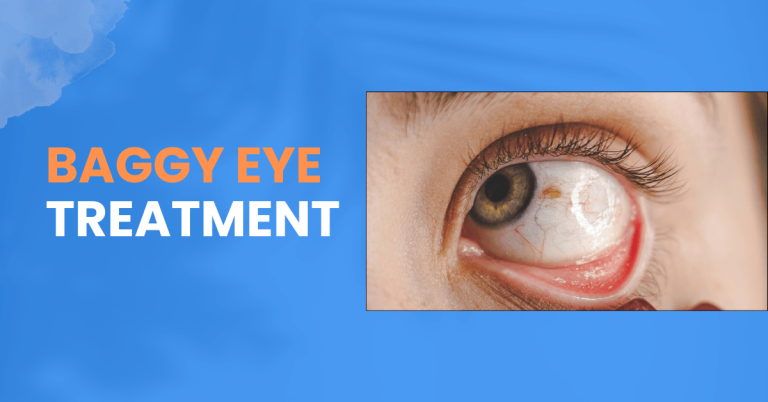
A stye on the lower eyelid can cause pain, redness, and swelling. It often looks like a small pimple near the eyelashes or inside the eyelid.
The right stye lower eyelid treatment can reduce discomfort and support healing. Most styes improve with simple care, but some need treatment from an eye doctor.
What Is a Stye on the Lower Eyelid?
A stye is a small, painful lump that forms on the eyelid. The medical name for a stye is hordeolum. It often develops when a small oil gland or an eyelash follicle becomes infected.
A lower eyelid stye may appear along the outer edge of the eyelid. It can also form deeper inside the lower eyelid. The area is often red, tender, and swollen. Some styes develop a small yellow or white point as pus collects inside.
Most styes are not serious and often improve on their own. However, the pain and swelling can make blinking uncomfortable. The right care can help reduce symptoms and allow the affected area to heal.
What Causes a Stye on the Lower Eyelid?
A stye often develops when bacteria infect a gland or hair follicle in the eyelid. The bacteria can enter the area after a person touches or rubs the eyes with unwashed hands.
The eyelids contain small glands that produce oil. This oil helps protect the surface of the eyes. When a gland becomes blocked and infected, a painful lump may develop.
Poor eyelid hygiene may increase the risk of a stye. Using old eye makeup, sleeping without removing makeup, or handling contact lenses with unclean hands may also increase the chance of infection.
Some people get styes more often because they have long-term eyelid inflammation. Conditions such as blepharitis may cause repeated problems with the eyelid glands.
What Does a Lower Eyelid Stye Look Like?
A lower eyelid stye often looks like a red or swollen bump. It may appear close to the eyelashes or on the inner side of the eyelid.
The lump is usually painful or tender when touched. The lower eyelid may become swollen, and the eye may water more than usual. Some people also feel as if something is inside the eye.
A small yellow or white spot may appear in the center of an external stye. This can happen when pus collects inside the infected area. The stye may later open and drain on its own.
Not every eyelid lump is a stye. A chalazion can also cause a lump in the eyelid. However, a chalazion is often less painful and usually develops because of a blocked oil gland rather than an active infection.
Common Symptoms of a Lower Eyelid Stye
Symptoms often begin in a small area of the lower eyelid. The first sign may be tenderness or pain before a clear lump appears.
The eyelid may become red and swollen. Blinking can feel uncomfortable, and the eye may produce more tears. Some people also notice crusting around the eyelashes.
A stye usually affects a small part of the eyelid. If the whole eyelid becomes very swollen or redness spreads around the eye, medical care may be needed.
What Is the Best Stye Lower Eyelid Treatment?
The best stye lower eyelid treatment often starts with simple home care. Most small styes do not need a complex medical procedure and may heal naturally.
A warm compress is one of the most common treatments. Keeping the eyelid clean and avoiding pressure on the stye are also important.
If the stye does not improve, becomes very painful, or causes spreading redness, an eye doctor may recommend further treatment.
Warm Compress for a Lower Eyelid Stye
A warm compress can help ease pain and support natural drainage. The warmth may help the blocked gland open and allow the stye to heal.
Use a clean washcloth soaked in comfortably warm water. Close the eye and place the cloth gently over the affected lower eyelid for about 5 to 10 minutes. The cloth may need to be warmed again if it becomes cool.
This can be repeated several times during the day. The compress should feel warm but not hot enough to burn the sensitive eyelid skin.
How Does a Warm Compress Help a Stye?
The eyelid contains small oil glands. When a gland becomes blocked, oil and infected material may collect inside. Warmth can help soften the material and support natural drainage.
A warm compress may also reduce discomfort and make the eyelid feel less tight. However, the stye should still be allowed to open naturally.
Never Squeeze or Pop a Lower Eyelid Stye
Do not squeeze, pierce, or try to pop a stye. Pressing the lump can push infected material into nearby eyelid tissue and may make the problem worse.
Even if the stye looks like a pimple, it should not be treated like one. The eyelids and eyes are sensitive areas. An eye Specialist should handle any drainage procedure that becomes necessary.
How to Keep the Lower Eyelid Clean
Gentle eyelid care is an important part of stye lower eyelid treatment. Clean hands before touching the eye area. This can reduce the chance of adding more bacteria to the affected eyelid.
Avoid rubbing the eye, even if it feels itchy or uncomfortable. Rubbing can increase irritation and may spread bacteria to other areas.
If there is crusting around the eyelashes, clean the area gently. Do not scrub the stye or use strong soaps close to the eye.
Use a clean towel and washcloth. Avoid sharing these items with other people while the eyelid is healing.
Should You Stop Wearing Eye Makeup?
It is best to avoid eye makeup while a lower eyelid stye is healing. Mascara, eyeliner, and other cosmetics may irritate the affected area.
Makeup tools and products may also carry bacteria. Using them during an active stye may slow healing or cause the problem to return.
Old or expired eye makeup should be replaced. Brushes and reusable tools should be cleaned properly before they are used again.
Wait until the eyelid has healed before returning to your normal eye makeup routine.
Can You Wear Contact Lenses With a Stye?
Contact lenses should usually be avoided while a stye is active. Wearing lenses may increase irritation and discomfort.
Handling contact lenses also requires touching the eye area. This can increase the risk of spreading bacteria if hand hygiene is poor.
Glasses can be used until the stye has healed. If you are unsure when to start wearing contact lenses again, ask an eye care professional for advice.
Medicine for a Lower Eyelid Stye
Most small styes improve without prescription medicine. Warm compresses and gentle eyelid care are often enough.
However, some styes do not improve or may develop a more serious infection. In these cases, a doctor may recommend medicine.
Antibiotic Treatment for a Stye
A healthcare professional may prescribe an antibiotic eye ointment or another suitable medicine in selected cases. This may be considered when infection continues or there are other signs that need treatment.
Oral antibiotics may be needed if infection spreads beyond the small stye and affects nearby eyelid tissue. This decision should be made by a doctor after examining the eye.
Antibiotics are not needed for every stye. Patients should not use old eye medicine or someone else’s prescription. The wrong treatment may irritate the eye or delay proper care.
Can I Use Over-the-Counter Eye Drops?
Ordinary eye drops do not always treat the cause of a stye. Lubricating drops may sometimes reduce general eye discomfort, but they do not remove an infected eyelid lump.
Avoid using random antibiotic or steroid eye drops without medical advice. Steroid medicines can cause problems when used for the wrong eye condition.
If you are unsure which product is safe, speak with an eye doctor or pharmacist before putting medicine into the eye.
When Does a Stye Need Drainage?
Most lower eyelid styes do not need a drainage procedure. They often open and heal naturally after regular warm compresses.
However, a stye that does not go away may need treatment from an eye doctor. The doctor may make a small opening to drain the infected material and reduce pressure.
This should only be done by a trained medical professional. Trying to drain a stye at home can spread infection and damage the eyelid.
How Long Does a Lower Eyelid Stye Last?
Many styes begin to improve within several days. Some may take one or two weeks to fully settle.
The healing time depends on the size and location of the stye. It may also depend on whether the patient has blepharitis or another eyelid problem.
Regular warm compresses and good eyelid care may support healing. However, a stye that becomes worse or does not start improving should be checked by an eye doctor.
Lower Eyelid Stye vs. Chalazion
A stye and a chalazion can both cause an eyelid lump, but they are not exactly the same condition.
A stye is usually painful, red, and tender. It often appears suddenly near the edge of the eyelid or inside the eyelid.
A chalazion often develops more slowly and may not be painful. It usually happens when an oil gland becomes blocked. A stye can sometimes leave behind a firm lump that later behaves more like a chalazion.
A medical examination can help if you are not sure what type of eyelid lump you have.
Can a Lower Eyelid Stye Spread?
Most styes remain in one small area and heal without serious problems. However, infection can sometimes spread into the surrounding eyelid tissue.
Increasing redness, severe swelling, worsening pain, or fever may be signs that the problem needs medical attention.
A person should not squeeze a stye because this may increase the risk of spreading infection. Good hand hygiene and gentle eyelid care are also important.
Why Do I Keep Getting Styes?
Repeated styes may happen for several reasons. Some people have ongoing inflammation along the eyelid edges, known as blepharitis.
Blocked oil glands may also increase the risk. Poor makeup hygiene, touching the eyes often, and using old cosmetics can contribute to repeated problems.
People who wear contact lenses should always wash their hands before handling the lenses. The lenses and storage case should also be cleaned as advised.
If styes keep returning, an eye doctor can examine the eyelids and check for an underlying problem.
How to Help Prevent Another Lower Eyelid Stye
Good eyelid and hand hygiene may reduce the risk of future styes. Wash your hands before touching the eyes or handling contact lenses.
Remove eye makeup before sleeping. Avoid using expired cosmetics and do not share makeup with other people.
Try not to rub the eyes. If you have a long-term eyelid condition, follow the treatment plan given by your eye doctor.
People with repeated styes may need a regular eyelid care routine. The right routine depends on the cause of the problem.
Can Home Remedies Cure a Lower Eyelid Stye?
A warm compress is the main home care method often recommended for a stye. However, many other home remedies found online are not proven to help.
Avoid placing garlic, toothpaste, essential oils, tea leaves, or other irritating substances on the eyelid. These products can cause irritation and may damage the eye.
Do not use very hot objects or heat directly on the skin. The eyelids are thin and can burn easily.
Simple and safe care is usually better than trying many home remedies at the same time.
When Should You See an Eye Doctor?
See an eye doctor if the stye is not improving, keeps returning, or becomes very painful. Medical advice is also important if swelling affects most of the eyelid.
Seek prompt care if you develop vision changes, severe eye pain, fever, or redness that spreads around the eye. Difficulty moving the eye or severe swelling also needs urgent assessment.
A doctor can check whether the lump is truly a stye or another eyelid condition. This is especially important when a lump remains for a long time.
Is a Lower Eyelid Stye Serious?
Most lower eyelid styes are not serious. They often heal with time, warm compresses, and good eyelid hygiene.
The main problems are usually pain, swelling, and discomfort. However, a stye should be checked if symptoms become severe or infection appears to spread.
Repeated eyelid lumps also need medical review. The doctor may need to check for blepharitis, blocked eyelid glands, or another cause.
Final Thoughts on Stye Lower Eyelid Treatment
The right stye lower eyelid treatment often starts with a warm compress and gentle eyelid care. Most small styes improve naturally without a medical procedure.
Do not squeeze or pop the lump. Avoid eye makeup and contact lenses until the eyelid has healed. Keep your hands clean and avoid rubbing the affected eye.
Some patients may need antibiotic treatment or drainage by an eye doctor. This is more likely when the stye does not improve, becomes severe, or causes spreading infection.
If you have strong pain, vision changes, severe swelling, or repeated styes, arrange an eye examination. A proper diagnosis can help you receive the right treatment and protect your eye health.
Frequently Asked Questions About Stye Lower Eyelid Treatment
1. What is the fastest way to treat a stye on the lower eyelid?
A warm compress is one of the main ways to support healing. Place a clean, warm washcloth over the closed eye for about 5 to 10 minutes several times a day. Do not squeeze or pop the stye. Keep the eyelid clean and avoid makeup or contact lenses until the area has healed.
2. How long does a stye on the lower eyelid take to heal?
Many lower eyelid styes begin to improve within a few days and may clear within one or two weeks. The healing time can vary based on the size and location of the stye. If the lump does not improve, becomes larger, or causes severe pain, an eye doctor should examine it.
3. Can I pop a stye on my lower eyelid?
No. You should not pop, squeeze, or pierce a lower eyelid stye. Doing this can spread infection into nearby tissue and make swelling worse. A warm compress can support natural drainage. If the stye does not heal, an eye doctor can decide whether a medical drainage procedure is needed.
4. Do I need antibiotics for a lower eyelid stye?
Most small styes do not need antibiotics and may heal with warm compresses and good eyelid care. A doctor may prescribe antibiotic treatment in selected cases, especially when infection continues or spreads. Do not use leftover antibiotic eye drops or ointments without medical advice.
5. When should I worry about a lower eyelid stye?
You should seek medical care if the stye causes severe pain, affects vision, keeps getting worse, or does not improve. Prompt care is also important if redness spreads around the eye, the whole eyelid becomes very swollen, or you develop fever or trouble moving the eye.