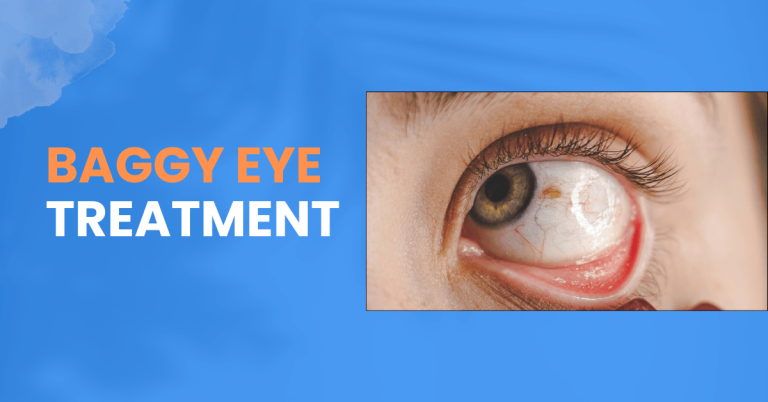
Eyelid eczema can make the skin around the eyes dry, itchy, red, swollen, and uncomfortable. The skin may also become flaky, cracked, or sore. Because eyelid skin is very thin and sensitive, even a mild reaction can cause clear symptoms.
The right eyelid eczema treatment depends on the cause and severity of the condition. Some cases happen due to atopic eczema. Others develop after contact with makeup, skin care products, soaps, eye drops, hair products, or other triggers.
Treatment often includes avoiding triggers, using gentle skin care, keeping the skin moisturized, and controlling inflammation. Some people may also need prescription treatment from a doctor. Since the affected skin is close to the eyes, strong creams should not be used without medical advice.
What Is Eyelid Eczema?
Eyelid eczema is a type of skin inflammation that affects the upper eyelids, lower eyelids, or skin around the eyes. It can affect one eye or both eyes at the same time. Symptoms may appear suddenly or develop slowly over several days.
The condition often causes itching, dryness, redness, and scaling. On darker skin tones, the affected area may look darker, purple, grey, or different from the surrounding skin. Repeated rubbing may also make the skin thicker over time.
Eyelid eczema is not always one single condition. Atopic dermatitis, allergic contact dermatitis, and irritant contact dermatitis can all affect the eyelid area. Finding the exact cause is important because each type may need a different treatment plan.
What Causes Eczema on the Eyelids?
Many factors can cause or worsen eyelid eczema. The skin around the eyes is thinner than skin on most other parts of the body. This makes it more likely to react to products, allergens, and environmental changes.
A trigger does not always need to be applied directly to the eyelids. Products on the fingers, hair, or nails can reach the eye area through touch. Shampoo, hair dye, sprays, and airborne allergens may also affect the eyelids.
Atopic Eczema
Atopic eczema, also called atopic dermatitis, is a common long-term skin condition. It can affect many parts of the body, including the eyelids and the skin around the eyes.
People with atopic eczema often have a weak skin barrier. This makes it harder for the skin to hold moisture and protect itself from irritants. As a result, the skin becomes dry, itchy, and inflamed more easily.
Symptoms may come and go. Dry weather, heat, stress, fragrances, harsh products, and other personal triggers may cause a flare. Treatment aims to calm the skin and reduce future problems.
Allergic Contact Eczema
Allergic contact eczema happens when the immune system reacts to a substance. Common triggers may include makeup, eye creams, sunscreen, fragrances, preservatives, hair dye, nail products, metals, eye drops, and contact lens products.
A person can develop an allergy even after using the same product for months or years without a problem. This can make the cause difficult to find.
The allergen may also reach the eyelids from the hands. For example, ingredients in nail polish or artificial nail products may cause a reaction after a person touches or rubs the eyes.
Irritant Contact Eczema
Irritant contact eczema happens when something directly irritates or damages the skin barrier. It does not involve an allergic immune response.
Strong cleansers, soaps, detergents, dust, chemicals, sweat, and repeated washing may irritate the eyelids. Rubbing or scratching can also make the skin more inflamed.
People who already have dry or sensitive skin may develop this problem more easily. Removing the irritant is often an important part of treatment.
What Are the Symptoms of Eyelid Eczema?
Symptoms can be mild, moderate, or severe. They may affect only a small part of the eyelid or spread around both eyes.
Common signs include dry skin, itching, redness, swelling, scaling, burning, and stinging. The skin may also feel tight or rough. In some cases, small cracks may appear.
Repeated scratching can damage the skin and increase the risk of infection. Long-term inflammation may also cause the eyelid skin to become thicker or change in color.
Some other eye conditions can cause similar symptoms. Blepharitis, eye infections, and other forms of dermatitis may look like eczema. A medical examination can help confirm the cause.
How Is Eyelid Eczema Diagnosed?
Diagnosis usually starts with an examination of the eyelids and the skin around the eyes. A doctor may ask when the symptoms began, how often they return, and whether any new products were used before the flare.
It is helpful to mention all products used on the face, hair, hands, and nails. Eye makeup, skin care products, shampoo, hair dye, nail polish, eye drops, and contact lens solutions may all be relevant.
Skin and Medical History
The doctor may ask about a personal or family history of eczema or other allergic conditions. They may also check whether the rash affects other parts of the body.
The location and pattern of the rash can provide useful information. However, the cause is not always clear from appearance alone.
Patch Testing for Possible Allergies
Patch testing may be recommended when allergic contact eczema is suspected. Small amounts of common allergens are placed on the skin, usually on the back. The area is then checked for a delayed reaction.
This test can help find ingredients or substances that cause repeated flares. Once the trigger is known, avoiding it can become an important part of long-term care.
What Is the Best Eyelid Eczema Treatment?
The best eyelid eczema treatment depends on the cause. Most treatment plans focus on calming inflammation, protecting the skin barrier, and avoiding substances that make symptoms worse.
Mild eczema may improve with gentle skin care and regular moisturizing. Stronger or repeated symptoms may need prescription medicine.
Treatment near the eyes requires extra care. The eyelid skin is thin, and some medicines that are suitable for other parts of the body may not be safe for long-term use around the eyes.
Avoid Known and Possible Triggers
Finding and avoiding triggers is one of the most important steps. If symptoms started after using a new makeup product, eye cream, cleanser, sunscreen, or hair product, stop using it until the cause is clear.
During a flare, it may help to keep the skin care routine simple. Avoid eye makeup, fragranced products, essential oils, and strong active ingredients around the eyes.
Once the skin improves, products can sometimes be added back one at a time. This may help identify which product causes the problem. If eczema keeps returning, a dermatologist may suggest patch testing.
Use Gentle Skin Care
Wash the face with lukewarm water instead of hot water. Use a gentle, fragrance-free cleanser if needed. Avoid scrubbing the eyelids with a towel, cotton pad, or facial brush.
After washing, gently pat the skin dry. Do not rub it. Repeated rubbing can damage the skin barrier and increase itching and inflammation.
Try not to scratch the eyelids, even when they feel very itchy. Scratching can break the skin and make the condition harder to control.
Moisturizers for Eyelid Eczema
Moisturizers, also called emollients, can help protect dry eyelid skin. They reduce water loss and support the natural skin barrier. Regular use may also help reduce dryness and cracking.
A simple, fragrance-free product is usually preferred. Ointments can provide strong moisture for very dry skin, but the right product depends on the individual. Some people may find certain creams irritating.
Apply a small amount gently to the affected skin. Avoid getting the product directly into the eyes. Stop using it if it causes strong burning, swelling, or a worse rash.
How Often Should You Moisturize the Eyelids?
The right amount depends on how dry the skin is. Some people may need to moisturize more than once a day, especially during a flare.
A doctor or dermatologist can suggest a suitable product and routine. If another medicated cream is also being used, ask how much time should be left between the moisturizer and the medicine.
Medical Treatment for Eyelid Eczema
Some cases do not improve enough with skin care and trigger avoidance. A doctor may then prescribe medicine to reduce inflammation and control the symptoms.
The choice of medicine depends on the type of eczema, the severity of the flare, the patient’s age, and how often the condition returns.
Mild Topical Steroid Treatment
A doctor may prescribe a mild topical corticosteroid for a short time. This medicine can help reduce itching, redness, and inflammation during an eczema flare.
Steroids should be used with extra care on the eyelids. The skin in this area is very thin and can absorb medicine more easily than thicker skin.
Strong steroids or long-term use around the eyes may increase the risk of side effects. For this reason, patients should follow the exact instructions given by their doctor.
Why Steroid Creams Need Careful Use
Using too much steroid medicine or using it for too long can thin the skin. Prolonged or unsuitable use near the eyes may also raise concerns about eye problems in some patients.
Do not use a steroid cream that was prescribed for another part of the body on the eyelids. A medicine that is safe for the arms or legs may be too strong for the eye area.
If a steroid is prescribed, use only the amount and treatment period recommended by the doctor.
Non-Steroid Prescription Treatments
Non-steroid topical medicines may be used for some patients with eyelid eczema. These treatments can help reduce inflammation without causing the same skin-thinning risk linked to long-term steroid use.
They may be useful when eczema returns often or affects sensitive areas such as the eyelids. Some people may feel temporary burning or stinging when they first start treatment.
Not every medicine is suitable for every patient. A dermatologist or eye specialist can choose a treatment based on the type of eczema and the condition of the skin.
Home Care for Eyelid Eczema
Home care can support medical treatment and may help control mild symptoms. The main goal is to reduce irritation and protect the skin.
A cool, clean compress may help ease itching and discomfort. Do not place ice directly on the eyelid skin, as extreme cold may cause more irritation.
Keep towels, pillowcases, and makeup tools clean. Avoid sharing eye makeup or towels with other people. Old or expired eye cosmetics should be replaced.
Good sleep and stress control may also help people who notice that tiredness or stress makes their eczema worse. However, lifestyle changes alone may not be enough to control moderate or severe eczema.
What Should You Avoid During an Eczema Flare?
During a flare, avoid anything that may further irritate the skin. Eye makeup, fragranced creams, harsh cleansers, facial scrubs, and strong cosmetic products can make symptoms worse.
Be careful with retinoids, acids, essential oils, and other active skin care ingredients near the eyelids. Even products that are safe for the rest of the face may irritate this sensitive area.
Do not rub or scratch the eyes. Also, avoid trying several new products at the same time. This can make it harder to find the cause of the reaction.
Can Eyelid Eczema Be Treated Naturally?
Many people search for natural eyelid eczema treatment, but natural does not always mean safe. Essential oils, plant extracts, and homemade mixtures can cause irritation or allergic reactions.
Simple skin care is often safer than using many natural products. Avoiding triggers, using a suitable moisturizer, and protecting the skin barrier may help mild cases.
Home remedies should not replace medical care when symptoms are severe, painful, infected, or affecting the eyes. Products should never be placed inside the eye unless they are made for eye use.
How Long Does Eyelid Eczema Take to Heal?
The healing time depends on the cause and severity of the eczema. Mild irritation may begin to improve within a few days after the trigger is removed.
A stronger flare may take longer to settle. Allergic contact eczema may continue if the person is still exposed to the allergen without knowing it.
Atopic eczema is often a long-term condition. Symptoms can improve and then return. The goal of treatment is to control flares, keep the skin healthy, and reduce how often symptoms come back.
Why Does Eyelid Eczema Keep Coming Back?
Eyelid eczema may return when the trigger is still present. The cause may be hidden in a product used on the face, hair, hands, or nails.
People with atopic eczema may also have repeated flares because their skin barrier is naturally more sensitive. Weather changes, dry air, heat, stress, and irritating products may play a role.
A simple daily skin care routine can help. If the problem keeps returning, medical review and possible allergy testing may be useful.
When Should You See a Doctor?
See a doctor if eyelid eczema is severe, keeps returning, or does not improve with gentle care. Medical advice is also important if the rash becomes painful, crusted, or starts to leak fluid.
Seek prompt care if you have changes in vision, eye pain, severe swelling, strong light sensitivity, fever, or trouble opening the eye. These symptoms may suggest another problem or an infection.
People with long-term eczema around the eyes should also have the condition checked when eye symptoms develop. Some eye problems need treatment to protect vision.
Can Eyelid Eczema Be Prevented?
Not every flare can be prevented. However, avoiding known triggers and using gentle skin care may reduce the risk.
Choose simple, fragrance-free products when possible. Wash your hands before touching your eyes and avoid rubbing the eyelids.
Remove eye makeup gently and do not use old cosmetics. If one product causes a reaction, stop using it and check the ingredients.
Keeping a record of products used before each flare may also help find patterns. This can be useful when the cause is not clear.
Final Thoughts on Eyelid Eczema Treatment
The right eyelid eczema treatment starts with finding the cause. Atopic eczema, allergic reactions, and direct skin irritation can all affect the eyelids.
Many mild cases improve with trigger avoidance, gentle skin care, and regular moisturizing. Prescription medicine may be needed when the symptoms are stronger or keep returning.
Strong creams should not be used around the eyes without medical advice. The eyelid skin is thin, sensitive, and close to the eye itself.
If symptoms continue, return often, or affect the eyes, speak with a qualified doctor. A correct diagnosis can help you find the right treatment and reduce future flares.
Frequently Asked Questions About Eyelid Eczema Treatment
1. What is the best treatment for eczema on the eyelids?
The best treatment depends on the cause and severity. Mild cases may improve by avoiding triggers, washing gently, and using a fragrance-free moisturizer. A doctor may prescribe a mild topical steroid for a short time or a non-steroid medicine. Because eyelid skin is very thin, medical advice is important before using medicated creams near the eyes.
2. What cream is safe for eyelid eczema?
A simple fragrance-free moisturizer may help dry and irritated eyelid skin. For active inflammation, a doctor may recommend a suitable prescription cream or ointment. Strong steroid creams should not be used on the eyelids without medical advice. The safest choice depends on the patient’s age, the type of eczema, and how severe the symptoms are.
3. How can I calm eyelid eczema at home?
Stop using possible triggers such as eye makeup, fragranced creams, and new skin care products. Wash the area gently with lukewarm water and avoid rubbing or scratching. A suitable moisturizer and a cool, clean compress may help with dryness and discomfort. See a doctor if the symptoms are severe, painful, or do not improve.
4. How long does eyelid eczema take to go away?
Mild eyelid eczema may start to improve within several days after the trigger is removed and the skin receives proper care. Stronger flares may take longer. Atopic eczema can return over time, while allergic eczema may continue if the trigger is still present. Repeated symptoms may need a medical check or allergy testing.
5. Why does my eyelid eczema keep coming back?
Eyelid eczema often returns because the trigger has not been found or fully avoided. Makeup, skin care products, shampoo, hair dye, eye drops, and nail products can all cause repeated reactions. Atopic eczema can also cause ongoing flares. A dermatologist may recommend patch testing when the cause remains unclear.