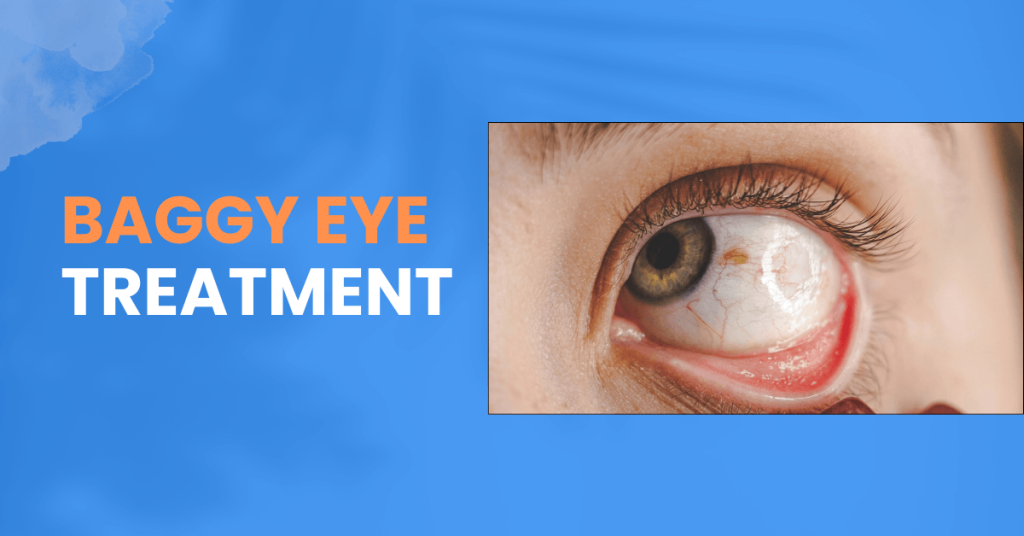
Baggy eyes can change the way your face looks. They often make you look tired, older, or worried, even when you feel well. Many people notice under eye bags as they get older. Others develop them at a younger age because of their family history. The good news is that treatment is available. The right baggy eye treatment depends on what is causing the problem. A proper eye check can help you choose the best option.
Many people try creams or home remedies first. Some get a small improvement for a short time. But if the bags stay for months or years, they often need medical care. Dr. Ashfaque Rahman Khan is an ophthalmologist and oculoplastic specialist who treats eyelid problems with a careful and personal approach. He focuses on finding the real cause before suggesting any treatment.
What Causes Baggy Eyes?
The most common cause of baggy eyelids is aging. As we grow older, the skin becomes thinner and loses its strength. The muscles around the eyes also become weaker. The fat that supports the eye slowly moves forward. This creates visible lower eyelid bags. The skin may also start to sag, making the bags easier to see. These changes happen slowly and are a normal part of getting older.
There are many other puffy eyes causes too. Poor sleep, too much salt, allergies, smoking, and stress can all make the eyes look swollen. Some people have eye bags because it runs in their family. Others notice more swelling after crying or spending long hours in front of a screen. In many cases, more than one cause is involved.
Are Baggy Eyes Just Cosmetic or Could They Signal Something Else?
Most under eye bags are not dangerous. They are usually linked with aging and changes in the eyelid tissues. Many people simply want to look fresher and more awake. Even though the problem is often cosmetic, it can still affect confidence. Feeling unhappy with your appearance is a valid reason to speak with an eye specialist.
Sometimes eye swelling may point to another health problem. Swelling that appears suddenly, becomes painful, or affects only one eye should be checked. Allergies, thyroid disease, kidney problems, or infections can also cause puffiness around the eyes. A full eye examination helps find the real reason. This allows your doctor to recommend the safest treatment.
Home Remedies vs Medical Treatment
Home care can help when the swelling is mild or temporary. Getting enough sleep, drinking water, using a cold compress, and reducing salt may improve the look of your eyes. Treating allergies can also reduce puffiness. These simple steps work well when fluid buildup is the main cause. They are safe and worth trying first.
Home remedies cannot tighten loose skin or remove fat that has moved forward. That is why many people see only a small change. If your eye bags have stayed for a long time, medical treatment may give better results. After a careful examination, Dr. Ashfaque Rahman Khan can explain whether non-surgical care or blepharoplasty for eye bags is the better choice for you.
If you are also worried about droopy eyelids, you may find it helpful to read about ptosis treatment and how it can improve both vision and appearance. Many patients also explore eyelid surgery to understand how different eyelid conditions are treated. If cloudy vision is another concern, learning about phaco surgery for cataracts can help you understand your treatment options.
What Is Blepharoplasty for Eye Bags?
Blepharoplasty for eye bags is a procedure that can reduce loose skin and extra fat around the lower eyelids. It is one of the most common treatments for long-lasting eye bags caused by aging. The goal is not to change how you look. Instead, it helps create a fresher and more natural appearance while keeping your normal facial features.
The procedure is usually done as day surgery, so most patients go home the same day. A small cut is placed in a natural skin fold or inside the lower eyelid. The eye doctor carefully removes or moves extra fat and may tighten loose skin if needed. Local anesthesia is commonly used, so patients stay comfortable during the procedure.
What to Expect During Consultation and Recovery
Your first visit is simple and relaxed. Dr. Ashfaque Rahman Khan will ask about your symptoms, medical history, and what you hope to improve. He will examine your eyelids, eye health, and skin before discussing the available treatment options. Every patient is different, so the treatment plan is always made to match your needs.
If surgery is recommended, you will receive clear instructions before and after the procedure. Mild swelling and bruising are common during the first few days. These improve gradually as the eyelids heal. Many people return to their normal routine within a short time, although complete healing continues over the following weeks.
If your eye bags make you look tired every day or affect your confidence, now is a good time to seek expert advice. Booking a consultation with Dr. Ashfaque Rahman Khan can help you understand what is causing the problem and which treatment is right for you. A professional assessment gives you clear answers instead of guesswork.
Why Choose Dr. Ashfaque Rahman Khan for Baggy Eye Treatment?
Choosing an experienced eye specialist is important when treating the eyelids. Dr. Ashfaque Rahman Khan is trained in ophthalmology and oculoplastic surgery. He understands both the appearance and the function of the eyelids. His goal is to improve the eye area while protecting the health of your eyes.
Every patient receives a detailed examination before any treatment is suggested. Dr. Ashfaque Rahman Khan believes in honest advice and realistic expectations. He explains every option in simple language and answers your questions with care. Whether you need simple treatment or surgery, you can expect a plan made just for you.
Can baggy eyes go away without surgery?
Some eye bags improve with better sleep, allergy treatment, and healthy habits. However, bags caused by aging and loose eyelid tissue usually do not disappear on their own. A specialist can help you decide if medical treatment is needed.
Is eye bag treatment painful?
Most treatments cause only mild discomfort. If surgery is performed, local anesthesia is usually used to keep you comfortable. Mild soreness after the procedure is normal and often improves within a few days.
How long does recovery take after eye bag surgery?
Recovery is different for everyone. Swelling and bruising often improve during the first one to two weeks. The eyelids continue to heal over the next several weeks, and the final result becomes more noticeable with time.
At what age should I consider baggy eye treatment?
There is no perfect age for treatment. Some people notice under eye bags in their thirties because of genetics, while others develop them later with age. The best time depends on your symptoms and your doctor’s assessment.
Is baggy eye treatment covered by insurance in Bangladesh?
Insurance coverage depends on your provider and the reason for treatment. Cosmetic procedures are often not covered. If the treatment is medically necessary, some insurance plans may offer coverage. It is best to check with your insurance company before making a decision.
If you are looking for safe and professional baggy eye treatment in Bangladesh, schedule a consultation with Dr. Ashfaque Rahman Khan. A proper eye examination can help identify the cause of your under eye bags and guide you toward the treatment that best suits your needs.