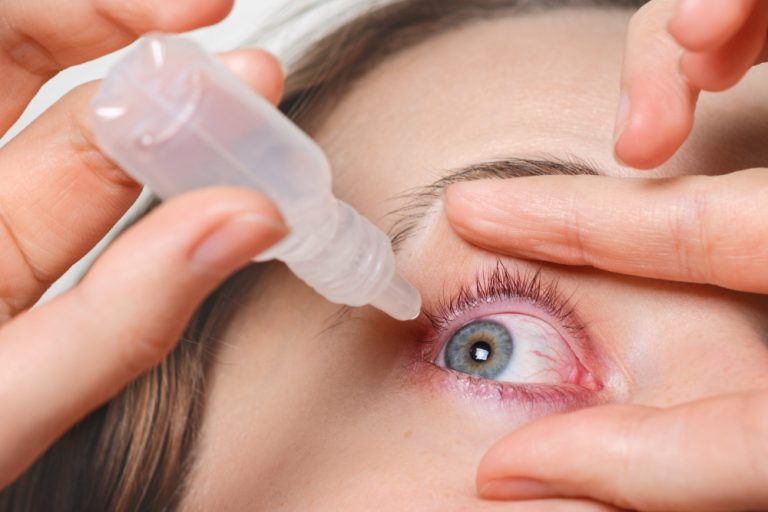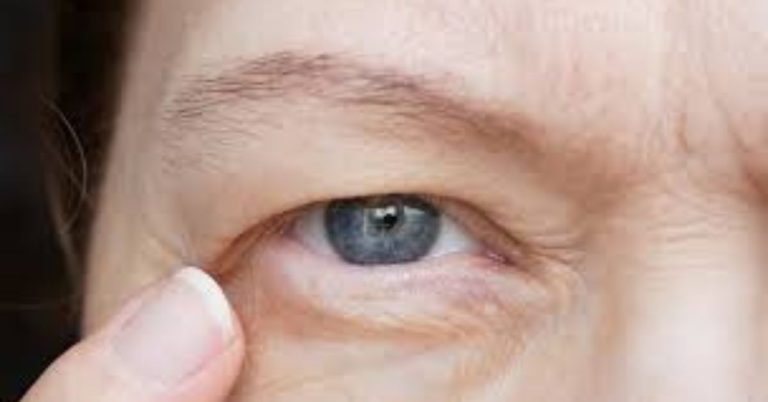
Ptosis is a condition where the upper eyelid drops lower than its normal position. It may affect one eye or both eyes. Some people have mild drooping that only changes their appearance. Others have severe ptosis that covers part of the pupil and affects vision.
Many people want to know if ptosis treatment without surgery is possible. The answer depends on the cause and severity of the droopy eyelid. Some non-surgical treatments may help certain patients. These options may include prescription eye drops, special glasses, and treatment for an underlying health problem.
However, non-surgical treatment does not work for every type of ptosis. A proper eye examination is needed before choosing any treatment. An ophthalmologist can check the cause of the eyelid drooping and suggest the most suitable option.
What Is Ptosis of the Eyelid?
Ptosis is the medical term for a drooping upper eyelid. The upper eyelid may sit slightly lower than normal or drop enough to cover part of the eye. The condition can be present from birth or develop later in life.
A muscle called the levator muscle helps lift the upper eyelid. When this muscle becomes weak, stretched, or damaged, the eyelid may start to droop. Problems with the nerves that control the eyelid can also lead to ptosis.
The condition can affect people in different ways. A mild case may only cause an uneven appearance. A severe case can block the upper field of vision and make reading, driving, or other daily tasks more difficult.
Is Ptosis Treatment Without Surgery Possible?
Yes, ptosis treatment without surgery may be possible for some patients. The best option depends on why the eyelid is drooping and how severe the condition is. Non-surgical treatment may be more suitable for mild or certain types of acquired ptosis.
For example, prescription eye drops may temporarily raise the upper eyelid in some adults. Special glasses may also help hold the eyelid open. If a muscle or nerve condition causes ptosis, treating that condition may improve the eyelid position.
Non-surgical methods have limits. They may help manage symptoms, but they do not always repair a weak or damaged eyelid muscle. Severe ptosis often needs a different approach, especially when the eyelid blocks vision.
What Causes a Droopy Eyelid?
Understanding the cause is an important part of choosing the right treatment. Ptosis can develop for several reasons, and each type may need a different approach.
Age-Related Changes
Ageing is one of the most common causes of acquired ptosis. As people get older, the tissues that support the upper eyelid can stretch and become weaker. The eyelid may then start to sit lower than before.
This type of ptosis often develops slowly. At first, the change may be difficult to notice. Over time, the eyelid can become heavier and may affect the upper field of vision.
Ptosis Present From Birth
Some children are born with a droopy eyelid. This is called congenital ptosis. It often happens because the muscle that lifts the eyelid did not develop normally.
Non-surgical options are limited for congenital ptosis. Children need regular eye checks because severe drooping can affect normal vision development. If the eyelid blocks the pupil, early treatment may be needed.
Nerve or Muscle Problems
Certain nerve and muscle conditions can cause the upper eyelid to droop. In these cases, the eyelid problem may be a sign of another medical condition.
The amount of drooping may also change during the day. Some people notice that their eyelid becomes lower when they are tired. Treating the main condition may help improve the ptosis.
Eye Injury or Previous Eye Surgery
An injury can damage the muscles, nerves, or tissues that support the eyelid. Ptosis may also develop after some types of eye surgery.
The treatment depends on the exact cause of the damage. Some cases may improve over time, while others may need further treatment.
Best Options for Ptosis Treatment Without Surgery
There is no single non-surgical treatment that works for every patient. The most suitable choice depends on the type of ptosis, the patient’s age, and the strength of the eyelid muscle.
Prescription Eye Drops for Ptosis
Prescription eye drops are one option for some adults with acquired ptosis. Certain eye drops can stimulate a muscle in the upper eyelid and cause the eyelid to rise slightly.
The effect is usually temporary. The drops may need to be used as directed by an eye doctor to maintain the improvement. They may help people with mild acquired ptosis who want to improve the eyelid position without an operation.
These drops do not work for all patients. They may not provide enough improvement when the eyelid drooping is severe or when the main lifting muscle is badly damaged. An eye examination is needed to decide whether this option is suitable.
How Do Ptosis Eye Drops Work?
Some prescription eye drops act on the Müller muscle, which is a small muscle inside the upper eyelid. When this muscle responds, the eyelid may rise by a small amount.
The result can vary from one person to another. Some patients may notice a useful improvement, while others may see little change. The drops should only be used under medical advice because they may not be suitable for everyone.
Ptosis Crutch Glasses
Ptosis crutch glasses are another form of ptosis treatment without surgery. These are special glasses with a small support attached to the frame. The support helps hold the upper eyelid in a higher position.
This option may be useful for people who cannot have surgery or do not want an operation. It can also help patients with certain muscle or nerve conditions.
Ptosis crutch glasses do not repair the eyelid muscle. They provide physical support while the glasses are being worn. Some people may also feel discomfort or dryness if the eyelid is held open for a long time.
Who May Benefit From Ptosis Crutch Glasses?
These glasses may be considered for patients who are not suitable for surgery because of age, health problems, or other reasons. They may also help when the amount of eyelid drooping changes during the day.
The glasses need to fit properly. A poor fit may cause discomfort or fail to hold the eyelid in the correct position.
Treating the Underlying Medical Condition
Sometimes, ptosis is not mainly an eyelid problem. It may happen because of a nerve, muscle, or other medical condition. In these cases, treating the underlying cause is an important part of care.
For example, certain muscle conditions can cause eyelid drooping that becomes worse with tiredness. Medical treatment for the main condition may improve the eyelid position and other symptoms.
A doctor may advise blood tests, imaging, or other checks if a medical cause is suspected. This is why self-treatment is not recommended for a new or unexplained droopy eyelid.
Observation and Regular Eye Checks
Mild ptosis does not always need immediate treatment. If the eyelid does not block vision and there are no signs of another health problem, regular observation may be advised.
An eye doctor can check whether the condition is getting worse. They can also monitor vision, eye movement, and the position of the eyelid.
Observation does not correct ptosis. However, it can be a suitable approach when the condition is mild and stable.
Can Eye Exercises Fix Ptosis?
Many people search for eye exercises as a natural ptosis treatment without surgery. However, there is limited evidence that eye exercises can repair true ptosis caused by a weak, stretched, or damaged levator muscle.
Normal facial and eye movements may help general muscle activity, but they are unlikely to correct a structural problem in the eyelid. Repeatedly raising the eyebrows or forcing the eyes open does not repair damaged eyelid tissue.
People should be careful with online claims about exercises that promise to cure ptosis. A proper diagnosis is more important because the cause of the drooping determines which treatment may work.
Can Home Remedies Treat a Droopy Eyelid?
Home remedies cannot usually correct true eyelid ptosis. Cold compresses may reduce temporary swelling around the eyes, but they do not strengthen or repair the main eyelid lifting muscle.
Getting enough sleep may improve the appearance of tired eyes. It may also reduce puffiness. However, it will not normally fix ptosis caused by ageing, muscle weakness, nerve damage, or a structural eyelid problem.
Natural oils, creams, and massage are also often promoted as treatments for droopy eyelids. There is not enough evidence that these methods can raise an eyelid affected by true ptosis. Some products may also irritate the eyes.
When Does Ptosis Need Medical Treatment?
Medical treatment should be considered when the eyelid drooping affects vision, causes discomfort, or gets worse over time. Children with ptosis should also have an eye examination because the condition may affect normal visual development.
A sudden droopy eyelid needs urgent medical attention. This is especially important if it appears with double vision, severe headache, weakness, eye pain, or a change in pupil size.
These symptoms may be linked to a nerve or other medical problem. Quick assessment can help find the cause and guide the right treatment.
When Is Non-Surgical Treatment Not Enough?
Non-surgical options may not provide enough improvement when the eyelid drooping is severe. They may also be less effective when the levator muscle is very weak or the eyelid tissue has become badly stretched.
If the upper eyelid covers the pupil and blocks vision, a more direct treatment may be needed. The same may apply when ptosis causes a child to develop an abnormal head position or creates a risk of lazy eye.
An ophthalmologist can explain whether non-surgical treatment is likely to help. If it is not suitable, other treatment options can be discussed based on the patient’s needs.
How Is the Right Non-Surgical Ptosis Treatment Chosen?
The first step is a complete eye and eyelid examination. The doctor will check the height of the eyelid, the strength of the lifting muscle, eye movement, vision, and the health of the eye surface.
The doctor may also ask when the ptosis started and whether it changes during the day. A sudden change may need more tests than a condition that has developed slowly over many years.
After finding the cause, the doctor can explain whether eye drops, special glasses, medical treatment, or regular observation may help. This personal approach is important because the same treatment does not work for every type of ptosis.
Benefits of Ptosis Treatment Without Surgery
The main benefit of non-surgical treatment is that it does not require an operation. There are no surgical cuts, and recovery time is usually not needed.
Some treatments can also be stopped or changed if they do not provide the expected result. This gives certain patients more flexibility.
However, the benefits depend on the cause and severity of the condition. Non-surgical options may provide only temporary or limited improvement. Patients should have clear expectations before starting treatment.
Final Thoughts on Ptosis Treatment Without Surgery
Ptosis treatment without surgery is possible for some people, but the results depend on the type and cause of the droopy eyelid. Prescription eye drops may help selected adults with acquired ptosis. Ptosis crutch glasses can support the eyelid, while medical treatment may help when another health condition causes the problem.
Eye exercises and home remedies are not proven to repair a weak or damaged eyelid muscle. Mild cases may only need regular eye checks, while severe cases may require other treatment.
The most important step is getting the right diagnosis. An ophthalmologist can examine the eyelid, find the cause, and explain which non-surgical options may be suitable.
Frequently Asked Questions About Ptosis Treatment Without Surgery
1. Can ptosis be treated without surgery?
Yes, some types of ptosis can be managed without surgery. Prescription eye drops may temporarily lift the upper eyelid in selected adults with acquired ptosis. Special glasses can also support the eyelid. If another medical condition causes the drooping, treating that condition may help. However, severe ptosis or major muscle weakness may not improve enough with non-surgical treatment.
2. Do eye drops work for ptosis?
Certain prescription eye drops may help some adults with acquired ptosis. They work by stimulating a small muscle in the upper eyelid, which may raise the eyelid slightly. The effect is usually temporary and may vary between patients. These drops do not work for every type of ptosis, so an eye doctor should first check whether they are suitable.
3. Can eye exercises cure a droopy eyelid?
There is limited evidence that eye exercises can cure true ptosis. Exercises cannot usually repair a stretched, weak, or damaged eyelid lifting muscle. They may help normal facial movement, but they are unlikely to raise an eyelid affected by structural ptosis. A proper eye examination can identify the real cause of the drooping.
4. Can ptosis go away naturally?
Some temporary eyelid drooping may improve when the cause is treated or resolves. However, ptosis caused by ageing, a weak eyelid muscle, or damaged tissue usually does not disappear on its own. The chance of improvement depends on the cause. Regular eye checks can help track any changes and guide treatment.
5. What is the best non-surgical treatment for ptosis?
The best ptosis treatment without surgery depends on the cause and severity of the condition. Prescription eye drops may help selected adults, while ptosis crutch glasses may help support the eyelid. Medical treatment may be needed when a nerve or muscle condition causes the drooping. An ophthalmologist can recommend the right option after a full eye examination.