Chemo often fights cancer well. Still, it sometimes brings changes elsewhere – like in vision or how eyes feel. A few people wonder if their iris shade might shift during therapy
Eye color usually stays the same during chemotherapy. Still, some cancer therapies might affect how the eyes look, though this happens very seldom. Spotting such shifts early helps people decide if they need a doctor’s opinion. Knowing what to watch for makes a difference.
Can Chemotherapy Change Eye Color?
Chemotherapy rarely alters eye color for real. The iris pigment usually stays untouched by most cancer drugs. Not every treatment touches the hue you see when someone looks at you.
Still, a few people might see shifts in how their eyes look while going through therapy. Most times, these shifts fade over time. They usually tie back to side impacts from chemo, not because the colored part of the eye actually changed shade.
Should your eyes shift color fast or in a big way, reach out to a doctor or eye specialist without delay. A new hue might need checking by someone trained to spot what’s off.
What Determines Eye Color?
Most often, how much melanin sits in the iris shapes eye shade. A higher level usually means brown tones show up clearly instead. When pigment runs low, shades like blue or green begin appearing quietly nearby. Distribution matters just as much as total quantity overall there.
Most of the time, genes decide what color eyes you have – so big shifts later in life hardly ever happen.
Why Might the Eyes Look Different During Chemotherapy?
Although chemotherapy itself rarely changes eye color, several factors may alter the appearance of the eyes.
Dry Eyes
Some people getting chemotherapy notice their eyes feel drier. This happens because tears aren’t made as much. When moisture drops, the surface of the eye might look less bright. Irritation can show up too. Changes are often subtle. The way the eyes seem could shift a little without warning.
Eye Inflammation
Some drugs might trigger swelling within the eye. When that happens, light can bounce off the iris differently – making it seem like the eyes shifted shades.
Changes in the White Part of the Eye
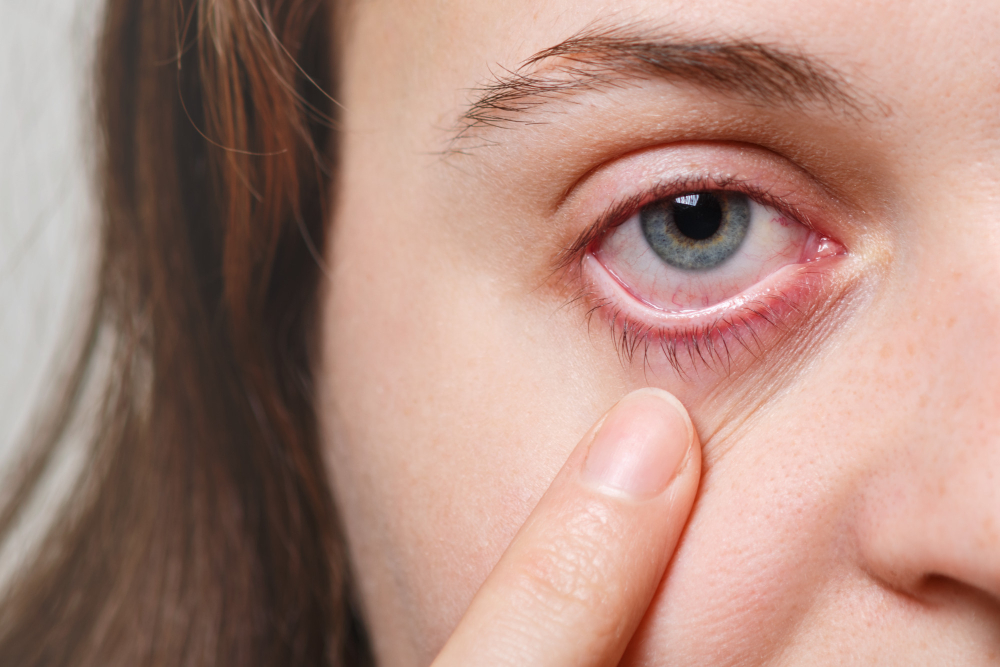
Redness might show up after certain treatments, affecting the eye’s white area. Because of this change, the colored ring around the pupil could seem more intense – sometimes even shifting how light it looks. Yellow tones may also emerge, altering the overall appearance in subtle ways.
Lighting and Pupil Size
Some days, tiredness might shift how big your pupils look. Medicines play a role too, especially when combined with shifts in general well-being. When pupils change, the view of the iris adjusts along with them. Light hits differently then, which means eyes could seem another shade than before.
Can Any Cancer Treatments Cause Eye Pigment Changes?
Eye color shifts hardly ever happen with regular chemo meds, yet certain treatments across medical fields can affect eye pigments. Usually it’s tied to distinct types of drugs, not cancer-fighting agents broadly.
When eye symptoms shift in strange ways, talking it through with the cancer care providers makes sense. Not every plan works the same, so speaking up helps.
Other Eye Side Effects of Chemotherapy
Cancer treatment can sometimes affect eye comfort and vision.
Blurred Vision
Not every person sees things the same way once therapy begins. A shift in how clearly they view the world might show up at first. This does not last long for most. Vision often settles back into its usual rhythm after a while.
Dry Eye Syndrome
Some people feel a sharp sting when their eyes do not make enough tears. Dryness can bring on discomfort that feels like sand under the lid. A rough, scratchy sense might show up with low moisture levels.
More Sensitive to Light
Lights that shine too hard can feel off for certain people.
Excessive Tearing
Oddly enough, a lack of moisture might actually spark extra watering.
Eye Infections
When immunity drops, eye infections can become more likely.
When Should You See an Eye Doctor?
Changes in vision should never be ignored.
You should contact your doctor if you experience:
- Sudden vision loss
- Persistent blurred vision
- Eye pain
- Significant redness
- Flashes of light or new floaters
- Noticeable and unexplained changes in eye color
Prompt evaluation can help identify the cause and determine whether treatment is necessary.
Protecting Your Eye Health During Chemotherapy
Eye comfort matters when someone is receiving cancer care. A doctor might suggest certain eye drops to ease dry feelings. Bright daylight could bother the eyes more than usual – shades offer relief. Should sight shift in any way, a checkup makes sense soon after. Keeping an eye on eye health fits into overall wellness during therapy.
Can Eye Color Changes Be Permanent?
Changes in eye color that stick around after chemo hardly ever happen.
Most times, uneven looks in the eyes while healing come from short-term issues like swelling, lack of moisture, or how drugs are working.
When the look of your iris shifts for good, it might signal something deeper going on inside. Eye checks become key under those circumstances because various health issues can show up there first. Changes that stick around deserve attention – no guessing needed.
Conclusion
Most times, chemotherapy won’t shift eye shade. The real hue of the iris tends to stay untouched by cancer drugs. Yet a few people see a subtle difference – perhaps from dry eyes, swelling, or how light hits them after treatment begins. Changes might show up indirectly, not because pigment shifts, but through surface effects like irritation or glare.
Eye color shifting out of nowhere? That’s a sign something needs checking. Vision acting strange mid-chemo? Better get it looked at. Discomfort sticking around longer than expected? Don’t wait too long. A specialist who knows eyes can step in. They’ll go through what’s happening. Keeping your sight safe matters just as much as the main treatment.
Frequently Asked Questions
Can chemotherapy permanently change eye color?
Eye color shifts due to chemo hardly ever stick around. Nearly every case noted so far fades over time – or ties back to something else entirely.
What makes your eyes change while going through cancer therapy?
Something like dryness might change how eyes look. Inflammation can shift their appearance too. Medicines sometimes play a role. Health shifts often do as well.
Should I worry about sudden eye color changes?
Eye color shifting out of nowhere? That kind of shift needs a checkup. A provider can figure out what’s going on.
Can chemotherapy affect vision?
Blurred vision shows up now and then while people are going through treatment. Dry eyes tag along for some, without warning. Light sensitivity creeps in at odd times, too.
When should I see an ophthalmologist during chemotherapy?
If vision fades, get help fast. Eye pain that won’t stop means it’s time to go. Redness that stands out? That matters. When the look of your eyes shifts, someone trained should see it.