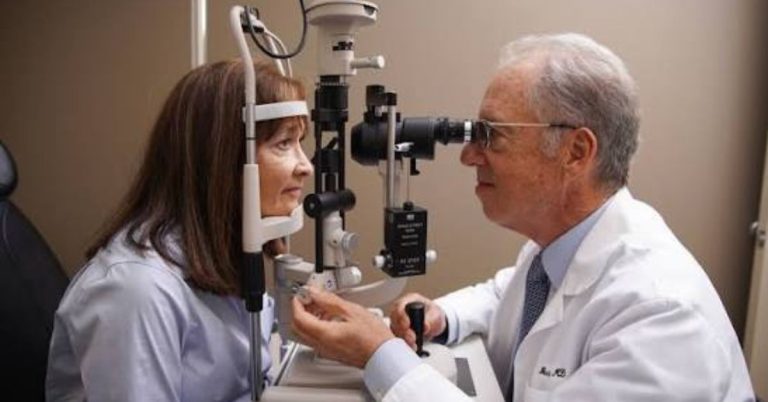
Eye alignment issues, sometimes called crossed eyes, show up in kids and grown-ups alike. Trouble seeing clearly, tired eyes, or feeling self-conscious might follow along. When a doctor suggests an operation, picking who does it becomes key – maybe the biggest part of the whole process.
Most people wonder what matters most in picking a doctor for eye alignment surgery. It is not just about who works closest to where you live. One thing that counts: how much practice they have had doing these procedures. Another factor shows up during your talk – how clearly they explain things. What stands out sometimes is whether they listen closely to your concerns. Good results often follow when skill meets attention tailored to you.
Why Choosing the Right Strabismus Surgeon Matters
Eye muscle correction needs steady hands and sharp attention. How well it works comes down to spotting details first, choosing the right moves next, then following through exactly. Outcomes rise when each step fits just right.
A good surgeon might just make things feel clearer from start to finish. Someone who knows their way around the procedure could also take your worries seriously – handling them one at a time. Confidence often grows when you’re in steady hands. The right background means they’ve seen situations like yours before. Trust builds slowly, especially if questions get real answers. Experience tends to show up in how calmly decisions are made. You may notice it in small moments – the way advice is given, or how pauses are used.
Look for Specialized Training and Experience
One of the first things to consider is the surgeon’s background and experience in treating strabismus.
Strabismus Case Experience
Is your eye doctor experienced with strabismus cases? Those doing many such treatments usually understand various types of misalignment well.
Treatment Across Age Groups
Eye misalignment shows up in people of all ages. Though some doctors work mostly with kids, a few handle grown-ups too – especially those dealing with tricky control issues in how their eyes move.
Handling Complicated Situations
Eye surgery before? Or maybe a tricky case of crossed eyes? A doctor who has handled things like yours could make a difference. Someone familiar might just understand better.
Evaluate the Thoroughness of the Initial Consultation
A detailed consultation is an important part of the decision-making process.
Comprehensive Eye Examination
Finding how well eyes line up comes first in checking misalignment. Vision checks follow close behind during the exam. Movement of each eye gets studied just after that.
Treatment Options Discussion
Some people do not need an operation right away. If symptoms are mild, a doctor might suggest lenses, special optical aids, vision routines, or simply watching how things change over time.
Because every situation differs, a surgeon ought to clarify the reasons behind suggesting an operation. What matters here is understanding how it fits your particular condition.
Clear Answers to Questions
Questions about how it works, healing time, what happens after – those are fine to bring up. It’s okay to wonder out loud.
Ask About Surgical Goals
Understanding the goals of surgery is essential.
Improved Eye Alignment
Most times the goal centers on adjusting how the eyes sit.
Less Seeing Two Images
Adults might find their blurry vision lessens following surgery. Clearer eyesight shows up now and then after fixing how the eyes line up.
Better Binocular Function
Some folks see their eyes work together a bit better. With time, judging distance might change quietly. The weaker eye sometimes follows along more naturally. Results differ – no promises – but shifts happen for a few. Over weeks, what you see can seem less jumbled.
Enhanced Confidence
When the eyes look straight, self-image tends to rise along with social ease. Confidence shifts quietly into motion once alignment shows. Glances meet differently now, less guarded perhaps. Others respond before speech begins, guided by what silence reveals.
Consider Communication and Patient Education
A strong doctor-patient relationship can make the treatment journey smoother.
Easy-to-Understand Explanations
Clear words work better when doctors explain things. A patient understands more without confusing jargon standing in the way. Simple talk builds trust much faster than textbook phrases ever could. What matters most shows up in how plainly ideas land. Heavy terminology often hides behind clarity instead of helping it.
Honest Expectations
Most operations come with no promises. Yet an honest doctor will talk through what might go right – also where things could fall short.
Willingness to Listen
What matters to you deserves attention every step of the way during consultations.
Review the Surgical Facility
The quality of the healthcare facility also matters.
Modern Equipment
Some hospitals, along with certain eye clinics, use modern tools that help spot problems faster. These places often map out care more smoothly because of upgraded machines.
Qualified Medical Team
Experienced nurses and support staff contribute to patient comfort and safety.
Follow Up Care Access
Checking in after surgery helps track healing. A follow-up visit gives a clear picture of progress. These moments allow adjustments if needed. Recovery unfolds step by step through consistent checkups.
Understand the Risks and Recovery Process
Every surgery carries potential risks.
Now here’s a truth – any surgeon worth their license talks through what might go wrong. Things like fixing too little, going too far, catching an infection, or ending up back in surgery show up in that chat. Straight talk before the scalpel ever touches skin.
How long it takes to heal might shape how someone gets ready – inside and out – for the road ahead.
Ask About Follow-Up Care
Fixing crossed eyes might still need care even when the operation is done.
Postoperative Monitoring
Healing progress shows up clearly when checkups happen on schedule. Eye positioning gets checked each time the specialist takes a look.
Additional Treatments
Even following surgery, a few people might need eyeglasses, prism lenses, or visual training.
Long-Term Management
As kids move through different stages of life, checks along the way could be necessary. Growing brings changes that sometimes require attention over time.
After surgery, knowing what comes next matters just as much as grasping the operation details.
Consider Patient Reviews and Recommendations
Though you might look at more than just feedback from patients, reading what others say can show how people felt about their visits.
Ask your doctor or eye specialist for suggestions – someone you know well might have a name worth remembering. One person’s needs differ from another’s, which means talking one on one still matters most.
Evaluate Your Comfort Level
Trust your instincts during the consultation.
Ask yourself the following questions:
- Did the surgeon answer my questions clearly?
- Did I feel respected and heard?
- Was the treatment plan explained in a way I understood?
- Do I feel comfortable moving forward with this specialist?
Feeling confident in your healthcare team is an important part of the process.
Choosing a Strabismus Surgeon in Bangladesh
Eye specialists who know how to spot misaligned eyes are the ones patients need when looking into strabismus care. While not every doctor handles these cases well, some have spent years fine-tuning their approach. A steady hand matters, yet judgment counts just as much behind each decision. Those who’ve seen many such conditions often adjust treatments more thoughtfully. Seeing straight isn’t always quick, though proper guidance makes paths clearer.
Eye health is looked at closely by Dr. Ashfaaque Rahman Khan, who handles a range of vision issues. Because every person shows different symptoms, their plan might shift slightly – this depends on what the exam reveals during a visit.
A patient might find clearer choices about eye care when working with someone well trained. Decisions around treatments often become less confusing in those cases.
Questions to Ask During Your Consultation
Preparing questions before your appointment can be helpful.
- How many strabismus surgeries do you perform each year?
- What type of strabismus do I have?
- Are there non-surgical treatment options available?
- What results can I realistically expect?
- What is the recovery process like?
- Will I need additional treatment after surgery?
The answers to these questions can provide valuable insight into the surgeon’s approach and expertise.
Conclusion
Start by thinking about how much practice someone has had. A person who talks clearly matters just as much. Look into whether they check everything carefully before moving forward. Follow-up visits need to fit your life without hassle. Experience shows up in small moments during appointments. Clear answers come from doctors who listen first. Details get noticed when time is taken. Care after surgery plays a big role later on.
A good surgeon listens first, then talks through choices while building a plan that fits you. Credentials matter – yet so does how clear and at ease you feel along the way.
Eye alignment often gets better when a specialist with solid experience handles the surgery. Success can boost how clearly someone sees each day. A steady hand might just bring sharper vision and more comfort over time.
Frequently Asked Questions
What type of doctor performs strabismus surgery?
Most times, a doctor who specializes in eye care handles strabismus surgery. This person has worked often with problems tied to eye movement. Their background includes treating muscles that control how the eyes align.
Is strabismus surgery only for children?
Eye alignment issues aren’t just for kids – grown-ups gain from corrective surgery too. Some changes happen slowly; others come later in life. Treatment helps even when symptoms appear past childhood.
Can strabismus return after surgery?
Sometimes, more care later helps keep the eyes straight. A follow-up procedure could come up if things shift over time. Not every path stays fixed without another look down the line.
Should I get a second opinion before surgery?
Some people find comfort in hearing another doctor’s view before moving forward. It might just give you clearer peace of mind around your care path.
How do I know if a surgeon is right for me?
A different person might prefer someone with steady hands, yet comfort matters just as much. Communication flows better when explanations make sense without confusion getting in the way. The right fit often shows up through small moments, not grand promises. Feeling at ease can quietly shape how decisions unfold over time.