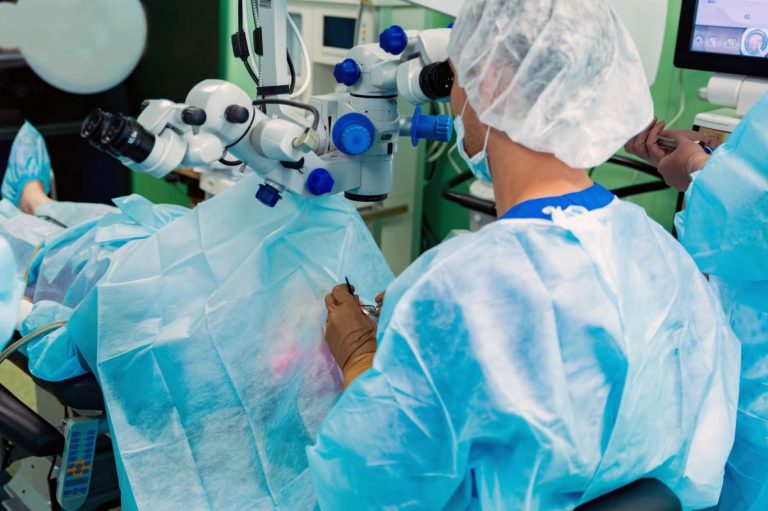
Blurry lenses inside the eye often lead to poor eyesight across the globe. This cloudiness blocks clear vision over time. Medical advances now allow better outcomes with fewer risks. A common method doctors choose involves softening the lens before removal.
Should you be curious about phaco surgery, here’s a clear breakdown of how it works, why some choose it, what happens during healing, along with details on what people usually experience leading up to and following the intervention.
What Is Phaco Surgery?
After sound waves loosen the hazy lens, fragments flow out softly. A Phaco Surgery specialist guides tools through a small opening to reach inside. This method, called phacoemulsification, clears cloudiness using vibration. Tiny parts exit before replacement begins.
Once the cloudy lens is taken out, a tiny man-made one goes in its place. This new lens sits right where the old one was. Its job begins immediately – helping light focus properly again. Vision clarity often returns within days. The whole setup works without needing future adjustments.
Fine cuts mean less healing time, which explains why phacoemulsification leads to cataract fixes. Tiny openings come with sharp vision results, making this method stick around. Recovery zips by compared to older ways, thanks to its precise approach. Clear eyesight after the fact? That part works well too.
What Is a Cataract?
Cloudy vision often starts when protein clusters form inside the eye’s lens. As these bits stick together, clarity fades bit by bit.
When cataracts get worse, everyday tasks like reading or spotting someone you know become harder. Driving at night might blur into a challenge without clear warning.
Cloudy Vision Blurry Sight Sensitivity to Light Trouble Seeing at Night Faded Colors Double Vision in One Eye
Common Symptoms of Cataracts
Patients with cataracts may notice:
- Blurred or cloudy vision
- Difficulty seeing at night
- Sensitivity to bright light
- Glare or halos around lights
- Frequent changes in eyeglass prescriptions
- Faded or yellowed colors
- Double vision in one eye
If these symptoms affect your quality of life, an eye examination is recommended.
How Does Phaco Surgery Work?
With phaco surgery, the aim is removing a hazy lens without harming nearby parts of the eye.
Small Incision Technique
A cut so fine it barely appears at the cornea’s outer rim. Thanks to its narrow size, there’s typically no need for stitching.
Breaking the Cataract
Slicing open the skin allows a narrow tool to slide inside. From there, sound vibrations shatter the cloudy lens into tiny pieces.
Removing lens fragments
A thin tube draws the broken lens pieces away from inside the eye. The fragments lift gently, pulled by a soft vacuum stream. Tiny shards shift, carried off through a narrow channel. Removed piece by piece, they slide into the collection. Each section leaves without force, guided by steady suction.
Artificial Lens Insertion
A clear artificial lens goes in right where the eye’s original lens used to sit after removal of the cloudy cataract.
Who Needs Phaco Surgery?
Phaco surgery is recommended for individuals whose cataracts are affecting their daily activities.
Difficulty Reading
Maybe it’s cataracts if the print looks blurry even with glasses on pages, newsprint, or phones. Does reading feel hard? Vision stays foggy through lenses? Could be clouding in your eyes slowing things down. Sharpness fades where light hits – like screens or morning paper. Glasses help sometimes – but not when haze blocks the view. Foggy sight isn’t always aging; might just need a closer look.
Difficulty Seeing While Driving After Dark
Lights at night often bother folks who have cloudy lenses. Headlights can shine too bright, causing trouble on evening roads.
Lower quality of life
Blurry sight can make daily tasks tough – surgery might come into play once it disrupts routine life. A doctor could suggest an operation when eyesight troubles start weighing on chores, interests, or time with others. Once focusing becomes a struggle at job or play, medical help enters the picture. Seeing poorly? Life adjustments sometimes lead straight to surgical talk. When ordinary moments grow harder due to dimmed vision, treatment options begin appearing.
Frequent Prescription Changes
When new glasses don’t help eyesight, cataracts might be getting worse.
Benefits of Phaco Surgery
Phacoemulsification offers several advantages compared with older cataract surgery techniques.
Faster Recovery
Most patients notice vision improvement within a few days after surgery.
Smaller Incisions
A few small cuts are made during the process – these usually close up fast on their own. Healing happens naturally, no stitching needed most of the time.
Reduced Discomfort
Most people feel just a bit of discomfort while healing from the operation.
Improved Vision
A foggy lens swapped out for a crisp artificial one often brings vision back into focus. What changes is how light travels through the eye once clarity returns. Sharpness steps up when the old layer makes way for something transparent. Seeing fine details becomes possible again after the shift. Clarity arrives quietly, step by steady step.
Short Procedure Time
Most times, phaco surgery lasts around quarter of an hour up to half an hour. Though it can shift slightly, that span covers nearly every case seen so far.
Steps Before Phaco Surgery?
Getting ready the right way makes a difference in how things turn out. When you take time beforehand, what follows tends to go more smoothly than expected.
Comprehensive Eye Examination
From up close, the eye doctor checks how thick the cataract looks while also scanning the rest of your vision system. A careful look inside helps spot any hidden shifts that might affect clarity down the road.
Lens Measurements
Besides standard exams, specific procedures help find the right strength for the implanted eye lens.
Medical History Review
Expect questions on medicine use, past reactions to drugs, plus existing issues that might complicate the operation.
Preoperative Instructions
Depending on your situation, you might get details about eating, taking medicine, or applying doctor-recommended eye drops.
What to Expect During Phaco Surgery
Understanding the surgical process can help reduce anxiety.
Anesthesia
Eye drops that numb the area often help ease discomfort during the process.
Cataract Removal
A small tool breaks up the hazy lens during surgery. This method lets the doctor clear it away gently. The process happens through a tiny opening. Sound waves help dissolve the old lens slowly.
Lens Implantation
A tiny cut lets the man-made lens slide into place within the eyeball. Positioning follows right after insertion, guided by steady hands.
Recovery Room
Most people sit quietly for a short while after the procedure. Then they go back to their homes hours later.
Recovery After Phaco Surgery
Recovery is often smooth, especially when postoperative instructions are followed carefully.
First 24 Hours
Redness might show up, sometimes along with watery eyes or trouble handling bright lights.
Eye Drops
Eye drops given by a doctor can stop infections before they start. Inflammation often lessens when these medicated liquids are used properly.
Activity Guidelines
Resting the eyes matters most after treatment. Heavy lifting slows recovery, so it is best skipped at first. Physical strain can interfere, which means tough workouts wait. Rubbing the eye area creates risk – better to keep hands away.
Follow-Up Visits
Healing moves along better when progress gets checked now and then by the surgeon.
Some people get back to their usual routine quickly – just a handful of days pass. A short stretch, then life resumes without much fanfare.
Types of Intraocular Lenses Used in Phaco Surgery
Some patients get lenses made just for how they see. Others receive choices based on what their eyes actually need. Vision goals shape which type works best. Each option fits a different way of viewing the world.
Monofocal Lenses
Most people get these glasses to see things that are far away. Vision stays sharp only at that range. Close-up details stay blurry.
Multifocal Lenses
Looking through multifocal lenses can make near, middle, and far sights clearer without switching eyewear. These lenses sometimes lessen how often you need extra pairs for different tasks.
Toric Lenses
Fixing blurry vision from irregular corneas happens alongside removing clouded lenses here. This kind of implant handles both issues at once through one procedure.
Depending on your needs, an eye doctor might guide you toward the best choice.
Is Phaco Surgery Safe?
These days, phaco surgery stands out as a highly reliable option when it comes to medical operations. Success rates run high, making it a go-to choice for many doctors. Safety ranks among its strongest points, backed by years of consistent results. Most patients walk away satisfied, thanks to steady advancements over time. Complications show up rarely, which adds to why trust in the procedure runs deep.
Most operations go smoothly, yet a few problems can still show up now and then. Things like redness, discomfort, fluid buildup, or blurry eyesight might happen for a short time after the procedure.
Starting with a skilled eye doctor might lower the chances of problems later. Sticking to care steps after surgery plays a part too.
Why Choose an Experienced Cataract Surgeon?
Finding good results often comes down to how well the surgeon handles the procedure. A steady hand matters more when years of practice shape each move.
Eye care by Dr. Ashfaque Rahman Khan covers a wide range of services, including modern methods for treating cataracts. Because each person’s eyes differ, talking with an expert helps shape the right path forward when thinking about phaco surgery.
Starting with a full talk-through helps people grasp what happens during surgery. One by one, choices for lenses come into view through conversation. Personal advice shows up naturally when details get shared back and forth.
Conclusion
Ultrasound breaks up the hazy lens during phaco surgery, replacing it with a man made one. This method handles cataracts using sound waves instead of older tools.
Most people find their eyes heal quicker when cuts stay tiny. Tiny openings mean less time waiting to feel normal again. Sharp sight often returns not long after surgery ends. Life tends to get easier once blurry vision clears up. Many notice everyday tasks become smoother with better clarity. Clearer eyesight sometimes changes how someone moves through their day.
Starting with a talk to a skilled eye doctor helps figure out if phaco surgery fits your needs.
Frequently Asked Questions
What is phaco surgery used for?
A small tool vibrates inside the eye during phaco surgery to break up cloudy lenses. This clears space so a clean lens can take its place. Vision often becomes sharper afterward. The procedure helps people see better when cataracts blur their eyesight.
Is phaco surgery painful?
Most people feel little discomfort during the process since doctors apply numbing drops first. It doesn’t hurt much once the area goes numb from the medication they place on the surface.
How long does phaco surgery take?
Some steps take just a quarter of an hour, others stretch past it. A few wrap up fast while timing shifts depending on details. Each step moves at its own pace, never rushed yet rarely dragging. Time bends slightly, fitting the task without hurry.
Back to daily routines – how fast is possible?
Some people get back to daily life quickly, yet full recovery can stretch into weeks. A return to normal happens fast for many, but the body finishes mending later.
Will I still need glasses after phaco surgery?
Not every person sees perfectly after surgery – vision depends on the lens chosen plus personal eyesight goals. A few will need eyeglasses anyway, simply because each eye responds differently.