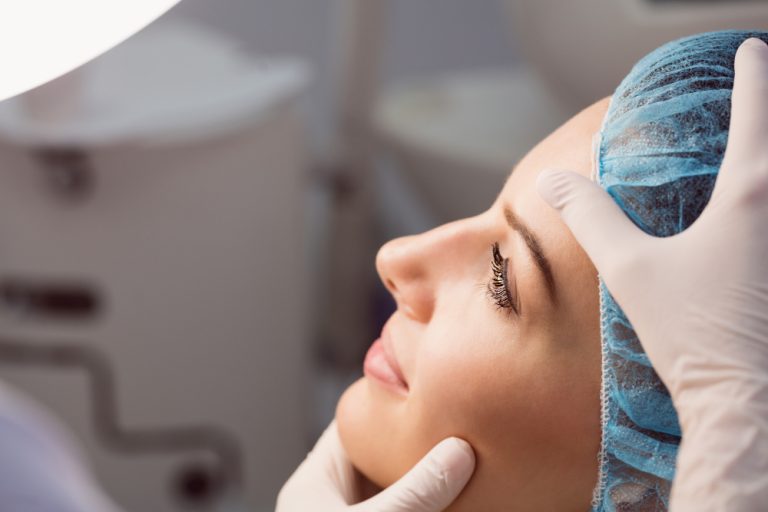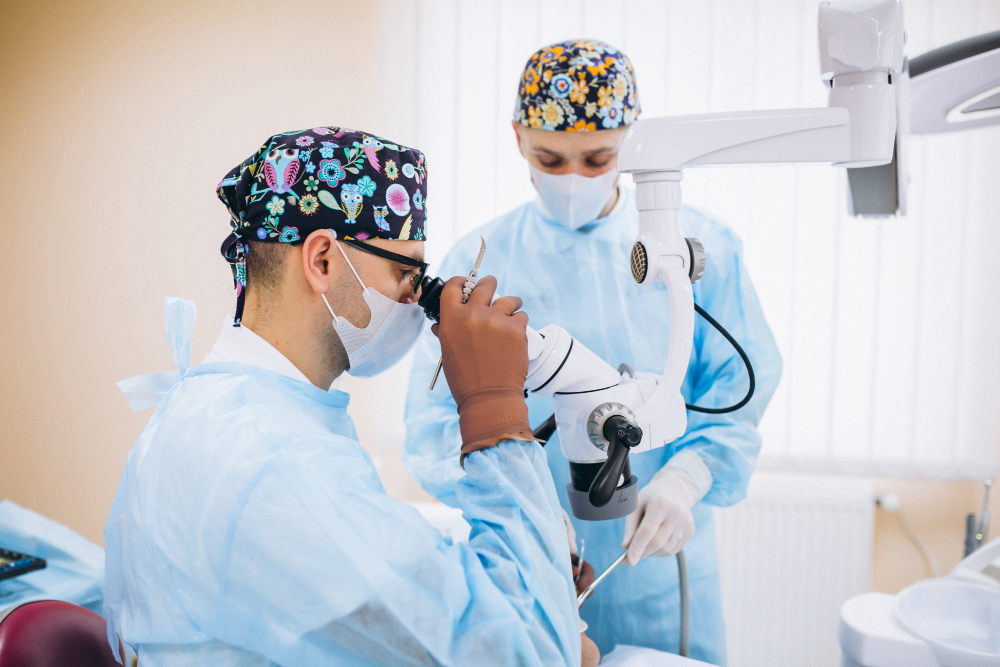
Eye problems do not always affect the eyeball itself. Many people have issues with their eyelids, tear ducts, eye socket, or the skin around the eyes. These problems can affect vision, comfort, and appearance. In such cases, a patient may need to see an oculoplastic specialist.
Many people are not familiar with this type of eye doctor. They often visit a general eye doctor first and then get referred to a specialist. Knowing what an oculoplastic specialist does can help you get the right treatment at the right time. This guide explains what an oculoplastic specialist is, what conditions they treat, and when you should consider visiting one.
What Is an Oculoplastic Specialist? Conditions & Treatments
An oculoplastic specialist is an eye doctor who has extra training in surgery around the eyes. They focus on the eyelids, tear drainage system, eye socket, eyebrows, and nearby facial areas.
These doctors first complete medical training in ophthalmology. Ophthalmology is the branch of medicine that deals with eye care and eye diseases. After this training, they complete additional education in oculoplastic surgery.
An oculoplastic specialist treats both medical and cosmetic problems around the eyes. Their goal is to improve eye function, protect vision, and restore a natural appearance. Because the area around the eyes is very delicate, these specialists have advanced knowledge and skills that help them perform treatment safely.
What Does an Oculoplastic Specialist Do?
An oculoplastic specialist diagnoses and treats many conditions that affect the tissues around the eyes.
Some patients visit because they have droopy eyelids that block vision. Others may have watery eyes, eyelid growths, or eye socket problems. Some people also seek treatment to improve the appearance of the eye area.
These specialists perform detailed examinations to find the cause of a problem. They then create a treatment plan that may include medicine, minor procedures, or surgery. Their work is important because the structures around the eyes play a major role in protecting vision and keeping the eyes healthy.
Conditions Treated by an Oculoplastic Specialist
Droopy Eyelids (Ptosis)
Ptosis is one of the most common conditions treated by an oculoplastic specialist. This condition happens when the upper eyelid hangs lower than normal. In mild cases, it may only affect appearance. In severe cases, it can block part of the vision.
People with ptosis often feel tired because they constantly try to lift their eyelids. Some raise their eyebrows throughout the day to see more clearly. An oculoplastic specialist can assess the condition and recommend treatment. Surgery is often used to lift the eyelid and improve vision.
Eyelid Lumps and Bumps
Small lumps can appear on the eyelids for many reasons. Some are harmless and may go away on their own. Others may need medical attention.
An oculoplastic specialist can examine the lump and determine the cause. If needed, the growth can be removed safely. It is important to have any new or changing eyelid growth checked by a specialist. Early diagnosis can help prevent future problems.
Eyelids That Turn Inward or Outward
The eyelids should rest against the eye in a normal position. Sometimes they turn inward or outward. When the eyelid turns inward, the eyelashes rub against the eye. This can cause redness, pain, and irritation.
When the eyelid turns outward, the eye may become dry and uncomfortable because it is not protected properly. An oculoplastic specialist can correct these problems and restore normal eyelid function.
Blocked Tear Ducts
Tears help keep the eyes moist and healthy. After tears do their job, they drain through small tear ducts. When a tear duct becomes blocked, tears cannot drain properly. As a result, the eyes may water all the time.
Some patients also develop infections because the drainage system is not working correctly. An oculoplastic specialist can diagnose the blockage and provide the right treatment. In some cases, surgery may be needed to create a new drainage pathway.
Eye Socket Problems
The eye socket is the bony area that holds the eye in place. Injuries, infections, tumors, and certain diseases can affect this area. Patients may notice swelling, pain, or changes in eye position. An oculoplastic specialist has special training to diagnose and treat these conditions. Proper treatment can help protect vision and improve comfort.
Thyroid Eye Disease
Thyroid eye disease is linked to thyroid gland problems. This condition can cause bulging eyes, swelling around the eyes, dryness, and double vision. Some people also experience discomfort and changes in appearance. An oculoplastic specialist works with other healthcare providers to manage the condition and improve symptoms.Treatment may involve medicine, surgery, or other specialized care.
Tumors Around the Eyes
Tumors can develop on the eyelids, around the eyes, or inside the eye socket. Not every tumor is cancer. However, every suspicious growth should be examined by a specialist. An oculoplastic specialist can remove tumors while protecting the surrounding tissues. They can also reconstruct the area after surgery if needed.
Cosmetic Treatments Performed by an Oculoplastic Specialist
Oculoplastic specialists also perform cosmetic procedures around the eyes.
Because they understand eye anatomy very well, they can provide treatments with a strong focus on safety and natural results.
Eyelid Surgery
Eyelid surgery is one of the most popular procedures in oculoplastic care. Some people develop loose skin around the eyes as they age. This extra skin can make them look tired and may even affect vision. An oculoplastic specialist can remove excess skin and improve the shape of the eyelids. The result is often a more refreshed appearance and better vision.
Botox and Similar Treatments
Many oculoplastic specialists offer Botox and similar treatments. These treatments help reduce wrinkles around the eyes and forehead. The goal is to create a smoother and younger appearance while keeping facial expressions natural.
Facial Rejuvenation
Some specialists provide additional treatments that improve the appearance of the eye area and nearby facial structures. These procedures can help patients look healthier and more refreshed.
When Should You Visit an Oculoplastic Specialist?
Many people are unsure when they should seek help from an oculoplastic specialist. You may need to see one if you have droopy eyelids, watery eyes, eyelid lumps, eye socket swelling, or thyroid-related eye symptoms. You should also seek medical attention if you notice changes in the appearance of your eyes or have an injury involving the eyelids. Getting treatment early often leads to better results and fewer complications.
What Happens During an Appointment?
During your first visit, the specialist will ask about your symptoms and medical history.
They will carefully examine your eyes, eyelids, tear ducts, and surrounding tissues. Additional tests may be needed depending on the condition.
After the examination, the doctor will explain the diagnosis and discuss treatment options. Most patients leave with a clear understanding of their condition and the next steps.
Benefits of Seeing an Oculoplastic Specialist
One of the biggest benefits of seeing an oculoplastic specialist is their advanced training. These doctors understand both eye health and facial structures. This allows them to treat problems without putting vision at risk.
They are also skilled in delicate surgical procedures around the eyes. Their experience often leads to better functional and cosmetic outcomes. Patients can enjoy improved vision, greater comfort, and a more natural appearance after treatment.
How to Choose the Right Oculoplastic Specialist
Finding the right specialist is an important part of successful treatment. Look for a doctor who has specialized training in oculoplastic surgery and experience treating your condition. You can also read patient reviews and ask about their experience with similar cases.
A good specialist will explain your condition in simple language and answer your questions clearly. Feeling comfortable with your doctor can make the treatment process much easier.
Conclusion
An oculoplastic specialist is a highly trained eye doctor who focuses on the eyelids, tear ducts, eye socket, and surrounding facial areas.
These specialists treat many medical conditions, including droopy eyelids, blocked tear ducts, thyroid eye disease, and eye tumors. They also perform cosmetic procedures that improve the appearance of the eye area.
If you have ongoing problems around your eyes or notice changes that affect your vision or comfort, an oculoplastic specialist can provide expert care. Early diagnosis and treatment can help protect your vision, improve eye function, and enhance your quality of life.
Frequently Asked Questions
1. What is an oculoplastic specialist?
An oculoplastic specialist is an ophthalmologist with extra training in surgery and treatment of the eyelids, tear ducts, eye socket, and surrounding facial areas.
2. When should I see an oculoplastic specialist?
You should see an oculoplastic specialist if you have droopy eyelids, watery eyes, blocked tear ducts, eyelid growths, eye socket problems, or thyroid-related eye conditions.
3. Can an oculoplastic specialist perform cosmetic procedures?
Yes. Oculoplastic specialists perform cosmetic treatments such as eyelid surgery, Botox, and other procedures that improve the appearance of the eye area.
4. Is oculoplastic surgery safe?
Yes. Oculoplastic surgery is generally safe when performed by a qualified specialist. These doctors receive advanced training in surgery around the eyes.
5. Does an oculoplastic specialist treat eye diseases?
An oculoplastic specialist mainly treats conditions affecting the eyelids, tear drainage system, eye socket, and surrounding tissues. They work closely with other eye doctors when needed.