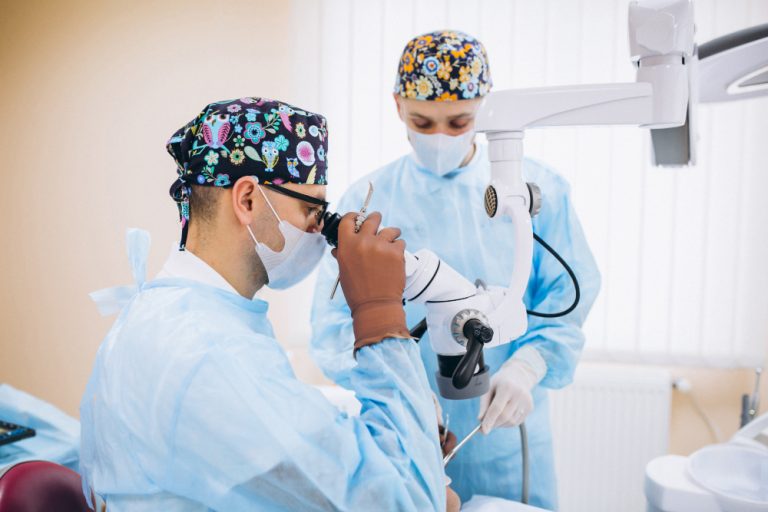
Oculoplastic surgery is a specialized type of surgery that focuses on the eyelids, eye socket, tear drainage system, and the areas around the eyes. Many people consider this surgery to improve their appearance, fix vision problems, or treat medical conditions that affect the eyes.
A common question patients ask is, “Is oculoplastic surgery safe?” The simple answer is yes. Oculoplastic surgery is generally very safe when it is performed by a trained and experienced oculoplastic surgeon. Like any surgery, there are some risks, but serious complications are uncommon.
Understanding the procedure, the benefits, and the possible risks can help you make an informed decision. This guide explains everything you need to know about the safety of oculoplastic surgery.
What Is Oculoplastic Surgery?
Oculoplastic surgery is a branch of ophthalmology that deals with the structures around the eyes. It includes both functional and cosmetic procedures. Functional procedures help improve eye health and vision. Cosmetic procedures improve the appearance of the eyes and face.
Common oculoplastic surgeries include eyelid surgery, ptosis repair, tear duct surgery, orbital surgery, eyelid reconstruction, and the removal of eyelid tumors. These procedures are designed to improve both appearance and eye function while protecting the health of the eyes.
Is Oculoplastic Surgery Safe?
Yes, oculoplastic surgery is considered safe for most patients. Modern surgical techniques, advanced medical equipment, and improved anesthesia methods have made these procedures safer than ever before.
Most surgeries are performed as outpatient procedures. This means patients can usually return home on the same day. The safety of the surgery depends on several factors. These include the patient’s overall health, the type of procedure, and the experience of the surgeon.
When surgery is performed by a qualified oculoplastic specialist, the risk of serious complications is low.
Why People Choose Oculoplastic Surgery
People undergo oculoplastic surgery for many reasons. Some patients have medical conditions that affect their vision or eye comfort. Others want to improve their facial appearance. Drooping eyelids are one of the most common reasons for surgery. In some cases, the eyelids can block part of the visual field and make daily activities difficult.
Some patients need surgery to repair damage caused by injury, infection, tumors, or birth defects. Others choose cosmetic procedures to reduce signs of aging around the eyes. Regardless of the reason, safety remains one of the most important concerns for every patient.
Factors That Make Oculoplastic Surgery Safe
Several factors contribute to the safety of oculoplastic surgery.
Experienced Oculoplastic Surgeons
The surgeon’s training and experience play a major role in surgical safety. Oculoplastic surgeons receive advanced training in both eye care and facial surgery. They have a detailed understanding of the delicate structures around the eyes. This specialized knowledge helps reduce the risk of complications.
Advanced Surgical Techniques
Modern surgical methods are less invasive than older techniques. Smaller incisions, improved instruments, and better surgical planning help improve outcomes. These advancements reduce bleeding, swelling, and recovery time.
Careful Patient Evaluation
Before surgery, the surgeon performs a thorough examination. This includes reviewing medical history, current medications, eye health, and overall health. This assessment helps identify any factors that may increase surgical risk.
Safe Anesthesia Methods
Many oculoplastic procedures are performed using local anesthesia with mild sedation. This approach is generally very safe and allows patients to remain comfortable during surgery. For more complex procedures, general anesthesia may be used when necessary.
Common Risks of Oculoplastic Surgery
Although oculoplastic surgery is safe, every surgical procedure carries some risks. Most complications are minor and temporary. Serious complications are rare.
Swelling and Bruising
Swelling and bruising are normal after surgery. These effects usually improve within a few days or weeks. Applying cold compresses and following post-operative instructions can help reduce discomfort.
Mild Pain or Discomfort
Some patients experience mild pain after surgery. This is usually manageable with prescribed medications or over-the-counter pain relief.
Infection
Infection is uncommon but possible after any surgical procedure. Surgeons take many precautions to prevent infection. Patients can further reduce risk by keeping the surgical area clean and following all care instructions.
Bleeding
Minor bleeding may occur during or after surgery. Significant bleeding is rare, especially when surgery is performed by an experienced specialist.
Dry Eyes
Temporary dry eyes may develop after certain eyelid procedures. This usually improves as healing progresses. Artificial tears are often recommended to keep the eyes comfortable.
Scarring
Small scars may form after surgery. However, surgeons carefully place incisions in natural skin folds whenever possible. In most cases, scars become difficult to notice over time.
Rare Complications of Oculoplastic Surgery
Serious complications are uncommon, but patients should still be aware of them. Rare complications may include severe infection, vision changes, significant bleeding, or problems related to anesthesia.
These complications occur infrequently, especially when surgery is performed by a qualified specialist in a proper medical facility. Patients should discuss all potential risks with their surgeon before undergoing treatment.
Who Is a Good Candidate for Oculoplastic Surgery?
Most healthy adults can safely undergo oculoplastic surgery. Good candidates generally have realistic expectations and understand both the benefits and risks of the procedure.
Patients should inform their surgeon about any medical conditions such as diabetes, high blood pressure, heart disease, or bleeding disorders. Smoking can also affect healing. Patients may be advised to stop smoking before and after surgery to improve safety and recovery.
How to Reduce Risks Before Surgery
Patients can take several steps to help ensure a safe surgical experience. It is important to attend all pre-operative appointments and follow the surgeon’s recommendations. Certain medications and supplements may increase the risk of bleeding. The surgeon may advise stopping these before surgery.
Patients should also arrange transportation for the day of surgery and prepare for a short recovery period at home. Following these recommendations can help reduce complications and improve healing.
What to Expect During Recovery
Recovery after oculoplastic surgery is usually straightforward. Most patients experience mild swelling and bruising during the first week. These symptoms gradually improve over time. Many people can return to light activities within a few days. However, strenuous exercise should be avoided until the surgeon approves it.
Keeping the head elevated while sleeping can help reduce swelling. Follow-up appointments are important because they allow the surgeon to monitor healing and address any concerns.
Signs You Should Contact Your Surgeon
While most patients recover without problems, certain symptoms should be reported immediately. Severe pain, sudden vision changes, excessive bleeding, increasing redness, or signs of infection should never be ignored.
Prompt medical attention can help prevent more serious complications. Patients should always follow the emergency contact instructions provided by their surgical team.
Benefits of Oculoplastic Surgery
The benefits of oculoplastic surgery often go beyond cosmetic improvement.
Many patients experience better vision after correcting drooping eyelids. Others enjoy improved comfort, eye protection, and facial balance. Cosmetic procedures can also help patients feel more confident about their appearance. When performed successfully, oculoplastic surgery can provide long-lasting results and improve overall quality of life.
Choosing the Right Oculoplastic Surgeon
Selecting the right surgeon is one of the most important steps in ensuring a safe procedure. Patients should look for a surgeon with specialized training in oculoplastic surgery and a strong track record of successful outcomes.
Reviewing patient testimonials, before-and-after photos, and professional credentials can help patients make informed decisions. A good surgeon will answer questions openly and explain both the benefits and risks of treatment.
Final Thoughts: Is Oculoplastic Surgery Safe?
So, is oculoplastic surgery safe? In most cases, the answer is yes. Oculoplastic surgery has a strong safety record when performed by a qualified and experienced specialist. While every surgical procedure carries some risk, serious complications are rare. Careful planning, proper patient selection, modern surgical techniques, and expert care all contribute to excellent safety outcomes.
Patients who follow their surgeon’s instructions before and after surgery can further reduce risks and support a smooth recovery. If you are considering treatment around the eyes, speaking with a skilled oculoplastic surgeon is the best way to understand your options and determine whether the procedure is right for you.
Frequently Asked Questions
Is oculoplastic surgery painful?
Most patients experience only mild discomfort. Pain is usually manageable with medication and improves within a few days.
How long does recovery take after oculoplastic surgery?
Most patients recover within one to two weeks. Complete healing may take several weeks or months depending on the procedure.
Can oculoplastic surgery affect vision?
Temporary blurry vision may occur during recovery. Permanent vision problems are very rare when surgery is performed by an experienced specialist.
What is the success rate of oculoplastic surgery?
Oculoplastic surgery generally has a high success rate. Most patients achieve their desired functional or cosmetic results.
How can I make oculoplastic surgery safer?
Choose an experienced oculoplastic surgeon, follow all medical instructions, attend follow-up visits, and report any unusual symptoms immediately.